
Arteta’s Final Step in Arsenal’s 20-Year Redemption
Arsenal fans are once again traveling in anticipation, this time heading to Budapest for the club’s second Champions League final. For many, this journey serves as a potential redemption for the heartbreak experienced twenty years ago in Paris.
The 18-Minute Turning Point
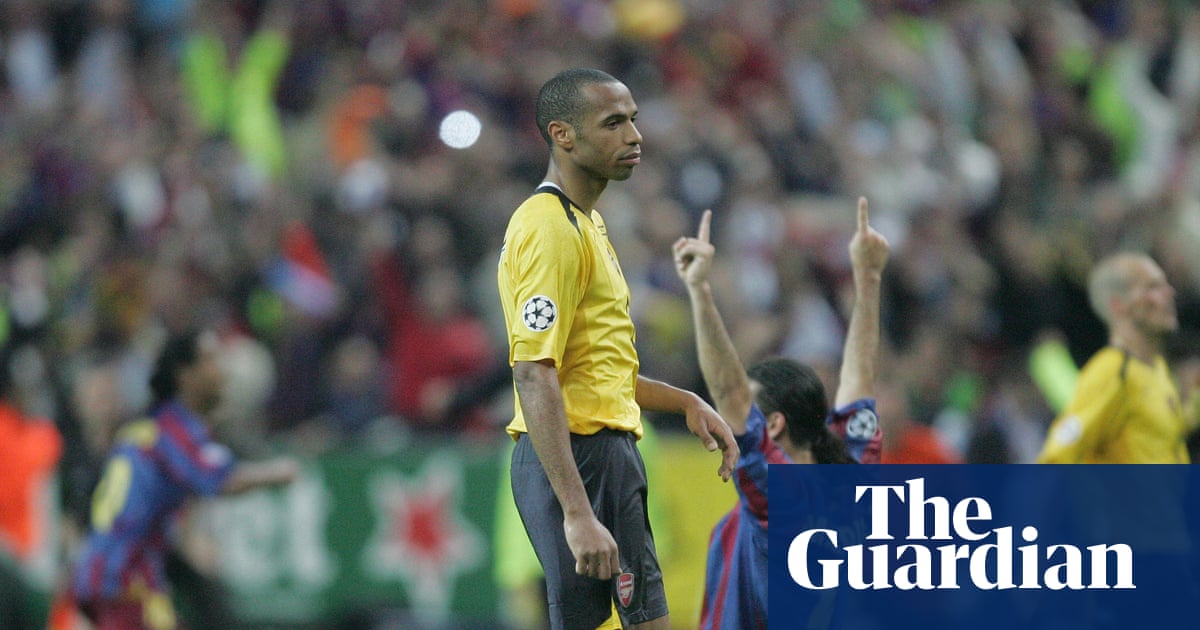
In the 2006 Champions League final against Barcelona at the Stade de France, romantic anticipation lasted only 18 minutes. That was when goalkeeper Jens Lehmann was sent off by referee Terje Hauge.
The decision proved pivotal, as Ludovic Giuly scored from the loose ball following Lehmann’s collision with Samuel Eto’o. While Hauge later apologized to the Arsenal delegation, the red card left the team fighting with ten men.
Despite the setback, Arsenal remained formidable, taking the lead through Sol Campbell. However, Eto’o scored in the 76th minute, and Juliano Belletti secured the winner four minutes later.
The Albatross of the Emirates
The move from Highbury to the Emirates Stadium was intended to allow Arsenal to challenge Manchester United for two decades. However, the transition coincided with a turbo-charged financial era led by Roman Abramovich at Chelsea and later Sheikh Mansour at Manchester City.
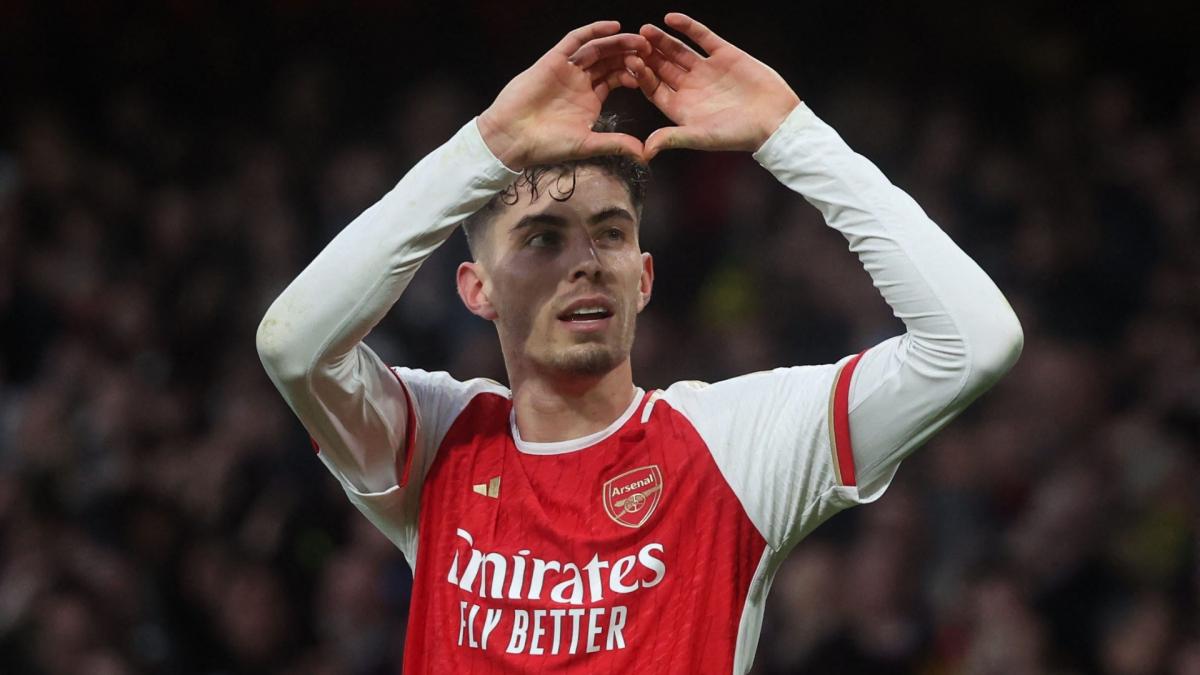
The club faced a “white knuckle ride” financially, burdened by £400m of debt. Former managing director Keith Edelman noted that the board initially lacked a clear plan for funding the project.
To survive, the club secured a £140m 10-year deal with Nike, a £100m 10-year deal with Emirates, and a £120m loan from Barclays. This essentially meant mortgaging future revenues to cover immediate costs.
A Decade of Transition and Loss
Financial constraints led to a period of “begging and borrowing to tread water.” This instability resulted in the loss of key talent, starting with Ashley Cole, who left for Chelsea over a £5,000-a-week contract difference.
The “bleeding” continued as Manchester City signed Kolo Touré, Gaël Clichy, Samir Nasri, and Emmanuel Adebayor. Arsène Wenger also lost Robin van Persie to Manchester United and Cesc Fàbregas to Barcelona.
Internal strife further complicated matters, specifically the acrimonious departure of vice-chair David Dein in 2007. Dein had been fired for attempting to bring US money to the table via Stan Kroenke, though the board later adopted this direction.
The Path to Redemption
The road back to the summit has been long, with Wenger failing to win a trophy between 2005 and 2014. Mikel Arteta provided a critical stepping stone by lifting the FA Cup as captain in 2014.
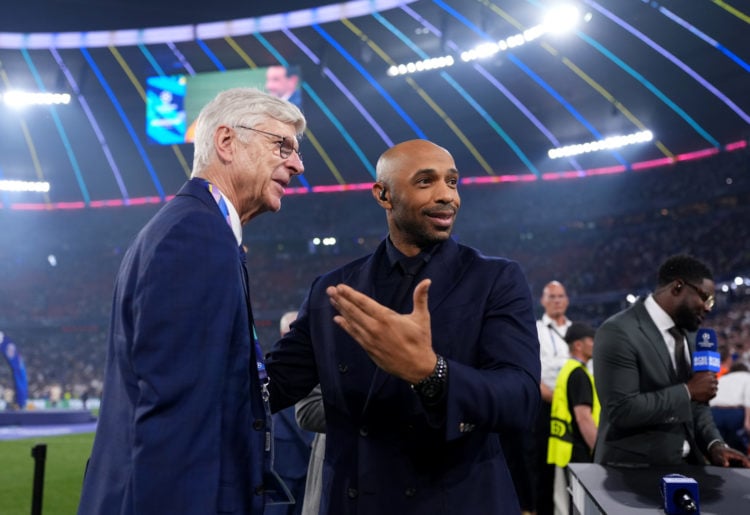
Now, as the club returns to a Champions League final, the narrative has shifted. Under Arteta’s leadership, the club may finally mend the hearts broken in Paris two decades ago.
Given the current trajectory, this final could consolidate Arsenal’s reputation as a global force once more. Success in Budapest could mark the definitive end of the stagnant years that followed the 2006 defeat.
Frequently Asked Questions
What happened to Jens Lehmann in the 2006 final?
He was sent off in the 18th minute following a collision with Samuel Eto’o, a decision that the referee, Terje Hauge, later apologized for.
Why did Arsenal struggle to keep its players during the mid-2000s?
The club was burdened by £400m of debt from the construction of the Emirates Stadium, leaving them unable to compete with the funding levels of clubs like Chelsea and Manchester City.
Who was David Dein and why was he significant?
He was the club’s vice-chair and a key partner to Arsène Wenger in creating the “Invincibles.” He was fired in 2007 after attempting to bring Stan Kroenke’s US investment to the club.
Do you think the move to the Emirates Stadium was worth the subsequent period of sporting decline?