
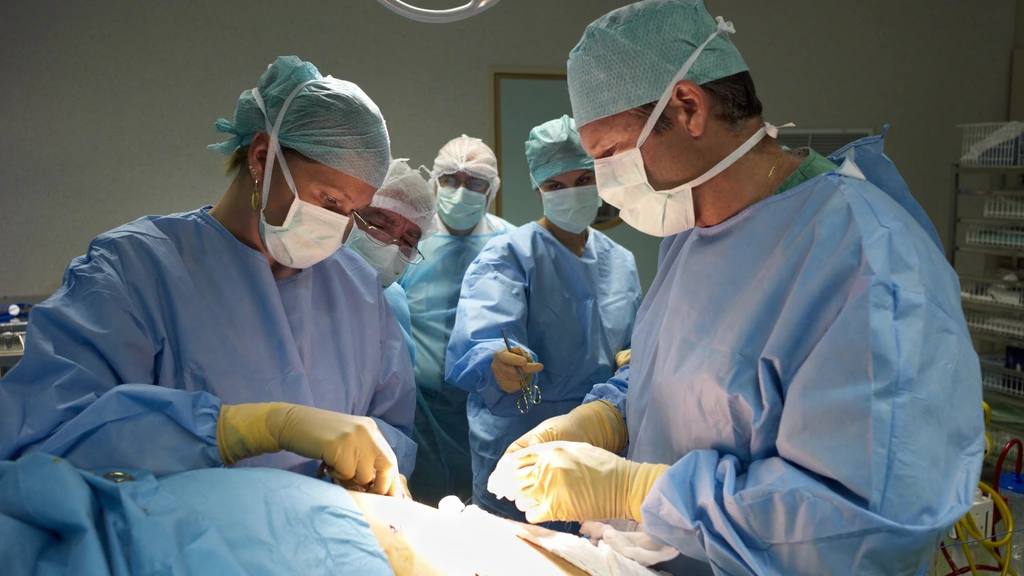
Maagverkleining in Basispakket: Tieners met Obesitas Krijgen Nu Laatste Redmiddel” (Alternative options for variation:) “Obesitas bij Jongeren: Maagverkleining Vergoed als Ultieme Behandeling” “Nederland Vergoedt Maagverkleining voor Ernstig Overgewichtige Tieners
For the first time in Dutch healthcare history, adolescents with severe or extreme obesity now have access to a life-altering treatment option—bariatric surgery—as a last resort. Effective immediately, the procedure will be covered under the standard health insurance package, marking a significant shift in how the country addresses a growing pediatric health crisis.
What Changed?
Beginning today, Dutch teenagers aged 13 to 18 who are nearly fully grown may qualify for weight-loss surgery if they meet strict criteria. To be considered, they must have already completed an intensive program aimed at modifying lifestyle and eating habits—and only if those efforts have failed. The decision follows new long-term studies, including a 2023 pilot involving six children, which demonstrated both physical and psychological improvements post-surgery.
An involved physician noted that beyond weight loss, patients often experienced reduced social isolation, restored self-confidence, and renewed engagement with peers. “They come out of that isolation,” the doctor said, “and they start moving again, interacting with their age group.”
The surgery is now an option for adolescents with a body mass index (BMI) over 40—equivalent to 116 kilograms or more for someone 1.70 metres tall—or those with a BMI between 35 and 40 who also have obesity-related conditions like diabetes or cardiovascular risks. Experts estimate that 10 to 20 adolescents per year will undergo the procedure, out of an annual pool of 100 to 150 candidates who may enter the selection process.
Approximately 500 to 800 Dutch adolescents currently live with severe or extreme obesity, placing them at heightened risk for type 2 diabetes, heart disease, and mental health struggles. The rise in pediatric obesity is stark: Between 1990 and 2024, the percentage of 12- to 17-year-olds with obesity tripled, from 1.4% to 4.1%. By late 2023, pediatricians reported a doubling of waitlists at obesity clinics and a fivefold increase in obesity medication prescriptions.
Laura, the first minor in the Netherlands to undergo the surgery, lost 50 kilograms in two years. In a 2025 interview, she described her pre-surgery experience: “I was a girl with pain inside.”
Why This Matters
The inclusion of bariatric surgery in the standard insurance package signals a critical acknowledgment of the escalating obesity crisis among Dutch youth. For decades, treatment options for pediatric obesity were limited to lifestyle modifications, which often failed to produce lasting results. The new policy could set a precedent for how other countries address extreme childhood obesity, where conventional methods have repeatedly fallen short.
Beyond physical health, the decision addresses the profound psychological toll of obesity in adolescence. Social isolation, low self-esteem, and depression are common among affected youth. Early intervention through surgery may not only improve physical outcomes but also restore quality of life during a formative developmental period.

However, the policy also underscores the limitations of current healthcare infrastructure. With only 10 to 20 surgeries expected annually, the threshold for eligibility remains high, and access will depend on rigorous screening. The long-term success of the program will hinge on whether these adolescents can sustain weight loss and avoid complications—a challenge that has historically plagued adult bariatric patients as well.
What Could Happen Next?
The immediate rollout of this policy may lead to increased referrals for adolescent obesity evaluations, as parents and clinicians become aware of the new option. Healthcare providers could see a surge in demand for the pre-surgery assessment programs, though the actual number of surgeries is expected to remain limited due to strict BMI and health criteria.
Over time, if the procedure proves safe and effective for this age group, other countries may reconsider their own policies on pediatric bariatric surgery. Conversely, if complications arise or weight loss outcomes are inconsistent, the Dutch approach could face scrutiny, potentially leading to stricter guidelines or delays in broader adoption.
Another possible development is an expansion of support services for post-surgery adolescents, including nutritional counseling, mental health care, and physical activity programs. Given the psychological improvements noted in early cases, integrating these services could further enhance long-term success rates.
Frequently Asked Questions
[Question 1]
How many adolescents in the Netherlands currently have severe or extreme obesity?
![[Question 1]](https://static.vecteezy.com/system/resources/previews/016/138/909/original/question-and-answer-icon-in-comic-style-discussion-speech-bubble-cartoon-illustration-pictogram-question-answer-business-concept-splash-effect-vector.jpg "Answer")
Answer: Approximately 500 to 800 adolescents aged 12 to 17 are living with severe or extreme obesity.
[Question 2]
What BMI threshold qualifies a teenager for this surgery?
Answer: Adolescents with a BMI over 40 qualify automatically. Those with a BMI between 35 and 40 may be considered if they have obesity-related conditions like diabetes or heart disease.
[Question 3]
Has this surgery been tested before in Dutch children?
Answer: Yes. Beginning last year, six children underwent the procedure as part of long-term studies, which informed the decision to include it in the standard insurance package.
With pediatric obesity rates rising sharply, this policy raises important questions: How might early surgical intervention reshape the future for adolescents struggling with severe weight issues—and what does it say about the limits of lifestyle-based treatments alone?