
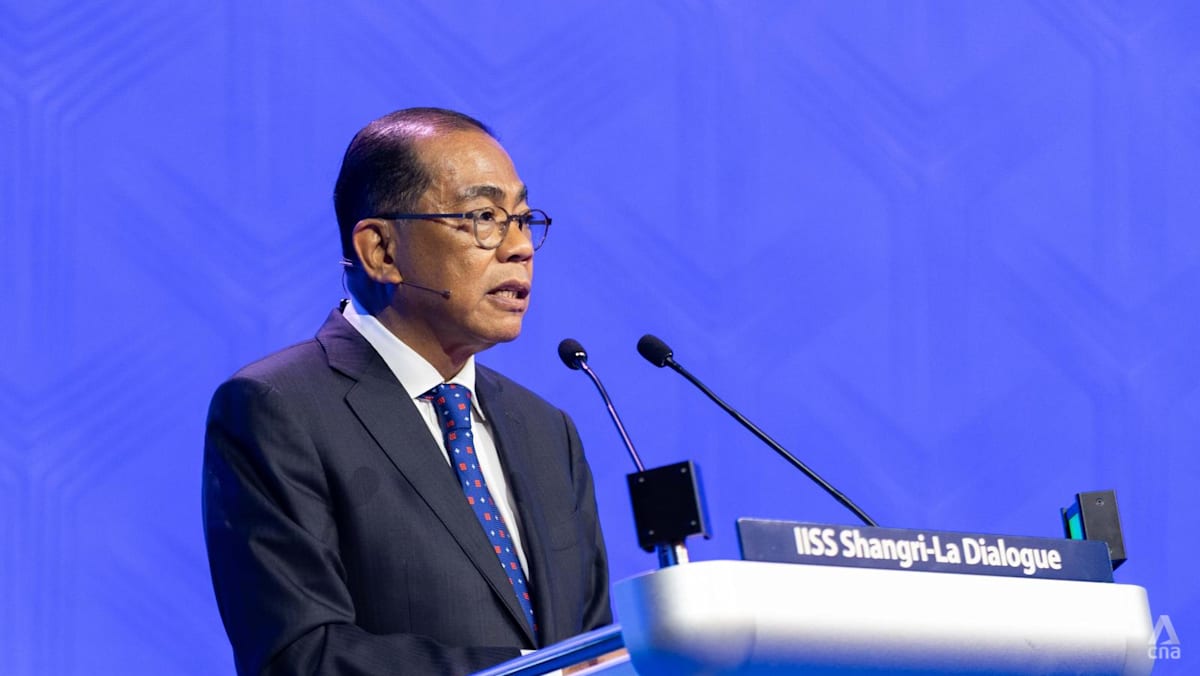
Malaysia pushes Norway to expedite US$252 million refund, says Oslo cannot ‘wash its hands of’ missile deal
The High Stakes of defence Diplomacy: When Export Licenses Become Geopolitical Weapons
In the world of international arms procurement, a signed contract is often viewed as a guarantee. However, as recent frictions between Malaysia and Norway demonstrate, a contract is only as strong as the export licence backing it. When a sovereign government decides to revoke a licence—often citing shifting “strategic partnerships” or “allied status”—the buying nation is left with a gaping hole in its national security and a massive financial deficit.
This isn’t just a legal dispute over RM1 billion; it is a symptom of a larger shift in global defence trends. We are entering an era where defence procurement is no longer just about the best technology or the lowest price, but about geopolitical reliability.
The Rise of ‘Strategic Autonomy’ in defence Procurement
For decades, many nations relied on a few “gold standard” suppliers from the West. But the risk of “end-user restrictions” and unilateral licence revocations has triggered a move toward strategic autonomy. When a supplier can suddenly decide you are no longer a “close partner,” your entire naval or air defence strategy can collapse overnight.
We are seeing a trend where nations are diversifying their arsenals. Instead of buying a complete system from one country, they are mixing and matching components from various regions. This “hedging strategy” ensures that if one political relationship sours, the entire military capability isn’t neutralized.
Why Diversification is the New Standard
Diversification isn’t just about safety; it’s about leverage. When a country like Malaysia evaluates systems from Italy, Japan, France, Turkey, and South Korea simultaneously, it sends a clear message to the original supplier: You are replaceable.

This shift forces exporting nations to be more transparent about their export criteria and more cautious about revoking licenses, knowing that they may lose a market to a rising competitor permanently.
The Shift Toward Non-Traditional Arms Exporters
The vacuum left by traditional Western suppliers is being filled rapidly by “new age” defence hubs. South Korea and Turkey, in particular, have emerged as powerhouses in the naval and aerospace sectors.
These nations often offer a more attractive proposition: high-tech equipment with fewer “political strings” attached. South Korea’s rapid rise in ship-building and missile technology is a prime example. They provide rapid delivery timelines—often because they have units already in production—which is a critical factor for nations facing immediate security gaps.
these emerging exporters are more open to Technology Transfer (ToT). Instead of just selling a finished product, they help the buying nation build the capacity to maintain and eventually manufacture the systems locally. This is the ultimate goal of strategic autonomy: removing the need for a foreign licence entirely.
The Legal Battle: Government Policy vs. Corporate Liability
One of the most complex trends emerging from these scrapped deals is the tension between government policy and corporate liability. In the Malaysia-Norway case, the Norwegian government revoked the licence, but the contract was with a private firm, Kongsberg Defence & Aerospace (KDA).
This creates a “liability loop.” The company cannot deliver because the government said no, but the government claims it isn’t responsible for the company’s financial refunds. This legal gray area is prompting a rewrite of defence contracts worldwide.
Future contracts are likely to include more stringent “Political Force Majeure” clauses, explicitly defining who pays when a government revokes an export licence. We expect to see more demands for escrow accounts, where funds are held by a third party and only released upon the successful issuance of the export permit.
Frequently Asked Questions
What is an export licence in defence?
An export licence is a government-issued permit that allows a company to sell military technology to a foreign nation. Even if a company wants to sell, the government can block it for national security or political reasons.
Why would a country revoke an export licence?
Reasons usually include changes in foreign policy, concerns over human rights, or a desire to restrict advanced technology to a small circle of “trusted allies.”
How can nations protect themselves from procurement failures?
By diversifying suppliers, insisting on technology transfer for local maintenance, and including strict financial penalties for licence revocations in their contracts.
As the geopolitical landscape continues to shift, the lesson is clear: in the defence industry, trust is a luxury, but diversification is a necessity. The race is no longer just about who has the fastest missile, but who has the most reliable partner.
Join the Conversation
Do you think nations should prioritize local production over importing high-end tech, even if it takes longer to develop? Let us know your thoughts in the comments below or subscribe to our newsletter for more deep dives into global security trends.