
Mammals May Not Be as Unable to Regrow Body Parts as Thought
New research from Texas A&M University suggests that mammals, including humans, may possess hidden regenerative abilities that could be activated under specific conditions, according to a study published in *Nature Communications*. The findings challenge long-standing assumptions about the limits of human tissue repair by demonstrating a two-step treatment that encouraged the regeneration of bone, joint structures, and ligaments in experimental models.
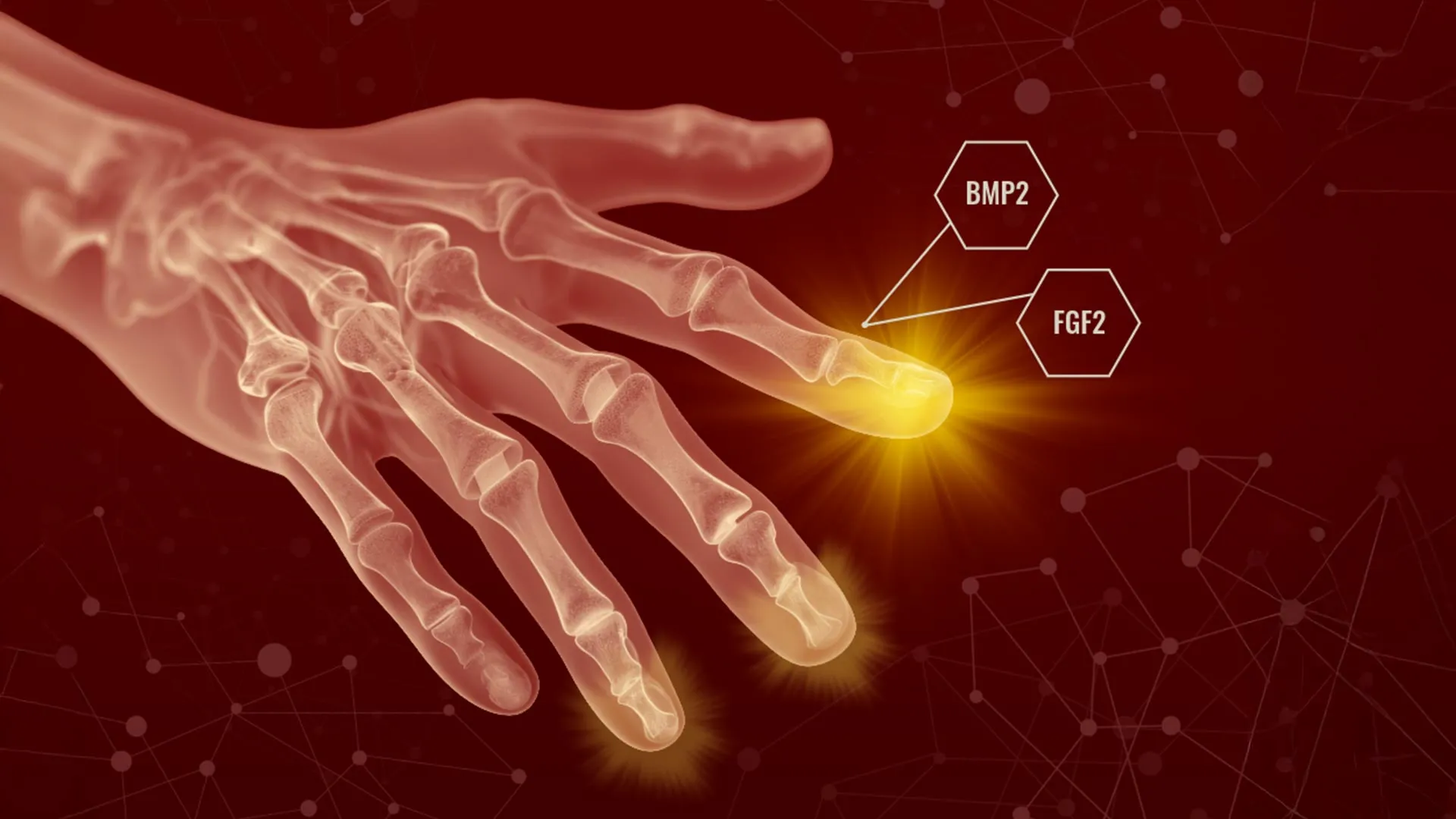
The study, led by Dr. Ken Muneoka of the Texas A&M College of Veterinary Medicine and Biomedical Sciences, focused on redirecting fibroblast cells—key players in wound healing—away from scar formation and toward tissue regeneration. By applying fibroblast growth factor 2 (FGF2) followed by bone morphogenetic protein 2 (BMP2), researchers observed the development of blastema-like structures, which are critical for regeneration in species like salamanders.
Why This Matters: A Shift in Regenerative Medicine
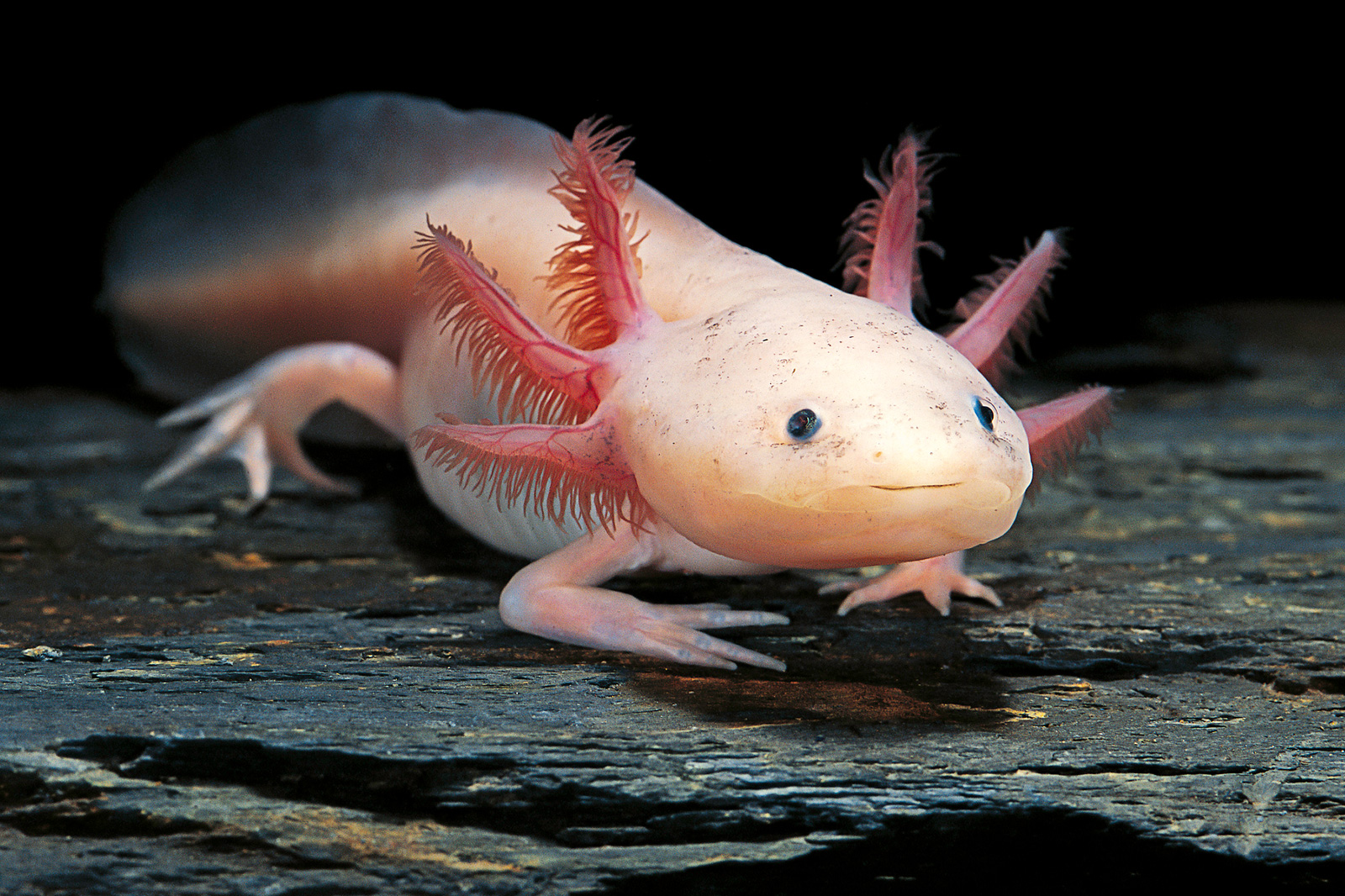
The research highlights a potential paradigm shift in understanding mammalian healing. Unlike salamanders, which naturally form blastemas after injury, mammals typically rely on fibrosis to close wounds, leading to scar tissue. The study shows that mammalian cells may retain the capacity to regenerate if guided by the right signals, without requiring external stem cells.
Dr. Larry Suva, a co-researcher, emphasized that the findings challenge the notion that mammalian cells are “unprogrammable.” Instead, he suggested, the regenerative potential is “obscured” but not absent. This could open new avenues for therapies aimed at reducing scarring and improving tissue repair, with implications for amputation recovery and chronic wound treatment.
What Happens Next: Clinical Applications and Challenges
While the study remains in early stages, the approach could lead to practical applications within years. BMP2, a key component of the treatment, is already FDA-approved for certain medical uses, and FGF2 is under clinical trial evaluation. However, translating these findings to human patients would require further research to ensure safety and efficacy.
Experts note that the complexity of mammalian tissue repair means complete regeneration may still be distant. However, even partial restoration of structures like bone and ligaments could significantly improve healing outcomes. The study also raises questions about how to harness these mechanisms without disrupting normal wound healing processes.
Frequently Asked Questions
What did the study achieve? Researchers demonstrated a two-step treatment using growth factors to regenerate bone, joint structures, and ligaments in experimental models, though the results were not perfect replicas of original tissues.
Why is this significant? The findings suggest that mammals may have dormant regenerative capabilities, which could lead to therapies that reduce scarring and improve tissue repair without relying on external stem cells.
What are the next steps? Further research is needed to test the approach in human trials, with potential applications in wound healing and amputation recovery. BMP2’s existing FDA approval may accelerate this process.
Could the principles of this research one day lead to treatments that restore lost limbs in humans? The path remains uncertain, but the study offers a compelling glimpse into the possibilities of reprogramming the body’s natural healing processes.