

Man Arrested After Throwing Boy Into UK Zoo Crocodile Enclosure
A 30-year-old Norfolk man faces attempted murder charges after throwing a young boy into a crocodile enclosure at Johnsons Old Hurst near Cambridge. According to the BBC, the child suffered serious injuries but is now in stable condition. Police investigator Verity McCann stated there is no evidence the suspect and child were known to each other.
How will zoo security change after the Johnsons Old Hurst attack?
Zoo operators are facing increased pressure to redesign “interactive” zones where humans and predators are separated by minimal barriers. The incident at Johnsons Old Hurst occurred during a public feeding session. According to The Independent, the zoo allows visitors to pay to feed animals, including crocodiles, lions, and capybaras.
Security trends are shifting toward “hardened” boundaries. This means replacing low railings or open gaps with reinforced glass or recessed feeding troughs. These designs prevent visitors from reaching over or throwing objects—or people—into enclosures. The goal is to eliminate the “reach-over” vulnerability that malicious actors can exploit.
What are the risks of interactive animal experiences?
Paid animal encounters create a tension between revenue and risk. The Independent reports that Johnsons Old Hurst opened its reptile pavilion in 2019 to enhance visitor engagement. However, the proximity required for these experiences creates a security gap.
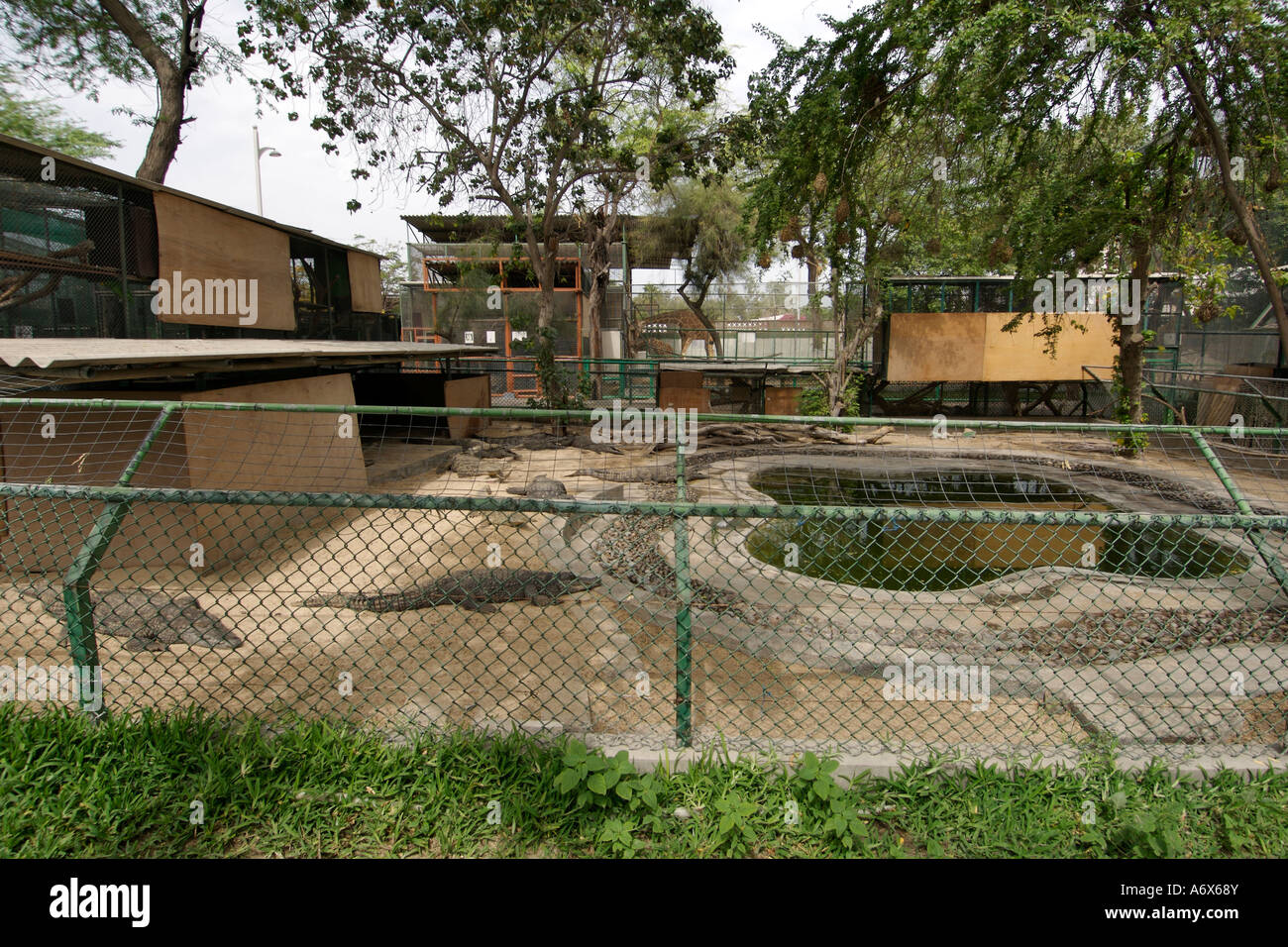
Industry experts are now weighing the “experience economy” against liability. When a zoo encourages visitors to stand at the edge of a predator’s reach, they increase the risk of accidental falls or intentional harm. We are likely to see a decline in “hand-feeding” models in favor of guided, remote-delivery systems.
This shift mirrors changes in wildlife tourism globally. Many parks have moved away from allowing tourists to touch high-risk animals to prevent both animal stress and human injury. The charge of attempted murder in this case elevates the risk from “accidental” to “security breach.”
Why are open-access enclosures becoming a liability?
The legal fallout from the Cambridge incident highlights a growing liability trend. Because the suspect was a stranger to the child, the incident is being treated as a criminal act rather than a supervisory failure by a parent. This places the spotlight on the venue’s ability to monitor crowd behavior in high-risk zones.

Future trends include the integration of AI-driven surveillance. Smart cameras can now detect “anomalous behavior”—such as a person leaning too far over a railing or an aggressive movement toward another visitor—and alert security in real-time. This moves security from reactive to proactive.
Comparing safety models: Open vs. Closed Encounters
There is a stark contrast in how zoos handle dangerous animals. Some facilities use the “Open Interaction” model, like the paid feeding at Johnsons Old Hurst. Others use “Closed Observation,” where animals are viewed through thick acrylic or from elevated platforms.

The BBC’s report on the boy’s stabilized condition suggests a successful medical intervention, but the trauma of the event underscores the danger of the Open Interaction model. As insurance premiums rise for wildlife parks, the Closed Observation model is becoming the industry standard for predators.
For more on wildlife safety standards, visit the World Association of Zoos and Aquariums (WAZA).
Frequently Asked Questions
What happened at Johnsons Old Hurst?
A 30-year-old man threw a young boy into a crocodile enclosure during a public feeding event. The boy was seriously injured and hospitalized.
What are the charges against the suspect?
According to police investigator Verity McCann, the man has been arrested on suspicion of attempted murder.
Is the child in stable condition?
Yes, the BBC reports that the child’s condition has been stabilized after being transported to the hospital.
Does the zoo allow visitors to feed crocodiles?
Yes, The Independent notes that the zoo offers paid feeding experiences for various animals, including crocodiles.
Do you think interactive animal feedings should be banned in predator enclosures? Share your thoughts in the comments below or subscribe to our newsletter for more safety updates.