

Man Charged With Attempted Murder After Throwing Boy Into UK Zoo Crocodile Enclosure
A 30-year-old man faces attempted murder charges after allegedly throwing a three-year-old boy into a crocodile enclosure at Johnsons Zoo on June 19. According to Huntingdonshire police, the child was rescued by the owner’s wife, Tracey Johnson, and remains in critical but stable condition at a Cambridge hospital.
The incident, described by Police Inspector Verity McCann as “scary,” suggests a random act of violence. McCann stated that police do not believe the suspect and the child knew each other prior to the event. Johnsons Zoo, located 25 kilometers north of Cambridge, closed its doors indefinitely following the attack to respect the family’s privacy.
How are zoos evolving security to prevent enclosure breaches?
Zoo operators are shifting from passive barriers—like simple fences or low walls—to active, multi-layered security systems. The Johnsons Zoo incident highlights a critical vulnerability: the “human element” where a perpetrator can bypass physical barriers by carrying a victim over them.
Industry trends now favor “invisible” deterrents. According to safety reports from the Association of Zoos and Aquariums (AZA), many facilities are installing motion-sensor alarms and high-definition CCTV with AI-driven behavioral analysis. These systems can alert staff the moment a visitor climbs a railing or lingers in a restricted zone, reducing response times from minutes to seconds.
What happens when public safety fails at wildlife parks?
When physical barriers fail or are bypassed, the outcome depends entirely on immediate human intervention. In this case, Tracey Johnson’s decision to jump into the enclosure was the deciding factor in the child’s survival. However, such actions carry extreme risk for the rescuer.
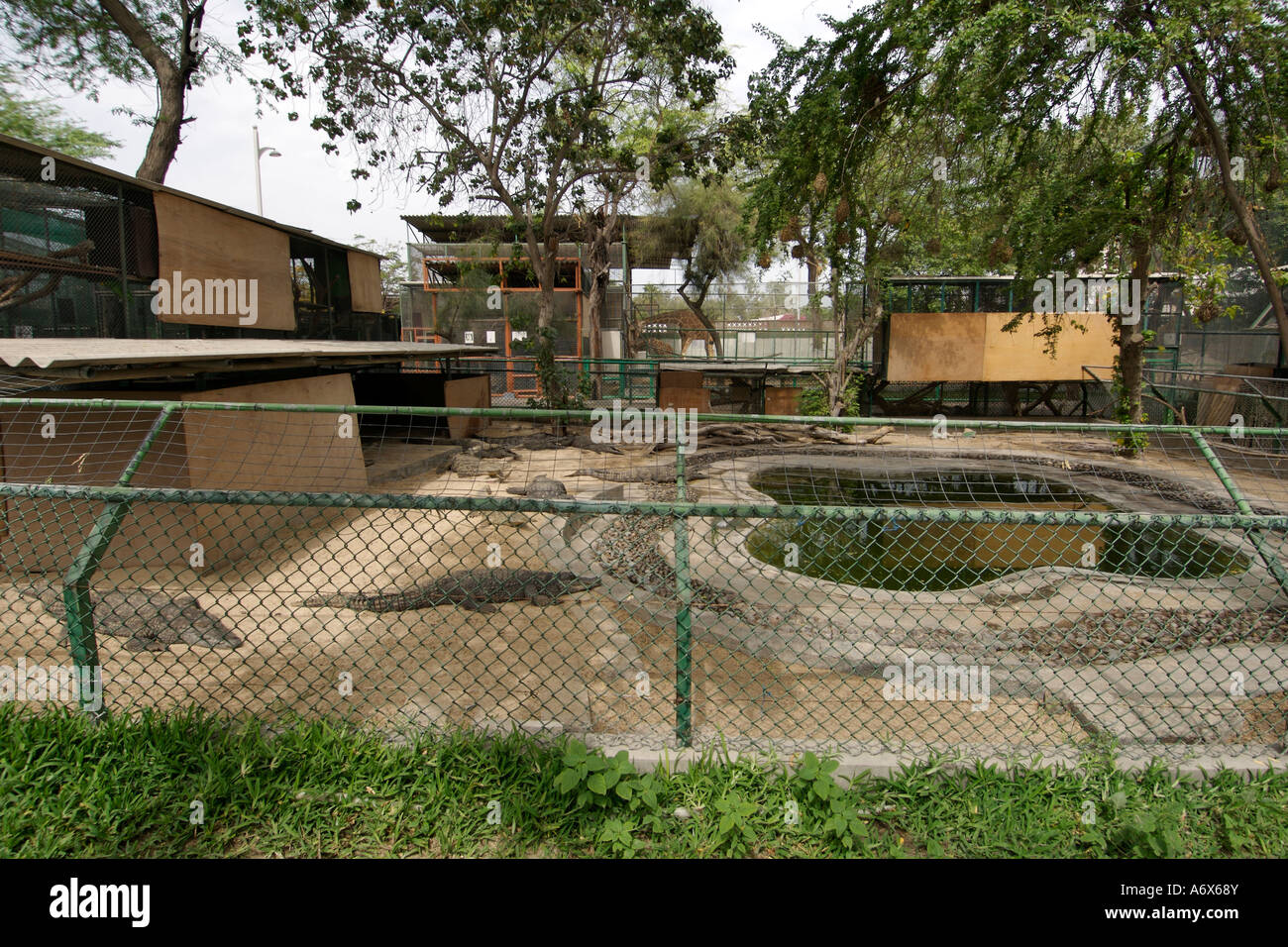
This event mirrors a growing concern regarding “random” violence in high-traffic public spaces. While most zoo accidents are accidental—such as the 2016 incident at the Dallas Zoo where a child fell into a lion exhibit—the Huntingdonshire case is a criminal act. This distinction is forcing facilities to treat zoo security less like “crowd control” and more like “critical infrastructure protection.”
Experts suggest that the next phase of security will include increased presence of trained security personnel rather than just animal keepers. This allows keepers to focus on animal welfare while security handles perimeter integrity.
Why is staff emergency training becoming a priority?
The ability of staff to react under pressure is now a primary metric for zoo accreditation. According to safety protocols used by major wildlife parks, “Rapid Response Teams” are being trained in specific extraction techniques for different animal species.
The contrast here is stark: a standard employee might panic, but a trained responder knows how to distract a predator or use specialized equipment to retrieve a victim. The bravery of Tracey Johnson saved a life, but the industry is moving toward a model where rescuers use tools—like nets or chemical deterrents—rather than their own bodies.
Comparing Zoo Safety: Accidental vs. Intentional Breaches
| Feature | Accidental Breach | Intentional Attack |
|---|---|---|
| Primary Cause | Curiosity or slip/fall | Malicious intent |
| Security Gap | Barrier height/stability | Surveillance/Personnel gaps |
| Prevention | Better signage & fencing | Vigilant staffing & AI monitoring |
Frequently Asked Questions
Are zoos generally safe for children?
Yes. Most zoos follow strict safety guidelines set by organizations like the WAZA. Most incidents are rare and usually result from visitors ignoring safety signs.

What should I do if I see someone climbing a zoo barrier?
Immediately alert the nearest staff member or use an emergency phone. Do not attempt to intervene yourself if it puts you in danger; professional staff have the tools to handle animals safely.
How do zoos handle “random” security threats?
Many are increasing the use of CCTV and hiring professional security firms to monitor visitor behavior, moving beyond the traditional role of the zookeeper.
What do you think about the balance between “immersive” animal exhibits and visitor safety? Should barriers be higher even if it ruins the view? Let us know in the comments below or subscribe to our newsletter for more updates on public safety trends.