
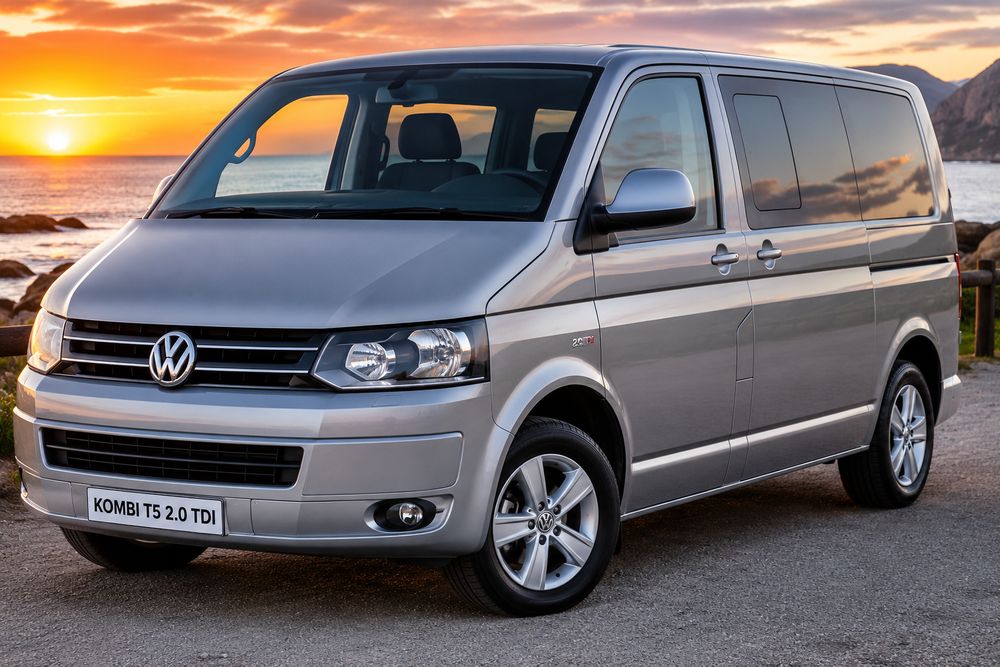
Man wins right to challenge We Buy Cars over defective VW Kombi bought at an inflated price
The National Consumer Tribunal has granted Matome Victor Maponya leave to pursue a direct complaint against We Buy Cars following a dispute over a used Volkswagen Kombi T5 2.0 TDI purchased in December 2022. The tribunal’s decision follows a notice of non-referral from the National Consumer Commission, clearing the way for a full adjudication of allegations involving vehicle defects and pricing discrepancies.
Did You Know? The dispute involves a significant price discrepancy; while the Volkswagen Kombi was advertised online at a floor price of R223,900, the final Offer to Purchase signed by the consumer reflected a total of R269,586.24.
The core allegations against the dealership
Matome Victor Maponya alleges that the vehicle he purchased from the Germiston branch of We Buy Cars was misrepresented and defective. Upon inspection, he identified issues including a cracked tailgate, a cracked windscreen, a damaged roof lining, a defective driver’s seat, and a missing vehicle jack. Furthermore, Maponya contends that the vehicle was advertised as a long-wheelbase model when it was actually a short-wheelbase version, and that it had been involved in a serious prior accident.

The pricing dispute centers on whether the R45,686.24 difference between the advertised price and the signed contract constitutes misleading conduct under the Consumer Protection Act (CPA). If the tribunal rules in his favor, Maponya intends to seek a full refund of the purchase price, along with compensation for maintenance, insurance, and fuel costs.
Defense and dealership position
We Buy Cars opposed the application, arguing that the vehicle was approximately 12 years old with nearly 167,000 kilometres on the odometer at the time of sale. The dealership maintained that the reported issues were consistent with normal wear and tear for a vehicle of that age. Additionally, the company stated that Maponya had access to a DEKRA inspection report and signed a pre-delivery document acknowledging the vehicle’s condition.
The dealership further argued that the statutory warranty under the CPA was voided because Maponya arranged for repairs through third parties before giving the dealership an opportunity to inspect or repair the vehicle. They asserted that they are protected under CPA provisions that allow suppliers to avoid liability when consumers are expressly informed of defects and accept the goods in that condition.
Expert Insight: The stakes for consumer rights
Expert Insight: This case highlights the tension between “as-is” sales of high-mileage used vehicles and the baseline protections afforded by Section 55 of the Consumer Protection Act. By allowing the matter to proceed, the tribunal signals that the interpretation of “good quality” and “good working order” remains a critical, unresolved area of law, especially when third-party repairs are introduced into the chain of evidence.
What may happen next
The substantive dispute will now move to a formal hearing before the National Consumer Tribunal. The tribunal will be required to determine whether the dealership breached the CPA regarding the quality of goods and marketing practices. A possible next step involves the tribunal issuing a definitive interpretation of whether the dealership’s actions, including the price discrepancy and the condition of the vehicle, constitute a violation of the law. Should the tribunal find against the dealership, it could potentially order the rescission of the sale and the reimbursement of associated costs.
Frequently Asked Questions
Why was the matter referred to the National Consumer Tribunal?
The tribunal granted leave because it determined that the issues raised, including potential breaches of Section 55 of the CPA and allegations of misleading marketing, are significant and in the public interest to resolve.
Did the tribunal rule on the merits of the case?
No. The tribunal explicitly stated that it was not determining the merits at this stage, but rather deciding whether there were sufficient grounds for the matter to be heard formally.
What is the primary argument used by We Buy Cars?
The dealership argues that the vehicle’s age and mileage account for the issues, that the consumer signed a pre-delivery inspection acknowledging the condition, and that third-party repairs invalidated the statutory warranty.
How do you believe the use of third-party repair assessments should influence the outcome of consumer vehicle disputes?