
Manila Bulletin – PH, Japan move toward destroyers, spy plane transfer as Manila widens defense network
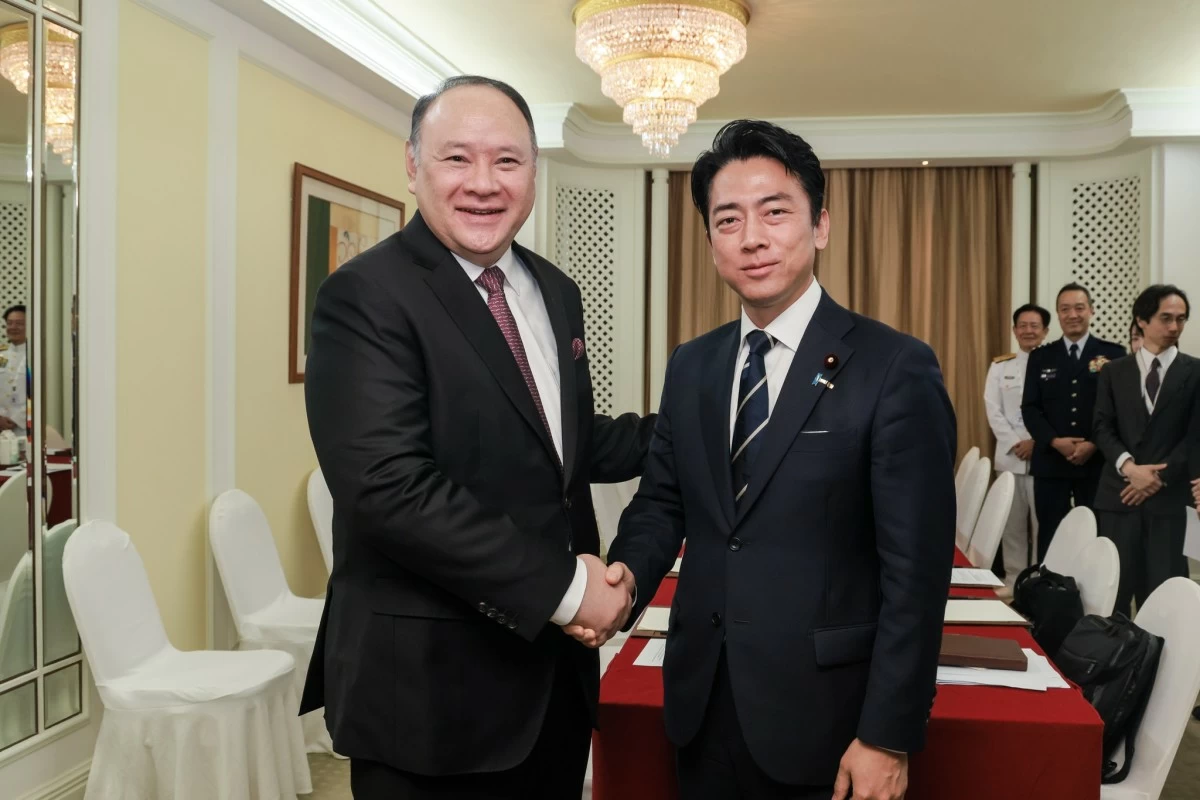
The Philippines and Japan have moved closer to a landmark defense equipment deal, a development that signifies a deepening security alliance between the two nations. During the 23rd International Institute for Strategic Studies (IISS) Shangri-La Dialogue in Singapore, Department of National Defense (DND) Secretary Gilberto Teodoro Jr. And Japanese Defense Minister Shinjiro Koizumi agreed to advance plans for the transfer of retired Japanese Abukuma-class destroyer escorts and a TC-90 aircraft to the Armed Forces of the Philippines (AFP).
Strengthening Regional Security Ties
This agreement follows the recent elevation of bilateral relations to a “Comprehensive and Strategic Partnership” during a summit between President Marcos Jr. And Japanese Prime Minister Sanae Takaichi. The two defense ministers reached a broad consensus to initiate the transfer of the destroyer escorts following their decommissioning, with the TC-90 aircraft expected to be transferred within Japan’s fiscal year 2027.
Beyond the hardware, the officials committed to detailed discussions regarding the sustainment of this equipment. These talks will cover essential areas such as maintenance requirements, long-term support and the training of Philippine Navy personnel to manage the vessels and aircraft effectively.
Did You Know? The Reciprocal Access Agreement (RAA) signed in 2024 marked Japan’s first such pact in Asia, allowing for joint military activities and exercises within the territories of both the Philippines and Japan.
A Broadened Network of Partnerships
Secretary Teodoro’s engagements at the Shangri-La Dialogue extended well beyond Japan, as he sought to reinforce a wider network of security partnerships. Discussions with South Korean Defense Minister Ahn Gyuback focused on continued support for the AFP modernization program, building on the existing presence of South Korean-made FA-50 fighter aircraft and frigates in the Philippine fleet.
In meetings with other international counterparts, including officials from Singapore, Australia, and the European Union, the Secretary emphasized the importance of collective efforts in maintaining a rules-based order. These discussions explored expanded cooperation in maritime security, disaster response, and cybersecurity, reflecting a broader regional strategy to protect common interests in the Indo-Pacific.
Expert Insight: The transition toward more sophisticated military hardware, such as destroyer escorts, suggests a shift in the nature of the Philippines’ defense partnerships. By moving from humanitarian-focused cooperation to the integration of major naval assets, the Philippines and its partners appear to be prioritizing long-term maritime domain awareness and regional stability as a response to growing security concerns.
Future Implications
As the bilateral working group continues to refine the framework for these transfers, the immediate focus will remain on logistics and training. A possible next step involves the finalization of the specific decommissioning timelines for the Abukuma-class vessels, which would provide a clearer schedule for their integration into the Philippine Navy. Analysts may expect that as these defense ties mature, the frequency and scale of joint exercises between the Philippines and its partners could continue to increase, further solidifying the regional security architecture.
Frequently Asked Questions
What specific military equipment is being discussed for transfer from Japan to the Philippines?
The discussions currently cover the transfer of Japan’s retired Abukuma-class destroyer escorts and one TC-90 aircraft.

Which countries did Secretary Teodoro meet with to discuss defense cooperation at the Shangri-La Dialogue?
Secretary Teodoro held meetings with defense officials from Japan, South Korea, Singapore, Australia, and representatives from the European Union and Switzerland.
What is the purpose of the ongoing discussions between the Philippines and Japan regarding the transferred equipment?
The discussions are focused on ensuring the operational readiness of the equipment, covering training for Philippine Navy personnel, maintenance requirements, sustainment support, and management protocols post-transfer.
How do you believe these expanding defense partnerships will influence the future of maritime security in the Indo-Pacific?