

Marco Rubio Calls Russia’s Invasion of Ukraine a Strategic Catastrophe
The Pivot to Diplomacy: Why a Military Solution in Ukraine is Fading
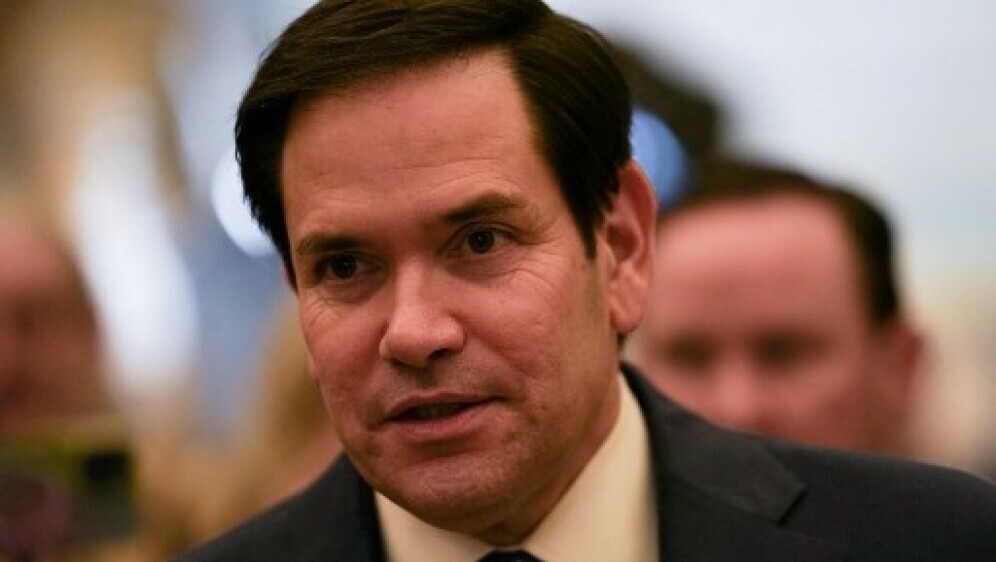
For years, the narrative surrounding the conflict in Ukraine was defined by the pursuit of a decisive military victory. However, a shift in rhetoric from the highest levels of U.S. Diplomacy suggests we are entering a new phase. U.S. Secretary of State Marco Rubio recently characterized the Russian invasion as a “strategic catastrophe” for the Kremlin, noting that the original goals set by Moscow on day one are now effectively unattainable.
The reality is becoming clear: this war likely has no purely military solution. When the front lines stagnate and both sides reach a point of exhaustion, the battlefield stops being the primary driver of change. Instead, the focus shifts toward the negotiating table, even if those negotiations currently feel like they are in a “dead end.”
The Role of Asymmetric Pressure
While diplomacy is the goal, it is rarely achieved through goodwill alone. Current trends show Ukraine increasing its use of asymmetric warfare—specifically long-range drone strikes—to create leverage. By hitting strategic targets deep inside Russian territory, such as oil terminals and naval bases in St. Petersburg, Kyiv is effectively bringing the cost of war home to the Russian population and leadership.
This tactical shift serves a dual purpose. First, it degrades Russia’s economic and military capacity. Second, it creates a psychological vulnerability. As NATO Secretary General Mark Rutte pointed out, the ability of Ukraine to disrupt high-profile events in Russia suggests that the Kremlin no longer has absolute control over its own security perimeter.
For more on how long-range capabilities are changing the war, see our analysis on modern drone warfare and sovereign borders.
The Hard Truth About Concessions
The most contentious part of any peace process is the “concession phase.” Recent diplomatic signals indicate that any lasting agreement will likely require concessions from both sides. This is a bitter pill for many to swallow, but it is the hallmark of historical conflict resolutions.
The challenge for the U.S. And its allies is to define what a “fair” concession looks like. Does it involve territorial compromises, or is it focused on security guarantees? The goal is to move from a state of active combat to a state of stability without rewarding aggression.
Drafting the Future: Security Guarantees
The “tricky task” now facing diplomats is drafting security guarantees that are credible enough to satisfy Ukraine but not so provocative that they trigger a wider escalation. These guarantees are the bedrock of any potential peace treaty. Without them, any ceasefire is merely a pause for Russia to rearm.
Future trends suggest a “layered” security approach:
- Immediate Deterrence: Continued supply of advanced air defense and long-range weaponry.
- Economic Integration: Fast-tracking trade agreements and reconstruction funds to tie Ukraine’s economy to the West.
- Diplomatic Frameworks: Bilateral security pacts with major powers to ensure immediate intervention or support in case of a breach.
Geopolitical Stability vs. Tactical Wins
The overarching trend is a move toward “stability.” While tactical wins on the battlefield—such as reclaiming a specific village or destroying a corvette—provide morale boosts, they rarely end wars. True stability comes from a realignment of geopolitical interests.
The U.S. Is now tasked with balancing the need to support Ukraine’s sovereignty with the pragmatic necessity of preventing a global escalation. This requires a sophisticated diplomatic dance: maintaining pressure on Moscow while keeping a channel open for a deal that doesn’t leave Ukraine vulnerable.
For further reading on global security trends, visit the U.S. Department of State official archives.
Frequently Asked Questions
Will the war end with a formal peace treaty?
It is possible, but many experts anticipate a “frozen conflict” or a ceasefire agreement similar to the Korean Peninsula, where hostilities stop without a comprehensive final treaty.
What are “security guarantees” in this context?
These are formal commitments from other nations to provide military or economic support if Ukraine is attacked again, acting as a deterrent in the absence of a full NATO membership.
Why are drones so important for negotiations?
Drones allow Ukraine to project power deep into Russia, forcing the Kremlin to divert resources and facing domestic pressure, which makes them more likely to consider negotiations.
Join the Conversation
Do you believe a negotiated settlement is possible in the current climate, or is a military resolution still the only path? Share your thoughts in the comments below or subscribe to our newsletter for deeper geopolitical insights.