

Marcus Rashford’s Future Uncertain as Barcelona Dispute Transfer Fee
The High-Stakes Game of Transfer ‘Lowballing’
The current standoff between Manchester United and Barcelona over Marcus Rashford isn’t just a club dispute; it is a masterclass in modern football leverage. When a club agrees to an “option-to-buy” fee—in this case, £26m—it is usually seen as a settled matter. However, we are seeing a growing trend where buying clubs attempt to “lowball” the selling side at the eleventh hour.
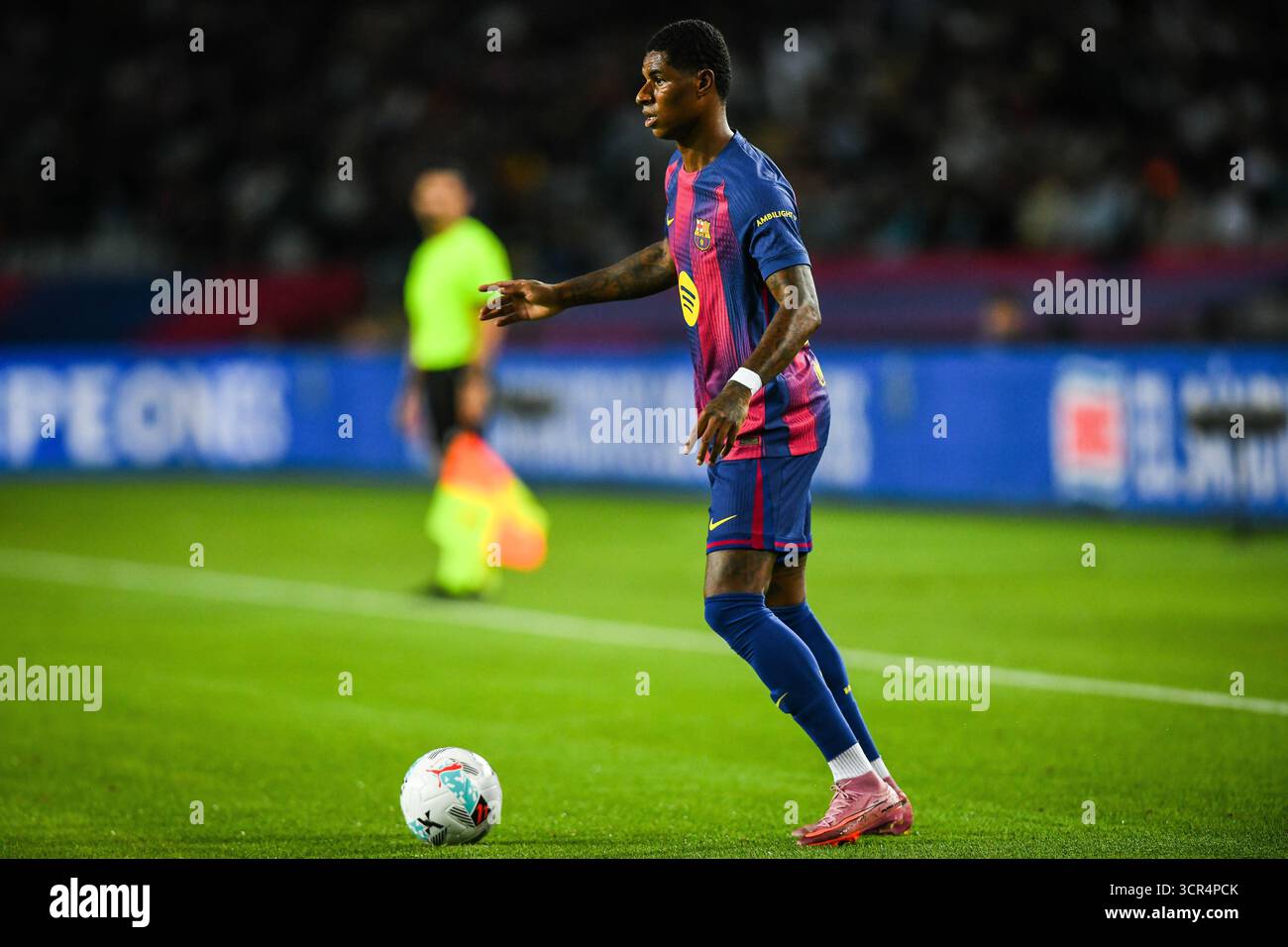
Barcelona’s reported attempt to pay half the agreed fee is a calculated gamble. They are betting on United’s desperation to clear a massive wage bill—Rashford’s £325,000 per week is a significant burden—and the player’s own desire to stay at the Nou Camp.
This tactic has become common in an era of financial instability. We saw similar tensions during the sagas involving players like Antoine Griezmann and variousAtletico Madrid deals, where the fine print of loan agreements became a battlefield for lawyers rather than scouts.
The World Cup Window: A Market Catalyst
Timing is everything in the transfer market. Rashford arriving in Miami early to train under Thomas Tuchel isn’t just about fitness; it’s about brand management. A stellar performance in a World Cup can instantly inflate a player’s valuation, turning a “discount” target into a premium asset.

Historically, the World Cup acts as a global shop window. If Rashford replicates his Barcelona loan form—where he posted an impressive 14 goals and 14 assists—the leverage shifts back to the player and Manchester United. A few goals on the world stage could make Barcelona’s attempt to cut the price look foolish, as other suitors from the Premier League or Saudi Pro League might enter the fray.
For more on how international tournaments affect club valuations, check out our deep dive into Player Market Trends.
The ‘Carrick Effect’ and Tactical Fit
The appointment of Michael Carrick at Manchester United introduces a wild card into this equation. In professional football, a change in management often leads to a “clearing of the decks.” New managers typically want “their own” players—athletes who fit their specific tactical blueprint.
Carrick’s philosophy will determine if Rashford is viewed as a cornerstone of the new project or a legacy asset from a previous era. If Carrick envisions a high-pressing, fluid attacking system, Rashford’s versatility and recent success in Spain make him an obvious choice. However, if the direction shifts toward a different profile of winger, United may be more inclined to accept Barcelona’s cut-price offer just to facilitate a rebuild.
The Evolution of the Loan-to-Buy Model
The Rashford situation highlights a systemic shift in how elite clubs handle “underperforming” stars. Rather than selling a player at a loss, clubs now prefer the loan-to-buy model. This allows the player to rebuild their value elsewhere while the parent club removes the wage burden from their books.
However, as we see with Rashford, this creates a “limbo” state. The player is emotionally invested in the new club, but legally tied to the old one. This psychological tension can either fuel a player’s performance (as seen in Rashford’s 28 goal contributions) or lead to a breakdown in relations.
Data suggests that players who succeed on loan are 40% more likely to secure a permanent move, but the final fee is often subject to intense negotiation based on the player’s “last-mile” performance data.
Frequently Asked Questions
Why would Barcelona try to pay less than the agreed fee?
Barcelona often faces strict financial constraints from La Liga. By leveraging United’s desire to offload a high earner, they hope to secure the player while saving millions in capital.
How does the World Cup impact Rashford’s future?
Strong performances for England increase his market value and give Manchester United more leverage to demand the full £26m fee from Barcelona.
What role does Michael Carrick play in this?
As the new manager, Carrick decides if Rashford fits his tactical vision. If he doesn’t, United is more likely to accept a lower offer to fund new signings.
What do you think?
Should Manchester United hold out for the full £26m, or is it time to cut ties and let Rashford move to Spain? Let us know your thoughts in the comments below!