

Maria-Pia Briffaut’s Books on Secret Births Added to National Assembly Library
The intersection of literature and public policy has taken a significant step forward as two works by author Maria-Pia Briffaut have been officially admitted into the library of the French National Assembly. The author, who resides in the Vendée region, has dedicated her writing to the complex and often sensitive issues surrounding anonymous childbirth, known as “accouchement sous X,” and the alleged trafficking of children born through this process.
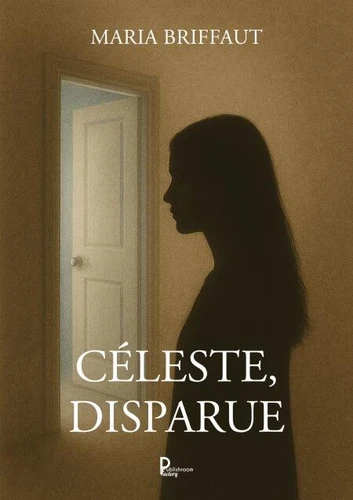
The two works now included in the National Assembly’s collection are titled Les Fantines and Céleste, disparue.
The Significance of Parliamentary Integration
For Maria-Pia Briffaut, the inclusion of her books in such a prestigious institution is more than a professional milestone; it is a strategic advancement in her advocacy. By becoming part of the library’s collection, these texts are now positioned to serve as a foundational reference for lawmakers and researchers studying the legal and social implications of anonymous birth policies.

Briffaut, who previously worked as a librarian, has been actively engaging with government officials. She has reported regular visits to the Assembly to discuss her findings and concerns with elected representatives, specifically regarding the potential for a formal parliamentary commission to investigate the issues raised in her writing.
The formal entry of literature into a legislative library often signals a shift from personal advocacy to institutional scrutiny. By providing lawmakers with documented narratives regarding child trafficking, the author is creating a permanent record that may influence how future legislative debates are framed and informed.
Looking Toward Future Policy Shifts
While the process of establishing a parliamentary commission is currently underway, Briffaut has noted that such institutional change typically requires a significant amount of time. The inclusion of her works could serve as a catalyst for sustained legislative interest, potentially providing the necessary momentum to move discussions from informal meetings to a formal inquiry.
As these books become accessible to those drafting potential reforms, the discourse surrounding the rights of children born under anonymous conditions may evolve. Future developments could see a more rigorous examination of current statutes if the materials provided by Briffaut lead to a broader consensus among policymakers regarding the need for transparency and investigation.
Frequently Asked Questions
Who is the author behind these works?
Maria-Pia Briffaut is an author based in the Vendée region of France who formerly worked as a librarian.
What is the primary focus of her books?
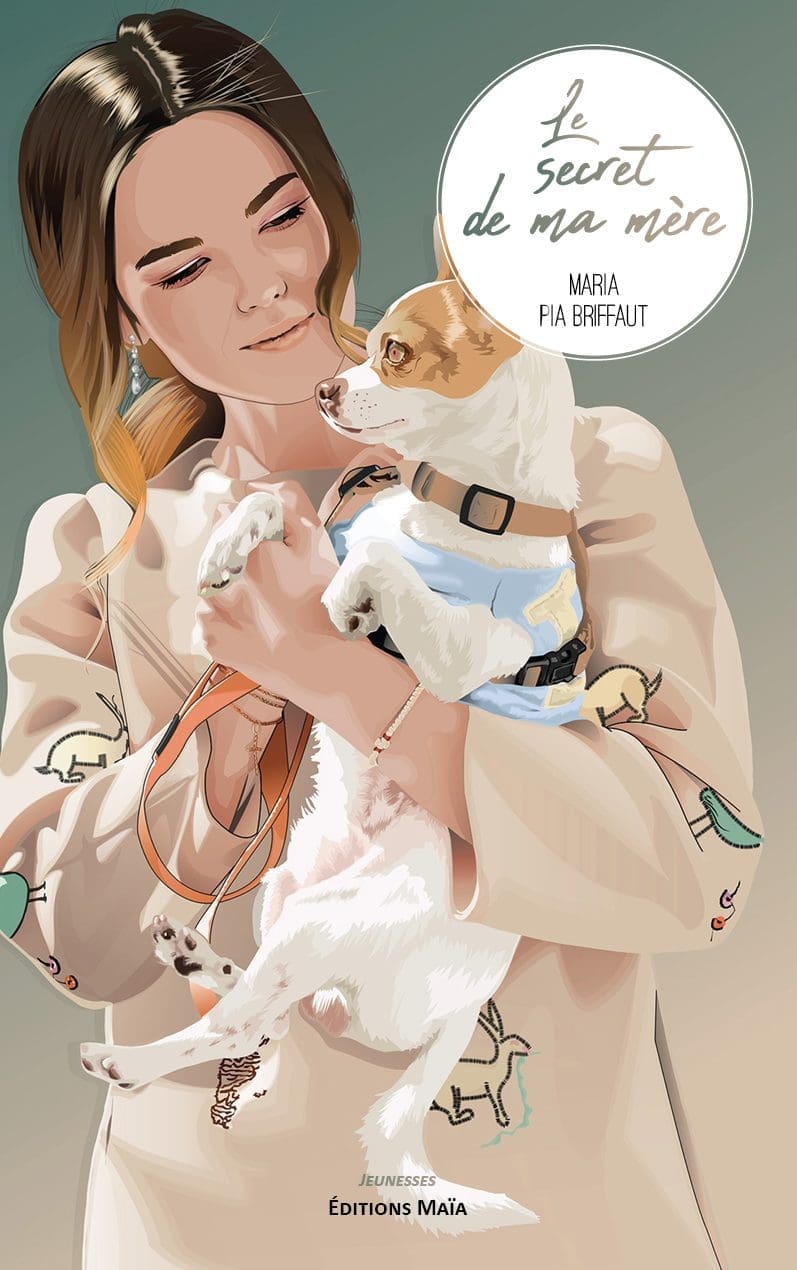
Her works, including Les Fantines and Céleste, disparue, address the practice of anonymous childbirth (accouchement sous X) and advocate for the recognition of child trafficking involving children born under these circumstances.
Why is the entry of these books into the National Assembly library considered important?
The author believes these works will serve as a base for parliamentary discussions and could support the establishment of a commission to investigate the subject.
How do you believe the inclusion of personal narratives in legislative libraries changes the way policymakers approach sensitive social issues?