
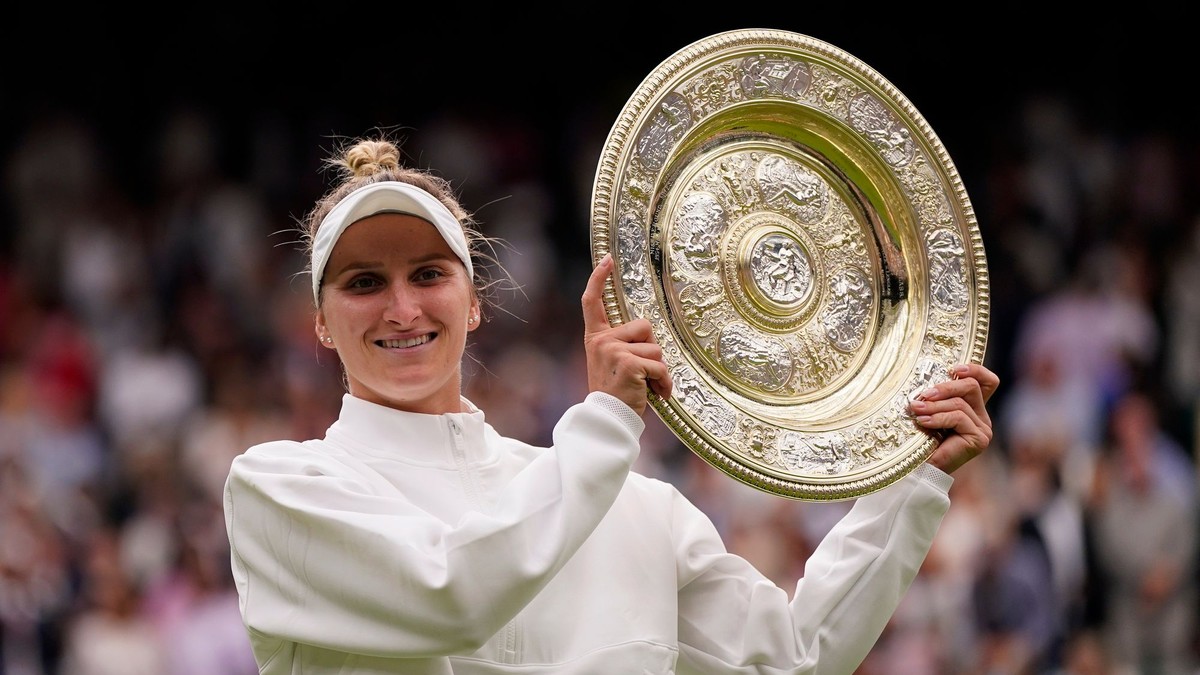
Markéta Vondroušová Banned for 4 Years Over Missed Doping Test
Markéta Vondroušová, the 2023 Wimbledon champion, has been handed a four-year ban by the International Tennis Integrity Agency (ITIA) for failing to provide a doping sample during a December 3 test. The ban, which expires June 21, 2030, is the maximum penalty possible, matching the punishment for a positive test.
Why did Markéta Vondroušová receive a ban?
Vondroušová refused to provide a sample during an out-of-competition check on December 3. According to the ITIA, the tennis player denied entry to a representative from the German anti-doping agency at her apartment.
Vondroušová argued the official arrived outside the one-hour window she provided in the ADAMS app, which athletes use to signal their availability. She further claimed the official failed to produce proper identification or credentials.
The official’s report stated all requirements were met. An independent tribunal reviewed the case and decided the evidence offered no “convincing justification” for the refusal, though it did acknowledge Vondroušová suffered an acute stress reaction during the encounter.
What are the consequences of the ITIA decision?
The ban prohibits Vondroušová from playing, training, or participating in any events sanctioned by the ITF, WTA, ATP, Grand Slam tournaments, or national tennis associations. This restriction remains in place until June 21, 2030.
ITIA Director General Karen Moorhouse stated that unannounced testing is a necessary tool to protect clean sport. Moorhouse noted that officials are professional, gender-matched to the player, and carry identification that can be verified through other means if a player is uncertain.
What happens next for Vondroušová?
The 2023 Czech Athlete of the Year may appeal the decision to the Court of Arbitration for Sport (CAS). Her legal representative, Jan Exner, stated they will review the reasoning behind the ruling before deciding on further steps.
Exner noted that he must first consult with Vondroušová and declined to speculate on specific legal moves at this time.
How does this compare to other Czech tennis cases?
Vondroušová is not the first Czech player to face doping-related penalties. Previous cases include Karel Nováček, Petr Korda, Ivo Minář, and Barbora Strýcová. Bohdan Ulihrach also received a penalty that was later overturned, and Nikola Bartůňková faced a suspension two years ago.
Frequently Asked Questions
What was the specific reason for Vondroušová’s ban?
She was banned for failing to provide a sample during an out-of-competition doping control on December 3.
How long is the suspension?
The ban lasts four years and is set to expire on June 21, 2030.
Can she still train during the ban?
No. The ruling prohibits her from playing, training, or attending events organized by the ITF, WTA, ATP, Grand Slams, or national tennis federations.
How should sports organizations balance athlete privacy with the need for unannounced testing?