
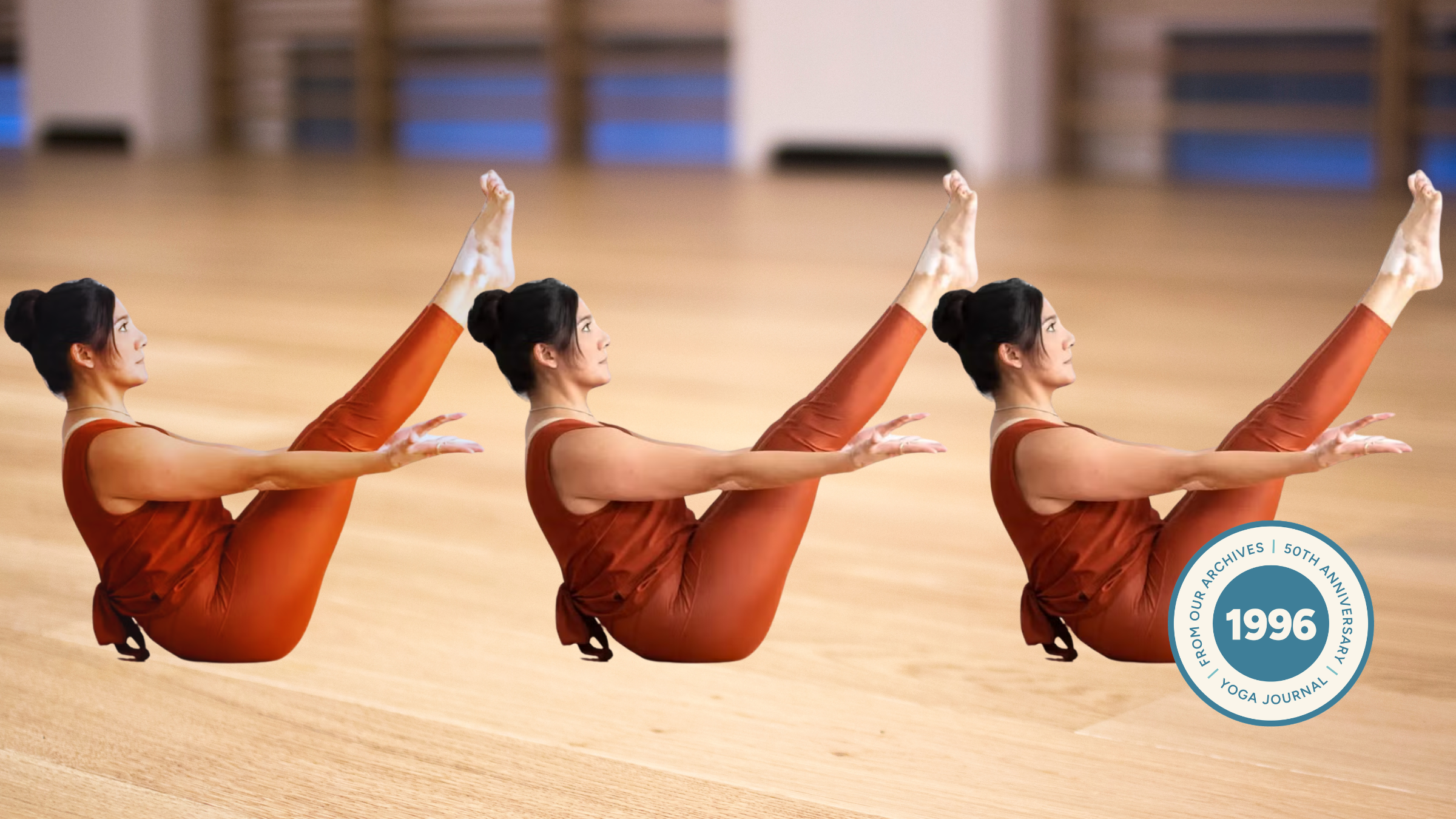
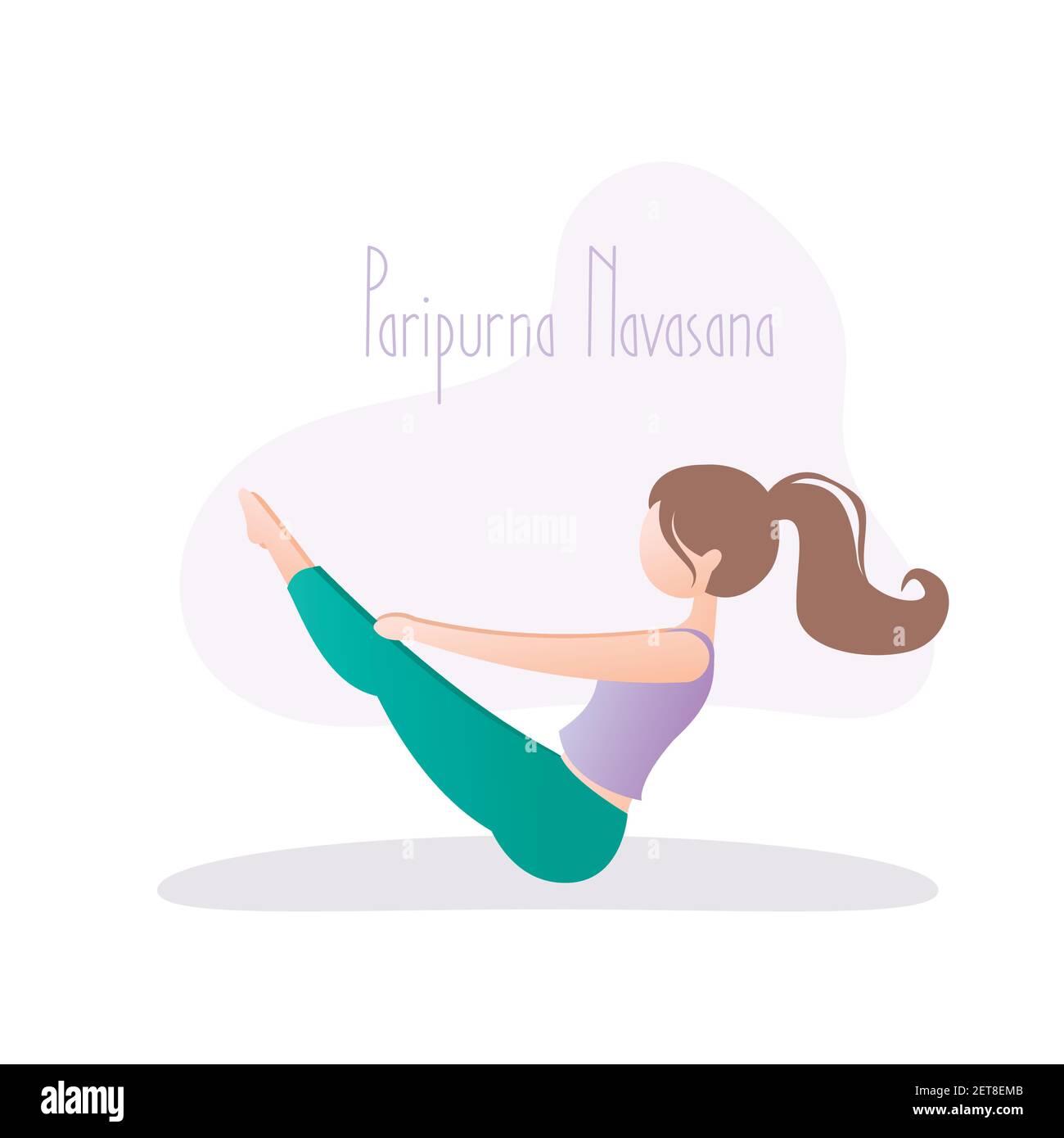
Master Boat Pose: A Step-by-Step Guide to Paripurna Navasana
Boat Pose (Paripurna Navasana) requires the engagement of deep muscles binding the lumbar spine to the inner thighs to maintain stability, according to a July-August 1996 Yoga Journal guide. Proper execution focuses on shortening the distance between the pubis and the 12th thoracic vertebra (T12) rather than relying on superficial abdominal muscles.
How do deep muscles support Boat Pose?
Reliance on superficial muscles spanning the belly between the lower front ribs and the pubis can cause the posture to fail, according to the 1996 Yoga Journal report. Instead, practitioners must use deeper muscles in the pelvic bowl that act as a “keel” or “truss.”

This internal support secures the lift of the torso and legs by drawing their bony attachments together. The specific line of movement involves the pubis moving up into the torso while the T12 vertebra moves down toward the pubis.
What tools are needed for Boat Pose preparation?
Preparation begins with two bath towels or blankets rolled into bolsters about four inches in diameter, according to the source. One bolster supports the neck and the other supports the lumbar spine.
The practice involves lying on the back with knees bent and feet hip-width apart. Practitioners may use a strap to secure the knees together, angling the thighs slightly inward.
The guide recommends a 10 to 20 minute visualization exercise. Practitioners imagine a string stretched between the pubis and T12 with beads moving toward each other to clear neural circuits and deepen breathing.
How does Staff Pose prepare the body for Boat Pose?
Staff Pose (Dandasana) serves as the starting position for Boat Pose, according to Yoga Journal. The two postures share similar configurations, though Staff Pose maintains a 90-degree angle between the legs and torso.
To practice Staff Pose, the guide suggests sitting with the back to a wall and wedging a block between the wall and the sacrum. If the back of the legs are tight, a thickly folded blanket can be used under the sitting bones.
Practitioners are instructed to push through the index-finger side of the hands to lift the sternum and pull the scapulas down the back. The torso then leans back two to three inches from the wall while keeping the belly relaxed.
What are the steps to enter Boat Pose?
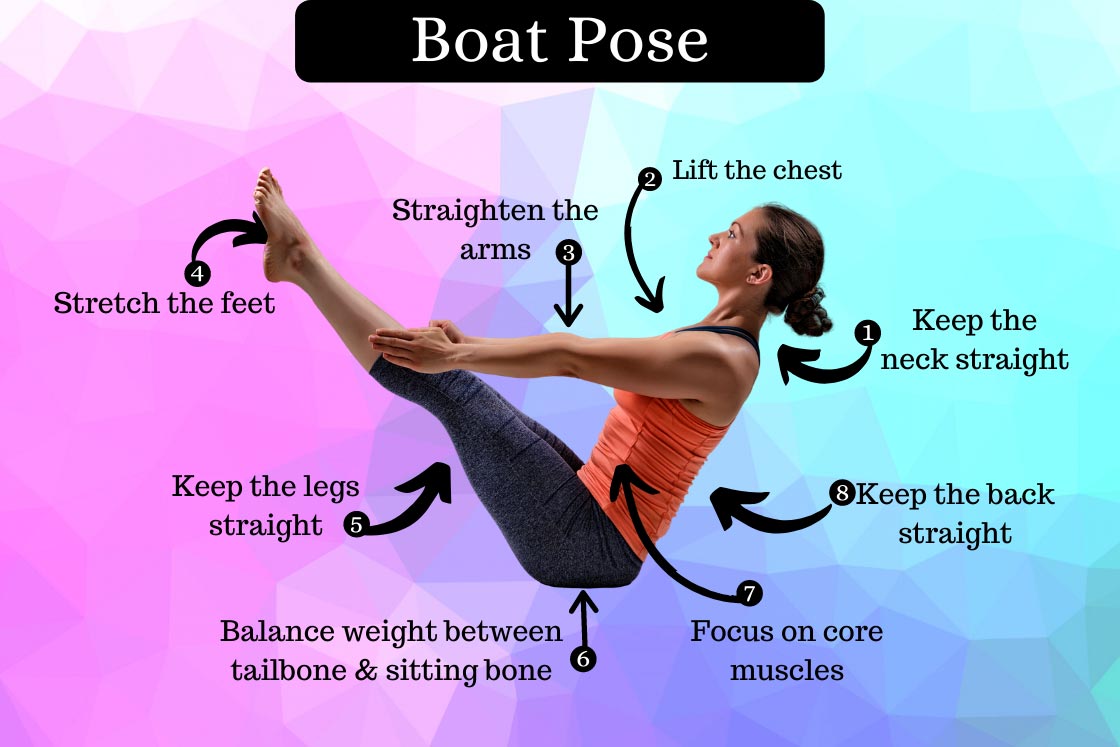
Entering the pose begins by moving away from the wall and rocking onto the buttocks between the sitting bones and the coccyx, according to the source. The torso should lean back approximately 30 to 35 degrees from the perpendicular.
With knees bent, practitioners can eventually extend the legs, pulling the kneecaps toward the hip joints. The feet are first brought to face level and then elevated so the legs are angled 60 to 65 degrees relative to the floor.
The final stage involves extending the arms parallel to the floor beside the knees for 20 to 30 seconds. Once established, practitioners may transition directly from Staff Pose into Boat Pose by simultaneously rocking the torso and hoisting the legs.
What may happen next in a practice routine?
Practitioners who struggle with the balance may continue to use their hands on the floor for stability during the initial transitions. Those who find the visualization difficult may need daily practice to connect with the movement of the pubis and T12.
As the “circuits” clear, a practitioner is likely to experience a wider spread of the torso on the floor and diminished muscle strain. Those prone to falling asleep during preparation may find it necessary to support their calves on a yoga chair.
Frequently Asked Questions
What happens if the deep muscles fail during Boat Pose?
According to the source, the posture will “spring several leaks,” resulting in a rounded back, a collapsed chest, buckling knees, quivering legs, and shaky balance on the buttocks.
How should the block be positioned during Staff Pose?
The guide states the edge of the block should be placed against the sacrum, with its long axis perpendicular to the floor.
What is the recommended duration for the visualization exercise?
The source suggests staying in the visualization position for 10 to 20 minutes before rolling to one side with an exhalation.
Do you prioritize deep muscle engagement or superficial strength when practicing core exercises?