
Meet the food bugs that could ruin your summer
As summer temperatures rise, public health officials are bracing for a potential increase in foodborne illnesses. The convergence of a warming climate, a growing reliance on refrigerated “ready-to-eat” meals, and a more vulnerable elderly population has created a challenging environment for food safety.
While many of these infections are manageable, the spectrum of risk varies significantly between different bacterial pathogens. Understanding the specific nature of these “usual suspects”—Listeria, Salmonella, and Campylobacter—is essential for consumers aiming to protect their health during the warmer months.
Listeria is considered a particularly persistent summer threat because It’s frequently detected within ice cream machines, where it can thrive despite the cold environment.
The Risk Profile of Common Pathogens
Listeria, while less frequent than other infections, represents the most severe threat to public health. With a high potential for hospitalization and mortality, it is often associated with deli meats, seafood, dairy, and contaminated equipment. Invasive cases can lead to meningitis or sepsis, particularly in pregnant women, newborns, the elderly, and those with weakened immune systems.
Salmonella remains the second most common gastrointestinal infection in Europe. Often linked to raw or undercooked meat and egg products, it typically causes fever, abdominal cramps, and diarrhea. While it can be debilitating, hospitalizations are rarer than with Listeria, and the infection generally responds well to supportive care.
Campylobacter is the most frequent cause of foodborne illness across the EU. Often contracted via unpasteurized milk, contaminated water, or undercooked poultry, it results in acute gastrointestinal distress. Although individual cases are rarely fatal, the sheer volume of infections makes it a significant public health burden.
The primary challenge in managing these infections lies in the intersection of human behavior and bacterial evolution. As bacteria potentially develop resistance to existing treatments, the reliance on antibiotics becomes a double-edged sword. Future public health success may depend less on reactive medication and more on the development of innovative, targeted therapies currently in the research pipeline.
Looking Ahead: Prevention and Innovation
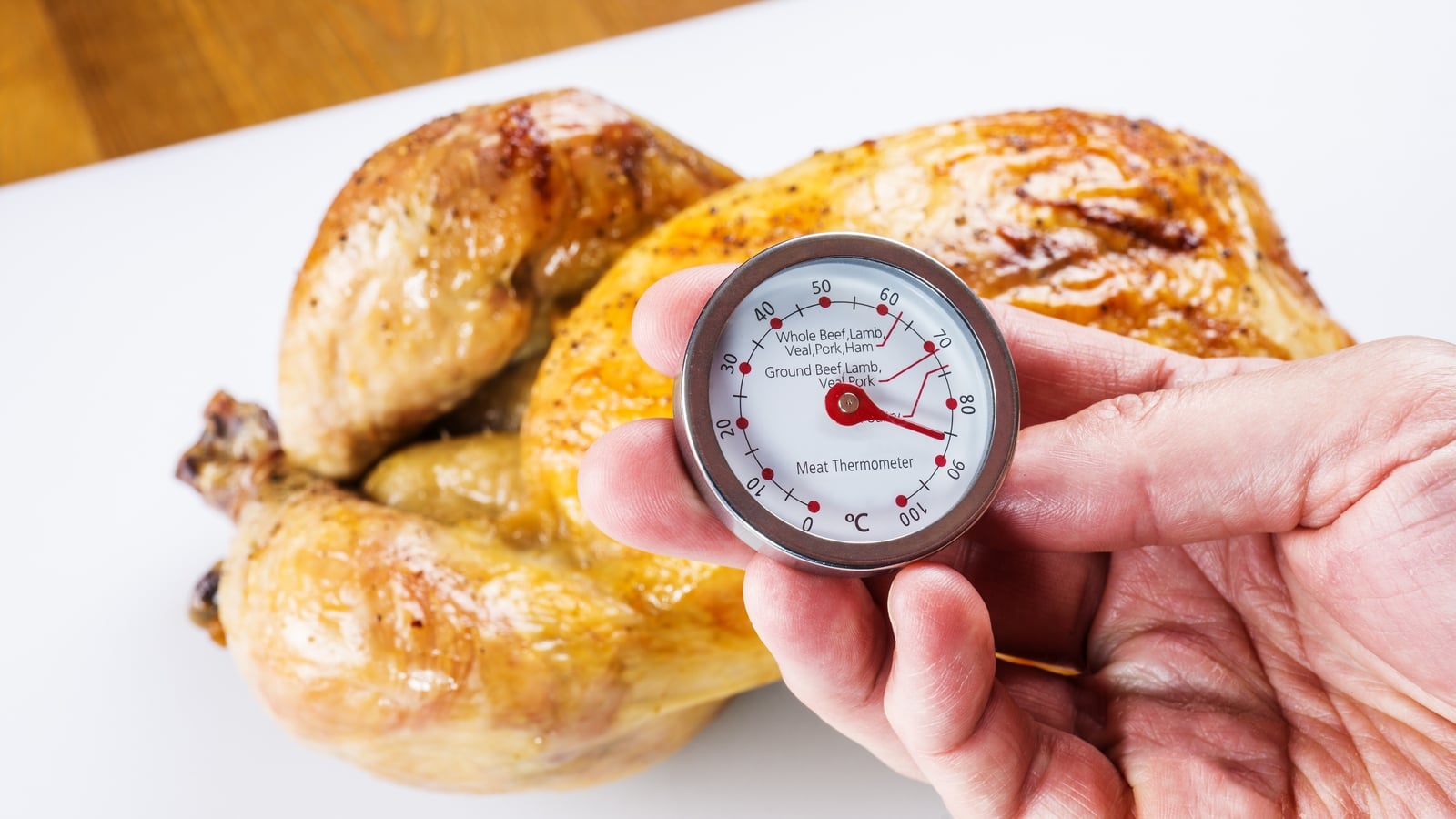
In the coming months, the incidence of these infections may continue to fluctuate based on how effectively consumers maintain safe food protocols. Basic hygiene remains the most effective defence: washing hands and surfaces, ensuring meats are cooked thoroughly, and strictly adhering to expiry dates are critical habits for reducing risk.
A possible next step in the broader fight against these pathogens involves the development of new therapeutics. Projects like LySyn, which focuses on radical new therapies against foodborne disease, suggest that the scientific community is moving toward more specialized interventions. Until these are available, public health may remain dependent on the consistent application of traditional safety measures.
Frequently Asked Questions
Who is most at risk for severe foodborne infections?
The very young, adults aged 65 and older, pregnant women, and individuals with immunocompromised systems are the most susceptible to severe outcomes from these bacterial infections.
What are the most common sources of foodborne bacteria?
Common sources include raw or undercooked poultry, unpasteurized milk, contaminated water, egg products, deli meats, seafood, and various ready-to-eat refrigerated meals.
How can consumers minimize their risk during the summer?
Consumers should maintain strict food safety habits, including washing hands and kitchen surfaces, ensuring food is cooked through, checking expiry dates, and avoiding leaving food out of the refrigerator.
What steps do you take in your own kitchen to ensure your summer meals remain safe and free from contamination?