

Melatonin Supplements: Safety Risks and the Debate Over Regulation
Walk into any U.S. Pharmacy and you will find a multicolored array of melatonin supplements marketed as sleep aids. While these products are often perceived as harmless, natural remedies, experts warn that the reality of the supplement industry is far more complex.
Because the U.S. Food and Drug Administration (FDA) classifies melatonin as a dietary supplement rather than a pharmaceutical, it is not subject to the same rigorous safety, efficacy, and manufacturing standards required for drugs. This regulatory environment leaves much of the industry to self-regulate, raising concerns among researchers about the accuracy of labelling and the potential for misuse.
The Risks of Mislabeling and Misuse
Research led by Dr. Pieter Cohen of Harvard Medical School suggests that the actual concentration of melatonin in products can vary wildly, ranging from 74% to 347% of what is stated on the label. This inconsistency is particularly concerning given that many consumers, including parents, may view the hormone as a benign “glass of warm milk.”
When taken at improper times or in unnecessarily high doses, melatonin can interfere with the body’s circadian rhythm. Margarita Dubocovich of the University at Buffalo notes that while the body produces about 0.3 mg of melatonin nightly, supplements often contain between 1 and 10 mg. Taking these doses incorrectly can lead to symptoms such as daytime drowsiness, irritability, brain fog, and insomnia.
Impact on Children and Future Considerations
The rise in the popularity of melatonin has been accompanied by an increase in calls to U.S. Poison control centres regarding accidental ingestions in children under 5. While melatonin may assist children with autism or ADHD, the long-term effects on neurotypical children remain poorly understood. Scientists are particularly concerned about the lack of data regarding how regular use might impact puberty, as melatonin plays a role in reproductive regulation.
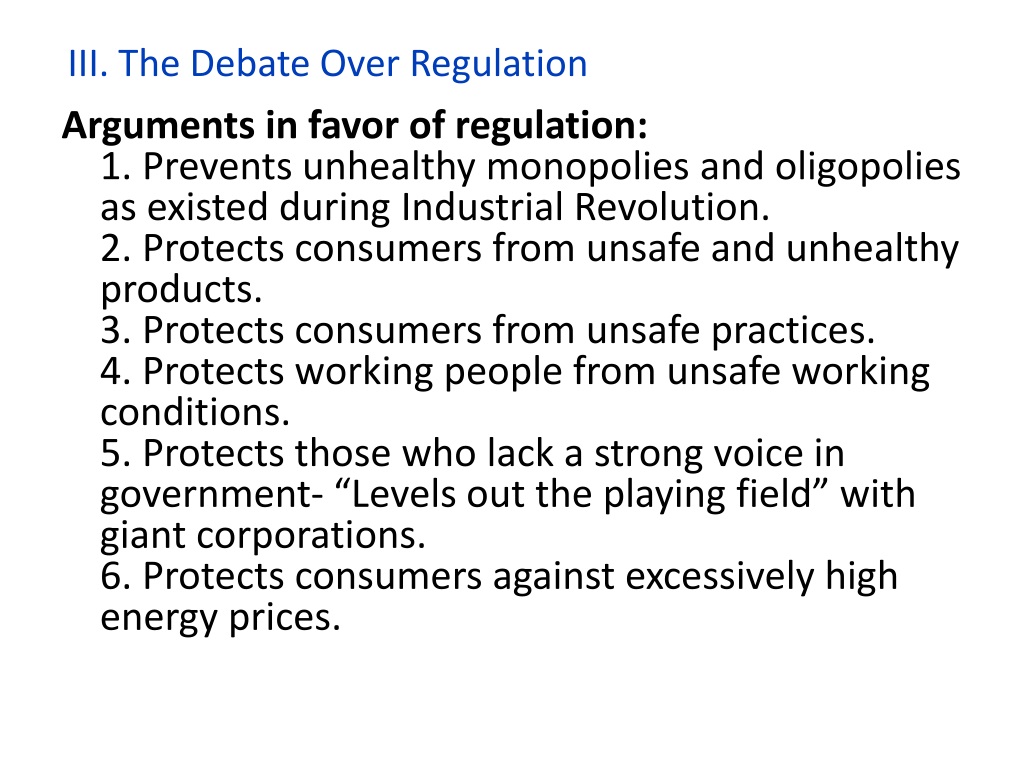
Looking ahead, it is unlikely that the regulatory status of melatonin will change soon. The supplement industry, represented by groups like the Council for Responsible Nutrition, argues that reclassification would limit consumer access and increase costs. However, some researchers advocate for a shift toward over-the-counter medication status to ensure clearer labelling and more reliable dosing.
Frequently Asked Questions
Why do some experts argue that melatonin should be regulated as a drug?
Experts like Dr. Pieter Cohen argue that reclassification would ensure clear labels, accurate dosing, and mandatory safety trials, preventing manufacturers from selling products with inconsistent concentrations.
Are there specific risks associated with melatonin use in children?
Yes, researchers are concerned about the lack of long-term safety data, the potential for accidental ingestion, and the theoretical possibility that regular use could interfere with puberty.
How can consumers identify higher-quality supplements?
Experts suggest looking for products that carry a US Pharmacopeia (USP) stamp, which verifies that the listed ingredients are accurate through a nongovernmental quality standard.
How do you approach the use of sleep aids in your own household?