
Pancreatic Cancer: Early Warning Signs and the Diabetes Connection
Fewer than 20% of pancreatic cancer patients are diagnosed in the early stages, according to recent studies. This low detection rate is driven by the organ’s deep abdominal location and a lack of effective general screening tools, which often means the disease is only identified after it has spread to other organs.
Why is pancreatic cancer so difficult to diagnose?
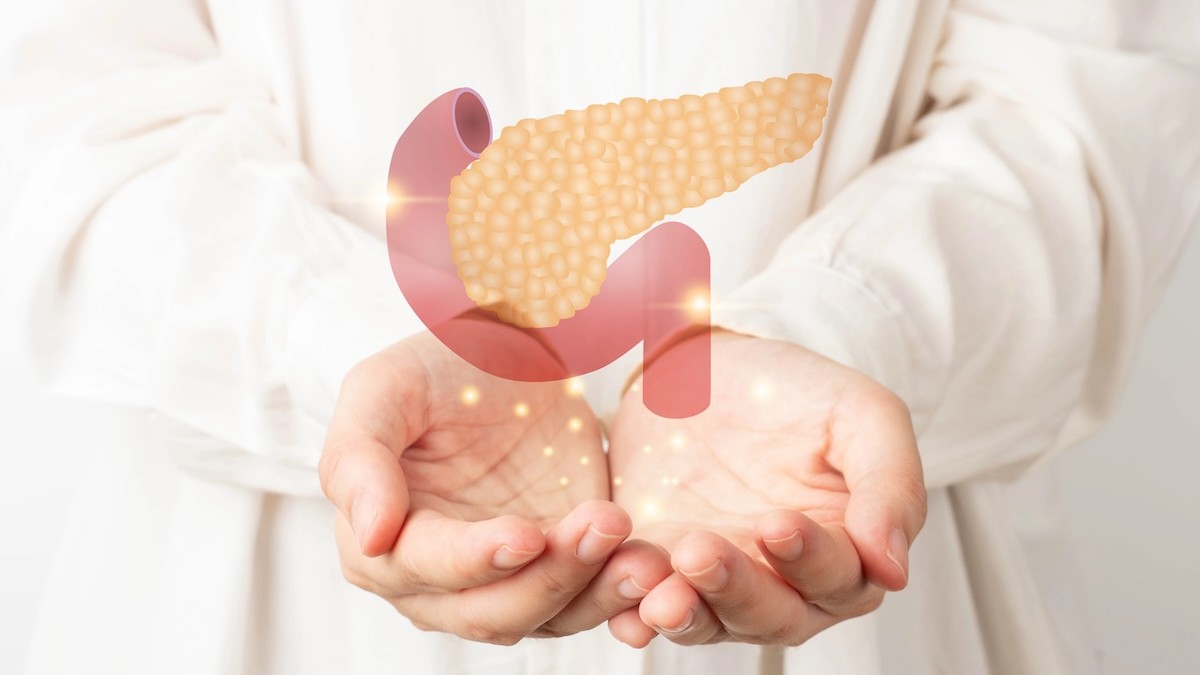
The physical position of the pancreas makes it hard to detect. Pedro Uson, an oncologist specializing in the digestive system at Einstein Hospital Israelita, states the organ sits in the retroperitoneum, a deep abdominal region behind the stomach and intestines. This placement means the pancreas is rarely visible in conventional imaging like ultrasounds, and doctors often cannot palpate lesions during physical exams.
There is also a gap in preventative testing. Cristóvam Scapulatempo Neto, medical director of pathology and genetics at Delboni (Dasa), notes that no safe and effective screening exam exists for the general asymptomatic population, unlike mammographies for breast cancer or PSA tests for prostate cancer.
Biology further complicates detection. According to Uson, the tumor is highly aggressive and can metastasize when lesions are only one to two centimeters in size. Patients often remain asymptomatic until the cancer has already spread.
What are the warning signs of pancreatic cancer?
Early symptoms are often vague and mimic common digestive issues. Uson notes that patients may experience unexplained weight loss, abdominal discomfort, dyspepsia, or changes in bowel habits, such as diarrhea. These signs are frequently mistaken for less severe conditions.
Some symptoms are more specific but still easily confused. Neto describes a “boring” pain in the pit of the stomach that feels as if it “hugs” the back. This pain typically worsens when lying down and improves when the person leans forward, leading many to mistake it for poor posture or gastritis.
Jaundice, the yellowing of the skin and eyes, is another critical sign. Uson explains that jaundice typically appears late, indicating the tumor has already obstructed the bile duct, which usually signifies an advanced stage of the disease.
How does diabetes relate to pancreatic cancer risk?
The sudden onset of diabetes in adults over 50 with no prior history, known as “new onset diabetes,” can be a warning sign. A prospective study published in 2025 in the journal Gastroenterology followed nearly 19,000 adults and confirmed a linked increase in pancreatic cancer risk within three years of a new diabetes diagnosis.
Uson distinguishes this from conventional Type 2 diabetes. While standard Type 2 diabetes is usually associated with obesity, sedentary lifestyles, and metabolic syndrome, diabetes linked to pancreatic cancer can occur alongside weight loss. He notes that a patient who is thin or losing weight while developing difficult-to-control high glucose levels presents a significant red flag.
What new treatments are showing promise?
Experimental medication may improve survival rates for specific genetic profiles. At the American Society of Clinical Oncology (ASCO) Congress, results for a drug called daraxonrasib showed a 60% reduction in the risk of death for patients with the KRAS G12 mutation.

The data indicates that daraxonrasib could double survival time compared to conventional chemotherapy. Median overall survival increased to 13.2 months for those using the drug, compared to 6.7 months for those receiving standard chemotherapy.
When should you see a doctor?
Specialists warn against ignoring recurrent clinical conditions. Uson advises that while a single episode of digestive distress might be a viral infection, recurring symptoms paired with weight loss require a specialist’s investigation.
Neto identifies several red flags that necessitate a prompt medical consultation:
- Jaundice (yellowing of skin and eyes).
- Very dark urine and pale or white stools.
- Nausea, vomiting, and abdominal pain lasting several weeks without improvement.
- Weight loss occurring without diet or exercise.
Individuals with specific risk factors—including smoking, obesity, chronic pancreatitis, or a family history of the disease—may need to be more vigilant. Neto emphasizes that investigating doubts with a trusted physician is the best preventative measure.
Frequently Asked Questions
What is “new onset diabetes” in the context of pancreatic cancer?
It is the sudden development of diabetes in individuals over 50 who have no family or personal history of the disease. According to a 2025 study in Gastroenterology, this can be associated with an elevated risk of pancreatic cancer within the following three years.
How is the pain of pancreatic cancer different from gastritis?
According to Cristóvam Scapulatempo Neto, the pain often feels like it “hugs” the back, improves when leaning forward, and worsens when lying down, which can lead to it being misidentified as gastritis or a posture problem.
What is the survival benefit of the experimental drug daraxonrasib?
Based on results presented at the ASCO Congress, daraxonrasib increased median overall survival to 13.2 months, compared to 6.7 months with conventional chemotherapy, for patients with the KRAS G12 mutation.
Do you think more awareness of “new onset diabetes” could lead to earlier cancer detection?