

Meloni contro Cortellesi: l’ira per il testo
The celebration of the Republic’s eightieth anniversary at the Quirinale Palace has sparked an unexpected political friction between the Italian government and the artistic community. During a high-profile event attended by President Sergio Mattarella, Prime Minister Giorgia Meloni, and various dignitaries, acclaimed director Paola Cortellesi delivered a monologue that honored historical female figures but notably omitted the current Prime Minister. The resulting silence on Meloni’s role as the nation’s first female head of government has left the ruling majority visibly unsettled.
The Anatomy of an Oversight
The event, designed as an open celebration for the public, featured performances by artists such as Roberto Bolle and Carlo Verdone. While the broadcast was produced by Rai Cultura and supported by Siae, the editorial control over the scripts resided firmly with the Quirinale. Specifically, the content was managed by President Mattarella’s spokesperson, Giovanni Grasso, with assistance from writer Maurizio De Giovanni.
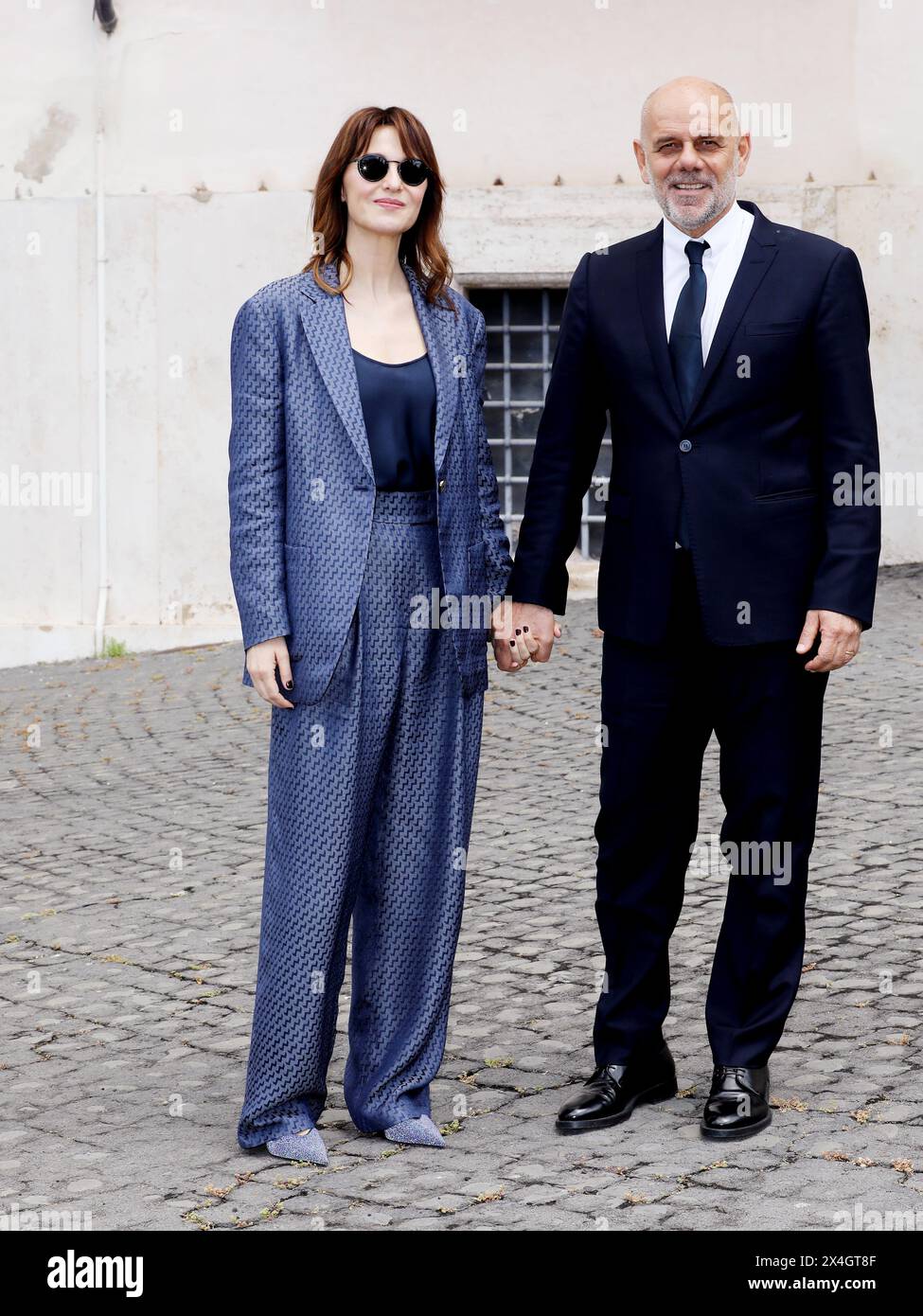
Because the event was managed directly by the “Colle,” the state broadcaster functioned primarily as a technical service provider. This hierarchy meant that even if internal teams had wished to suggest revisions—such as broadening the scope of the tribute to include the current premier—there was little room or authority to challenge the editorial direction set by the President’s office.
The Fallout and Implications
Cortellesi’s monologue, which highlighted constitutional mothers like Nilde Iotti and Teresa Mattei, included critiques regarding promises made to courageous women that remain unfulfilled. This tone, combined with the omission of her own position, reportedly caused significant annoyance for Prime Minister Meloni and her government ministers.
This situation creates a complex paradox for the national broadcaster. Despite the event’s high ratings, the network finds itself in a difficult position: it cannot claim credit for the success of the broadcast because of the political dissatisfaction it caused, yet it cannot distance itself from the production, as the editorial oversight was handled outside of its traditional channels.
What Happens Next?
Given the current frustration within the majority, it is likely that future collaborations between the government and state-led cultural events will face increased scrutiny regarding script approval processes. Analysts might expect future events to involve more robust discussions between the government and the Quirinale’s staff to avoid similar diplomatic friction.
because the government is already attributing the perceived slight to the state broadcaster, the network may face increased pressure to demonstrate more editorial oversight in future joint productions. Whether this leads to a shift in how such events are curated remains a point of significant interest for observers of Italian political and cultural life.
Frequently Asked Questions
Why was Prime Minister Meloni reportedly annoyed by the event?
The Prime Minister was reportedly annoyed because, although she is the first woman to serve as Italy’s President of the Council, she was not included in the monologue delivered by Paola Cortellesi, which focused on historical women who shaped the nation.
Who was responsible for the content of the monologue?
The script and content were managed by the President of the Republic’s office, specifically by spokesperson Giovanni Grasso and writer Maurizio De Giovanni.
What role did the state broadcaster play in the celebration?
The broadcaster acted as a technical service provider, handling the broadcast and production support, but it did not exercise editorial control over the artistic performances or the scripts.
Do you believe that high-profile artistic tributes at state events should prioritize historical context or acknowledge current political leadership?