

Mexico Faces Mounting Protests and Instability Ahead of 2026 World Cup Kickoff
As Mexico prepares to host the 2026 FIFA World Cup, the nation faces a convergence of civil unrest, deep-seated social grievances, and environmental challenges. With the opening match scheduled for June 11 at the historic Estadio Azteca in Mexico City, labor unions, families of the missing, and transport workers are signaling potential protests that could disrupt the tournament’s kickoff. The situation is further complicated by severe weather, as heavy rains continue to impact the capital’s infrastructure.
The upcoming FIFA World Cup 2026 is set to feature a massive schedule of 104 matches, with host cities including Mexico City, Monterrey, and Guadalajara.
The Scope of Social Unrest
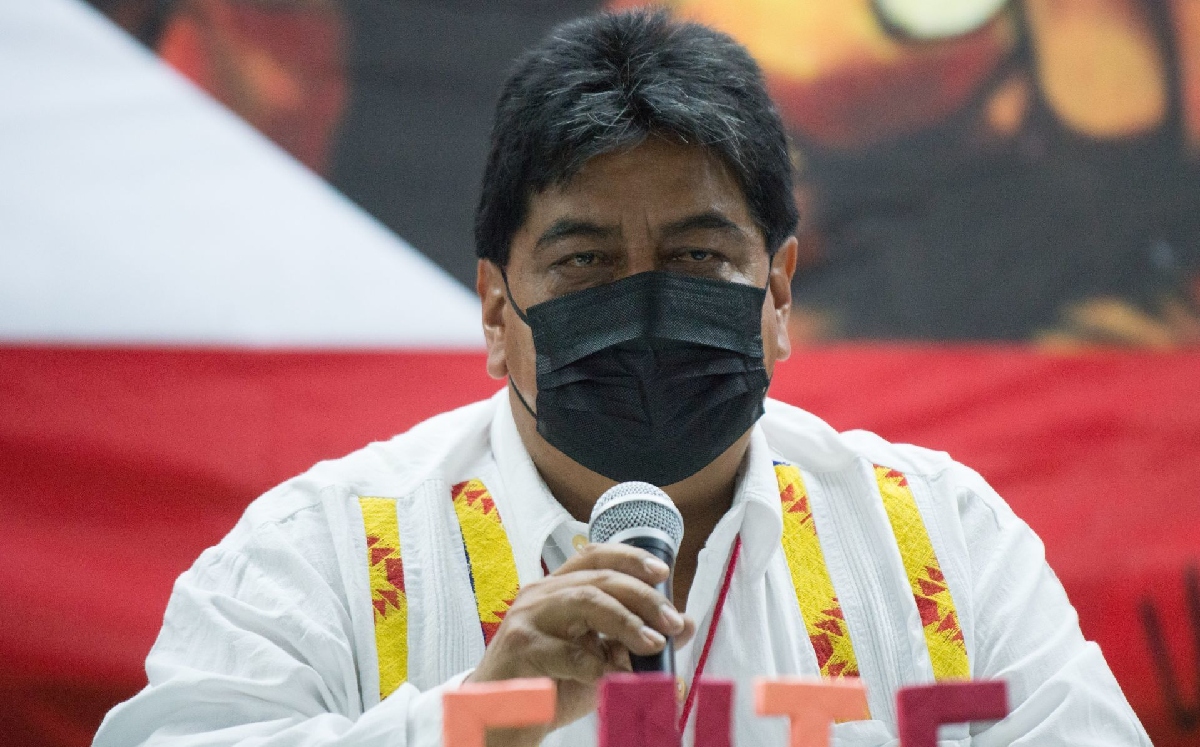
The tension in Mexico City stems from a variety of long-standing domestic issues. Union representative Pedro Hernández Morales has explicitly stated that the World Cup serves as a global platform to highlight that the country’s internal problems remain unresolved. Recent demonstrations by teachers in the capital resulted in violence, and authorities have already installed heavy metal barricades to protect tournament promotional sites.
The frustration extends to the transportation sector, where drivers face significant security risks. David Estévez Gamboa reported that 30 to 50 armed robberies of cargo trucks occur daily across the country, prompting drivers to consider blockades as a form of protest. Meanwhile, families of the disappeared—a group representing some of the 133,000 individuals reported missing—have expressed deep disillusionment, feeling their plight is being ignored in favor of the sporting spectacle.
Samantha Carter notes that the intersection of high-profile global events and local civil movements often creates a high-stakes environment for host governments. The challenge for President Claudia Sheinbaum’s administration lies in balancing the desire to project a stable international image with the reality of widespread domestic dissatisfaction, all while maintaining a stated commitment to avoid the use of force against protesters.
Potential Scenarios for the Tournament
As the June 11 opening match between Mexico and South Africa approaches, the stability of the tournament remains a point of concern. Potential disruptions could include further labor strikes or public demonstrations that might impede movement around major venues. The unpredictability of the situation is compounded by environmental factors; the Office for Integrated Risk Management and Civil Protection has warned of increased danger due to torrential rains that have already flooded roads and subway stations.
For the Czech national team, which is slated to play in Guadalajara and Mexico City, these conditions represent a significant logistical uncertainty. While the government has stated it is open to dialogue and opposes repression, the financial constraints cited by President Sheinbaum regarding union demands suggest that the underlying causes of the unrest may persist throughout the championship duration.
Frequently Asked Questions
What is the primary cause of the planned protests?
Protesters, including labor unions, transport workers, and families of the missing, are demonstrating against high crime rates, government inaction regarding 133,000 missing persons, and poor working conditions.
How has the Mexican government responded to the unrest?
President Claudia Sheinbaum has declared that her administration is open to dialogue and maintains a stance against the use of force, though she noted that meeting union demands could threaten the national budget.
What environmental factors could affect the tournament?
Mexico City has been hit by heavy rains that have already flooded roads and subway stations, with authorities issuing warnings for increased danger in specific parts of the city during the tournament kickoff.
How do you think the convergence of global sports and local political activism will shape the legacy of the 2026 tournament?