
Miami-Dade Commission finally approves mental health facility over two decades after it was promised
The Miami-Dade County Commission unanimously voted Tuesday to open the Miami Center for Mental Health and Recovery. This decision ends a two-decade delay following a 2004 voter-approved bond, aiming to transition people with mental illnesses from county jails into specialized treatment facilities.
Mayor Daniella Levine Cava credited the approval to the persistence of retired judge Steve Leifman. Leifman spent his career advocating for treatment for those in the criminal justice system. During a press conference, Levine Cava described Leifman’s dedication as that of a “Pied Piper” in getting the project across the finish line.
The center’s opening addresses a critical gap in local care. According to the source, approximately 1,000 people with mental illnesses are currently held in Miami-Dade jails without receiving necessary treatment.
Why did the Miami Center for Mental Health and Recovery take 20 years to open?
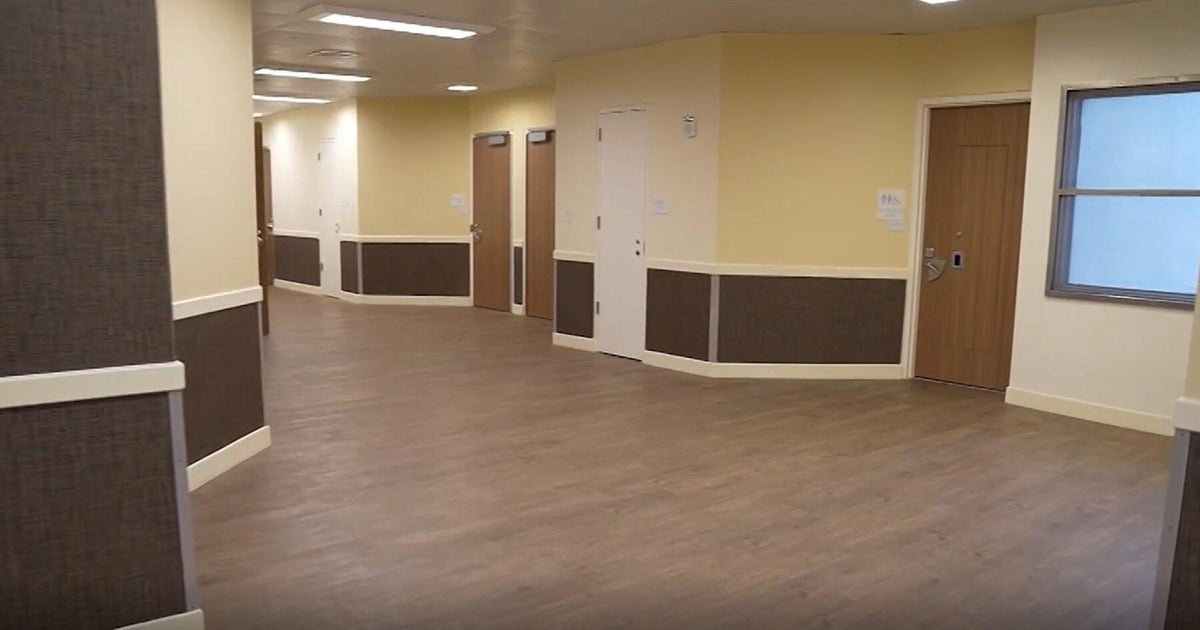
The project faced significant delays due to political friction and funding disputes. While the building was completed two years ago, it remained vacant. Commissioner Raquel Regalado sponsored the legislation to open the facility, but other officials resisted.
Chairman Anthony Rodriguez and Commissioner Danielle Cohen Higgens blocked the center from being voted on for several months. They questioned whether the county could cover a projected $12 million shortfall in five years, despite the county’s $15 billion annual budget.
Judge Leifman disputed the projected shortfall. He stated that once the center opens, the facility will be able to apply for grants and other funding sources. Leifman noted that his own fundraising efforts were hindered by the uncertainty surrounding the opening date.
What are the health implications of delaying mental health treatment?
Delayed care can lead to permanent neurological damage. Judge Leifman compared untreated psychosis to a heart attack, stating that when people go long periods without treatment, the gray matter in the brain is destroyed.
Leifman argued that the judiciary often sees the most severe cases because it is on the front lines. He claimed that as a criminal division judge, he saw more people with serious mental illnesses in a single day than most psychiatrists see in a month.
Early intervention is a key goal for the new center. Leifman stated that patients have a much better chance of recovery if they are treated early rather than sitting untreated in jail.
How did community pressure influence the final vote?
A coalition of community groups and leaders applied pressure on the commission to act. Miami Archbishop Thomas Wenski, business leaders, and homeless advocates spoke out in support of the facility.
The group PACT — People Acting for Community Together — was centrally involved. More than 800 people attended a recent forum to demand the commission open the center. Rabbi Jessica Jacobs of Temple Beth Shalom told reporters that the fight was a matter of setting priorities for the community’s most vulnerable.
Commissioner Kionne McGhee, a former prosecutor, described the vote as one of the most consequential actions the commission will take. He stated the center provides something the community “definitely need[s].”
What happens next for the facility?
The center may now begin the process of admitting patients who were previously “warehoused” in the jail system. Because funding for the first three years is already in place, the facility is likely to begin operations without immediate financial gaps.
The administration could seek additional grants to address the potential funding shortfall projected for the fifth year. If successful, this may stabilize the center’s long-term operational budget.
Frequently Asked Questions
When was the bond for the center first approved?
Voters approved the bond issue to build the Miami Center for Mental Health and Recovery in 2004.
How many people with mental illnesses are currently in Miami-Dade jails?
According to the source, there are 1,000 people with mental illnesses in the jails at any given moment.
Who is Steve Leifman?
Steve Leifman is a retired judge who spent his career fighting for care and treatment for individuals with mental illness within the criminal justice system.
Do you believe specialized recovery centers are more effective than jail-based care for the mentally ill?