
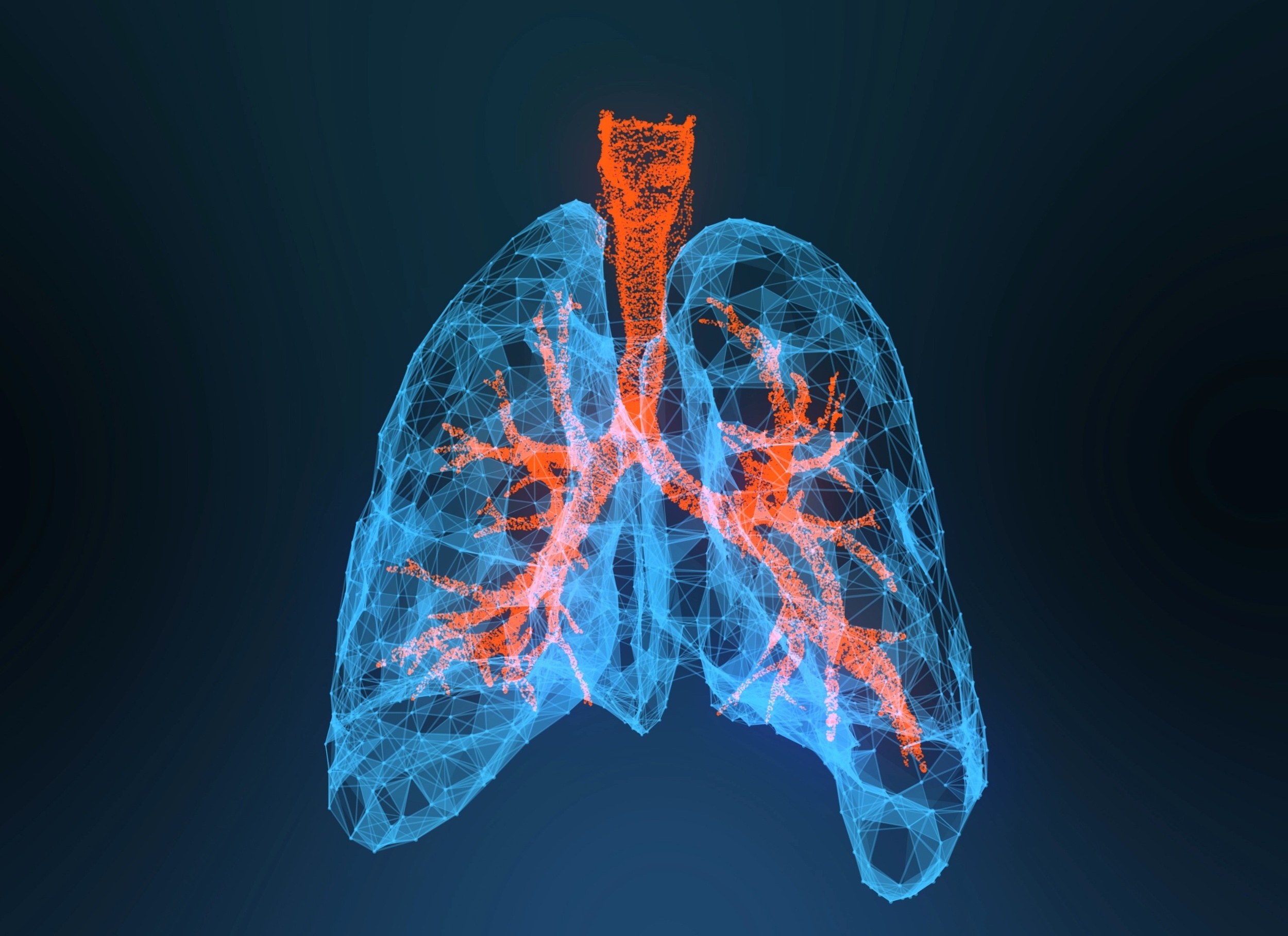
Microplastics in the lungs may make pollen allergies worse
Microplastics are increasingly being detected in unexpected areas of the human body, including blood and deep lung tissue. While previous concerns centered on the simple accumulation of these particles, new research suggests a more complex interaction with the immune system.
A study conducted by Michelle M. Epstein and her team at the Medical University of Vienna examined the effects of polyethylene terephthalate, commonly known as PET. This lightweight plastic is widely used in polyester clothing and drink bottles.
The Impact on Lung Tissue
Researchers introduced inhalable-sized PET particles into the airways of mice. After two weeks, the particles remained lodged in the lung tissue with no signs of clearing.
This persistence triggered a surge of immune cells, specifically lymphocytes and eosinophils. These are the same cells that typically flood tissue during an allergic flare-up, indicating a state of chronic inflammation.
Interaction With Allergens
The study further explored how PET particles behave when paired with ragweed pollen, a common trigger for seasonal hay fever. In certain conditions, the combination of plastic and pollen caused more airway inflammation than the pollen did alone.
This pairing reflects real-world scenarios where a single breath may contain both environmental allergens and plastic fragments. The results suggest the lungs react more strongly when both are present.
Systemic Immune Responses
Beyond the lungs, researchers delivered PET particles into the abdomen of mice to observe the overall immune response. This method revealed that the plastic also worsened inflammation in a systemic context.
The experiments showed that PET altered the antibody response to allergens. These antibodies are the essential molecules the immune system uses to identify and latch onto specific threats.
Translating Findings to Humans
The research team emphasized that these results were found in mice, not humans. Due to differences in biology and exposure methods, the findings cannot be directly applied to human exposure.
However, because PET is frequently found in human blood, the behavior observed in living lungs provides a critical signal. It suggests that inhaled plastic may not be inert debris to be stored away.
Future Directions in Research
This study, published in the Journal of Hazardous Materials Advances, provides a new path for allergy researchers. It raises the possibility that the plastic we breathe could amplify the body’s reaction to pollen.
Future investigations may look more closely at whether this interaction contributes to the decades-long rise in seasonal allergies and asthma. A possible next step involves testing these hypotheses within human populations.
Frequently Asked Questions
What is PET and where is it found?
PET, or polyethylene terephthalate, is a lightweight plastic used in the production of polyester clothing and drink bottles.
How did PET affect the mice in the study?
The particles remained in the lung tissue for two weeks, causing inflammation and increasing the presence of immune cells like lymphocytes and eosinophils.
Does this study prove that plastic causes allergies in humans?
No. The researchers stated that the findings are an early signal and cannot be directly applied to humans because the study was conducted on mice.
How do you feel about the prevalence of microplastics in everyday items?