
Microsoft Plans to Sell or Close Ninja Theory Amid Major Xbox Restructuring
Microsoft is weighing the closure or sale of several Xbox gaming studios as part of a significant business restructuring, according to reports from The Verge and Bloomberg. The company is reportedly seeking to divest from developers including Ninja Theory, with other studios like Double Fine and Compulsion Games exploring paths toward independence to avoid potential shuttering as the current fiscal year concludes.
Why is Microsoft considering the sale of Ninja Theory?
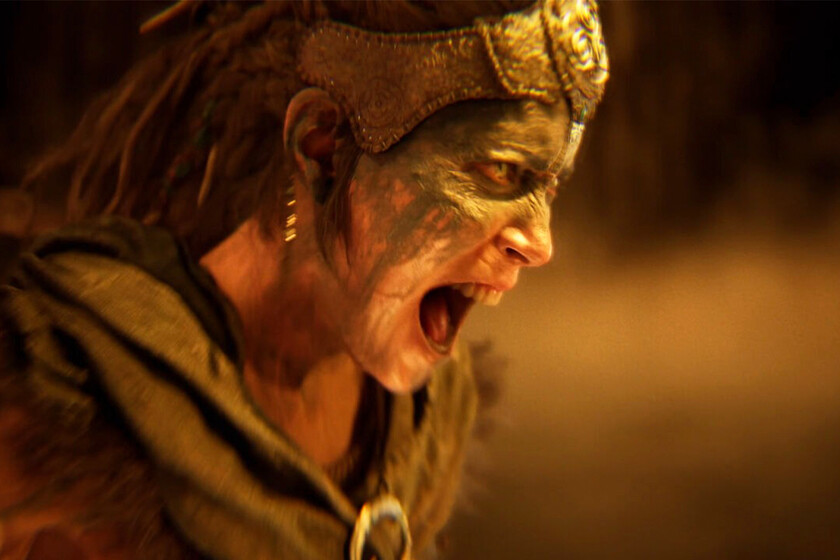
Microsoft reportedly views the announcement of new titles as a mechanism to attract potential buyers for its internal studios. According to journalist Stephen Totilo of Game File, the decision to sell or close Ninja Theory—the developer behind the Hellblade series—was made prior to the recent public unveiling of their latest project, Senua. By showcasing the game at the Xbox Games Showcase, Microsoft aimed to demonstrate the studio’s ongoing value to prospective investors.
Which other Xbox studios are facing uncertainty?
The restructuring effort extends beyond Ninja Theory. Bloomberg reports that other established teams are evaluating their futures within the Microsoft ecosystem. Specifically, Double Fine, the studio behind Psychonauts 2, and Compulsion Games, known for South of Midnight and We Happy Few, are engaged in discussions regarding a potential move to independent status. While these talks are ongoing, the possibility of permanent closures remains a documented risk for these developers as Microsoft seeks to refine its gaming division.
How does this restructuring compare to previous Xbox strategies?
This shift marks a departure from Microsoft’s aggressive acquisition strategy of recent years. While the company previously invested heavily to bolster its first-party portfolio, current reports indicate a pivot toward cost-efficiency and portfolio management. The current uncertainty follows what has been described as a “total reboot” of the Xbox business model, an effort that has seen significant capital expenditure—reportedly reaching $20 billion—aimed at stabilizing the division’s long-term viability.
When monitoring studio status, keep an eye on official fiscal year-end reports, as these often coincide with major structural announcements for large corporations like Microsoft.
Frequently Asked Questions
Will games like Senua still be released if the studio is sold?
The status of future releases depends on the terms of any potential sale or closure. According to current reports, the uncertainty surrounding studio ownership creates a risk that projects currently in development could face delays or cancellation.
Are these closures confirmed for all Xbox studios?
No. While Bloomberg reports that several studios are bracing for potential closures or transitions to independence, these actions are part of an ongoing restructuring process that will likely see more definitive updates after July.
Why are studios like Double Fine looking to become independent?
Moving toward independence is often a strategy for studios to regain creative autonomy and operational flexibility, especially when parent companies like Microsoft undergo broad, top-down business reboots that threaten the stability of individual teams.
What are your thoughts on the future of Xbox’s first-party lineup? Join the conversation in the comments section below, or subscribe to our newsletter for the latest updates on industry shifts.