
Middle East Crisis: Iran, Israel, and US Tensions Escalate
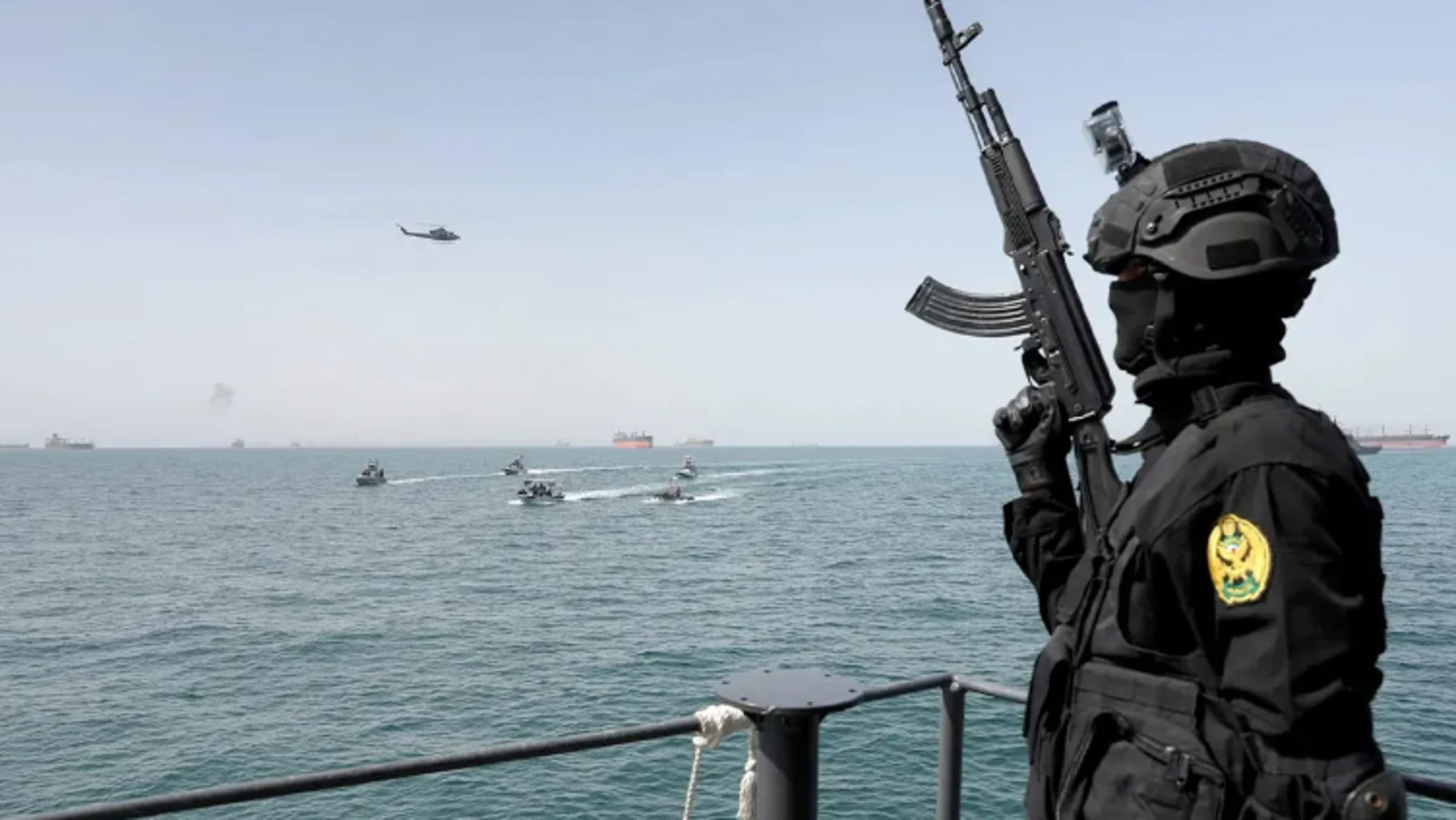
The US-Iran standoff is entering a high-risk phase as President Donald Trump imposes a 60-day deadline for negotiations, coinciding with a surge in reciprocal military strikes across the Gulf. While Washington targets Iranian surveillance infrastructure, Teheran has retaliated against Kuwait and Bahrain, creating a volatile environment where espionage allegations and the release of $24 billion in frozen assets determine the likelihood of a peace deal.
Why is the US-Iran Negotiation Window Closing?
The current diplomatic atmosphere is defined by a ticking clock. According to Al Arabiya, President Donald Trump has informed mediators that negotiations cannot exceed 60 days. This creates a “pressure cooker” scenario where Teheran must move quickly or risk further escalation.
However, the gap between demands remains wide. A high-ranking Iranian official, Mohsen Rezaei, told CNN that any peace deal hinges on the US unlocking $24 billion in frozen assets. To make matters more complex, Iranian Deputy Foreign Minister Kazem Gharibabadi stated via the Mehr news agency that Teheran expects at least half of these assets to be released immediately upon signing a memorandum of understanding.

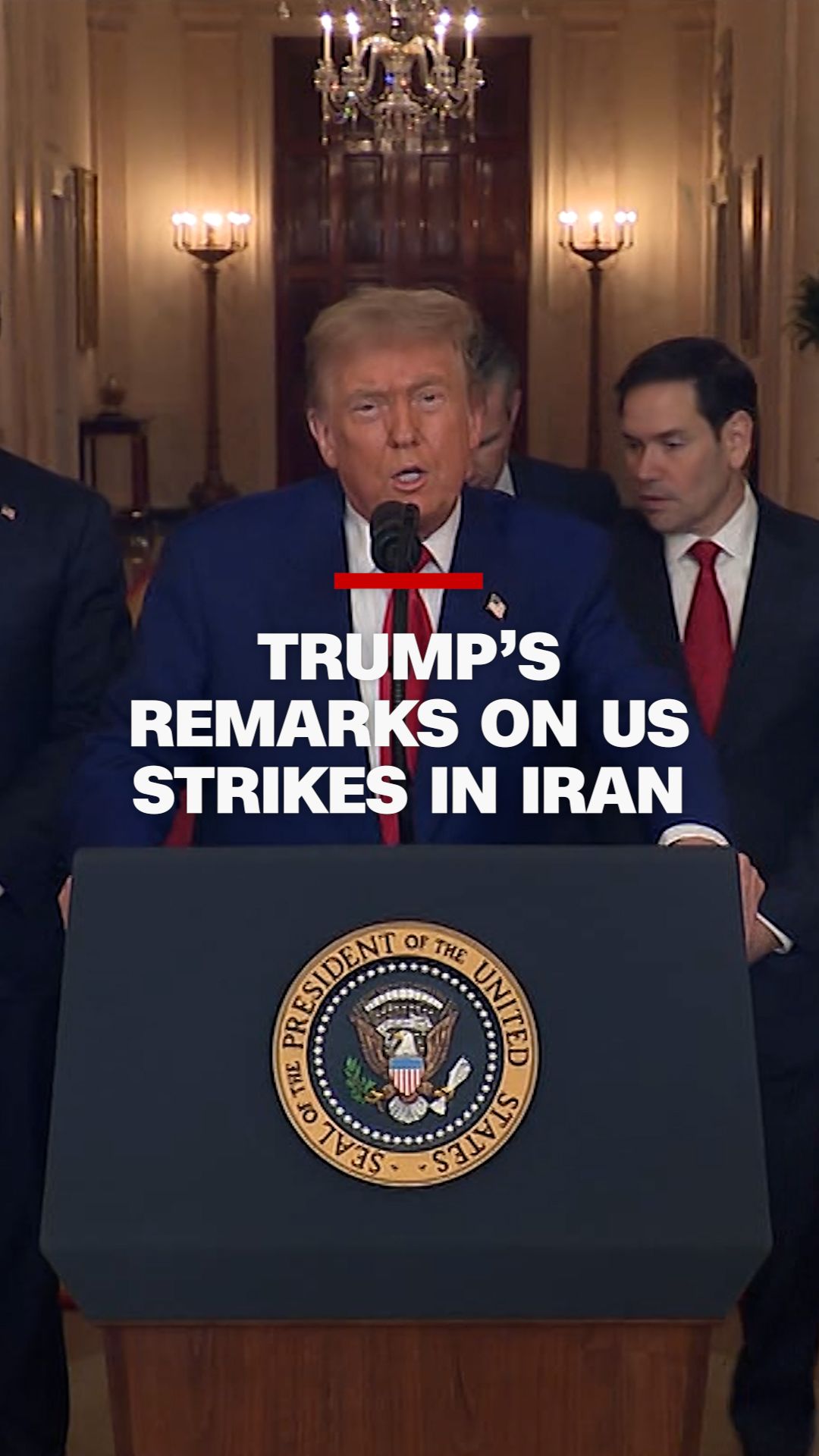
Trump’s public stance, as reported by NBC News, is that Iranian leaders are “strong and proud” but ultimately have “no choice” but to sign. He claims that while Iran still possesses roughly 21-22% of its missile arsenal, much of its drone and production capacity has been neutralized. This contrast—Trump’s insistence on Iranian weakness versus Teheran’s insistence on financial prerequisites—suggests a trend of “brinkmanship” where both sides use military threats to gain leverage at the bargaining table.
What Happens When Allies Spy on Each Other?
The relationship between the US and Israel is showing unprecedented cracks. The New York Times reports that US intelligence suspects Israel has intensified spying efforts on high-ranking American officials. Specifically, Washington is concerned about the surveillance of Steve Witkoff, Trump’s special envoy to Iran, as well as Defense policy officials Elbridge Colby and Michael P. DiMino IV.
This isn’t just a diplomatic spat. NBC News reports that the Pentagon has raised its counter-intelligence alert level regarding Israel to “critical”—the highest possible level. While the Israeli embassy has denied these claims, the friction suggests a growing divergence in how the two allies view the path toward ending the conflict with Iran.
This trend indicates a shift toward “transactional alliance” management. When the US attempts to negotiate a deal that Israel may perceive as too lenient, the risk of clandestine intelligence gathering increases. This erosion of trust could lead to slower information sharing and fragmented military coordination in the region.
How is the Conflict Shifting Toward Regional Targets?
The war is no longer confined to a direct US-Iran or Israel-Hezbollah binary. We are seeing a trend of “proxy-adjacent” escalation. In a recent series of events, Iran launched missile and drone attacks against Kuwait and Bahrain. The Bahraini military described this as a “systematic hostile approach” via Al Jazeera, while Kuwait was forced to close its international airport and divert 11 flights.
Washington is responding by arming its Gulf allies. The US recently authorized the sale of $1.98 billion in anti-drone systems to Kuwait, with the contract benefiting the defense firm Anduril. This moves the region toward a “fortress mentality,” where small Gulf states are becoming heavily militarized to survive the crossfire between Teheran and Washington.
The Lebanon Front and the “White Phosphorus” Controversy
In Lebanon, the conflict remains brutal. The New York Times recently published video evidence alleging that the IDF used white phosphorus in populated areas, including Nabatieh and Tyre. While the IDF maintains that its procedures comply with international law, the use of such incendiary weapons in dense urban zones often triggers international legal scrutiny and increases civilian casualties.

Simultaneously, the IDF reports hitting 150 Hezbollah structures over a single weekend. Iranian Foreign Minister Abbas Araghchi has urged Lebanese President Joseph Aoun to “save his country from the true enemy,” framing the conflict not as an Iranian imposition, but as an Israeli occupation. This rhetoric suggests Iran will continue to use Lebanon as a strategic shield to prevent direct attacks on its own soil.
The Role of Third-Party Mediators
As direct communication between Washington and Teheran remains fraught, Pakistan has stepped into a critical gap. Interior Minister Mohsin Naqvi recently traveled to Tehran carrying a message from Army Chief Asim Munir to Ayatollah Khamenei. This indicates a trend where “non-aligned” regional powers are becoming the primary conduits for high-stakes diplomacy.
Even the Vatican has weighed in. Pope Leo XIV recently stated that the military interventions in Iran cannot be classified as a “just war,” signaling a growing international moral pressure to find a diplomatic exit strategy before the region reaches a point of total collapse.
Frequently Asked Questions
What is the “60-day deadline” mentioned by Donald Trump?
It is a timeframe given to mediators by the US President, suggesting that Iran must reach a diplomatic agreement within two months or face unknown consequences, likely increased economic or military pressure.
Why is the use of white phosphorus in Lebanon significant?
While not illegal in all contexts, using it in densely populated areas can violate international laws of war due to the severe burns it causes and the difficulty of extinguishing the chemical fires.
Why does Iran want its frozen assets unlocked?
Iran has billions of dollars held in overseas accounts due to sanctions. Unlocking these funds—specifically the $24 billion requested—is essential for Teheran to stabilize its economy and fund its internal operations.
Stay Ahead of the Global Shift
Do you think the 60-day deadline will lead to a breakthrough or a breakdown? Let us know your thoughts in the comments below or subscribe to our geopolitical newsletter for deep-dive analysis on Middle Eastern stability.