

Military advisor to Khamenei says Donald Trump brought talks ‘to a standstill
US-Iran negotiations have hit a deadlock over the release of $24 billion in frozen assets. Mohsen Rezaei, military advisor to Iran’s Supreme Leader, told CNN that the U.S. must release these funds to break the stalemate, warning that failure could lead to expanded attacks on American bases beyond the Persian Gulf.
The tension isn’t just about diplomacy; it’s about cash and credibility. Iran has essentially set a price tag for peace, framing the return of its money as a litmus test for the Trump administration’s willingness to negotiate in good faith.
Why is the $24 billion payment a dealbreaker?
The deadlock centers on a specific financial demand: the release of $24 billion in frozen Iranian assets. According to a senior Iranian official speaking to CNN, the proposed structure is simple. Iran wants $12 billion released immediately upon signing an agreement, with the remaining $12 billion following at a later date.
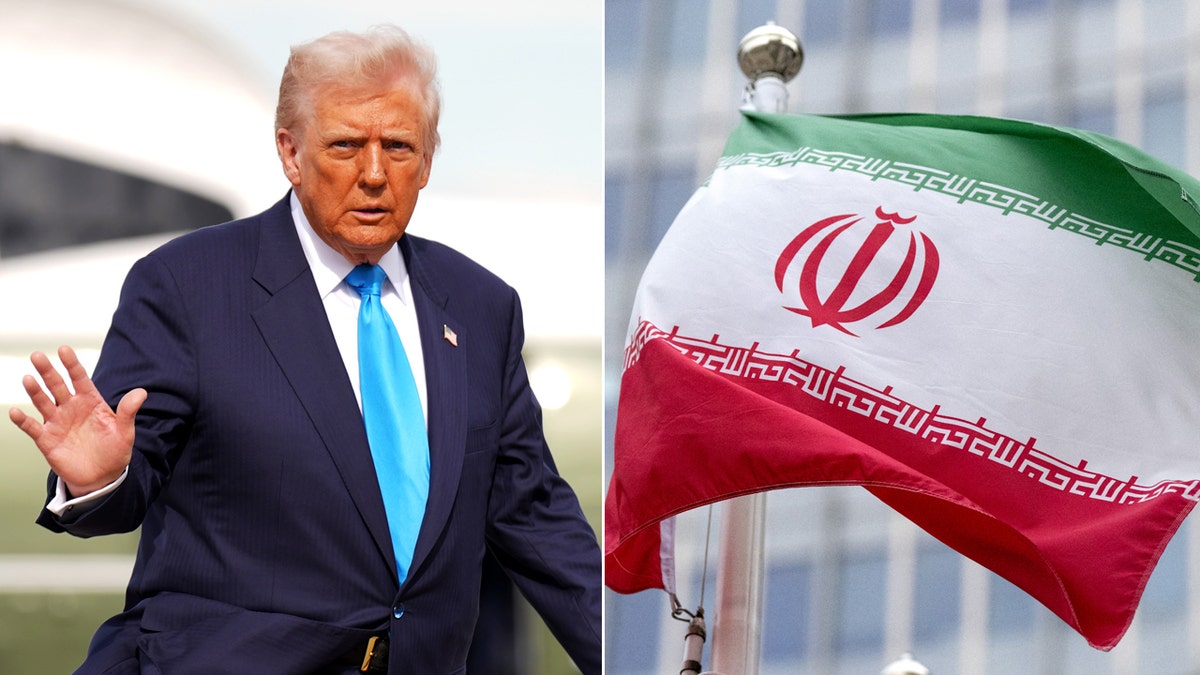
Mohsen Rezaei didn’t mince words on this point. He told CNN, “This is our own money, not America’s money.” By framing the assets as stolen property rather than a negotiation chip, Tehran is attempting to shift the moral and legal burden onto Washington.
What happens if the US refuses the terms?
If the “test” fails, the consequences could move beyond diplomatic silence. Rezaei warned CNN that the Islamic Republic is prepared to expand the scope of hostilities. He specifically mentioned attacking American bases outside the Persian Gulf if war resumes.
While Rezaei noted that the actual probability of war remains low, he made it clear that Iran’s strategy has evolved. He claims that the regime is fully prepared for a potential US ground invasion, asserting that Iran’s “land power is many times greater” than its missile capabilities.
This is a significant shift in rhetoric. For years, the world focused on Iran’s drone and missile programs. Now, Tehran is reminding the West that a ground war in its rugged terrain would be a different, and potentially more costly, beast entirely.
Why is there so little trust in the current negotiations?
The ghost of the 2015 nuclear deal haunts these talks. Rezaei expressed deep skepticism about reaching a new agreement, citing Donald Trump’s previous decision to withdraw from the original deal during his first term.

He accused the US President of using a strategy of “ambiguity” that has brought talks to a standstill. Because of this, Rezaei stated he has no interest in meeting with Trump personally. The lack of trust is systemic; Iran views the US as an unreliable partner that can erase a signed treaty with a single executive order.
How does the “maintenance fee” for the Strait of Hormuz fit in?
Beyond the nuclear deadlock, Iran is asserting its dominance over global shipping lanes. Rezaei emphasized that Iran and Oman maintain sovereignty over the Strait of Hormuz. He described the regime’s demand for ships to pay a passage toll not as a political move, but as a “maintenance fee.”

This claim is a direct challenge to the principle of “freedom of navigation” upheld by the US Navy. By rebranding a toll as a maintenance fee, Iran is attempting to normalize its control over the waterway, turning a geopolitical flashpoint into a commercial transaction.
Comparing Iran’s current stance to previous conflicts
Interestingly, Rezaei views the recent conflict as a turning point in Iranian history. He told CNN that the regime has emerged victorious, marking the first time Iran has “won” a war. He candidly admitted that in previous conflicts, Iran had always been defeated.
This perception of victory likely fuels the current boldness in negotiations. If the Iranian leadership believes their military strategy is finally working, they’re less likely to compromise on the $24 billion demand. They no longer see themselves as the underdog, but as a regional power capable of dictating terms.
Frequently Asked Questions
How much money does Iran want from the US?
Iran is demanding the release of $24 billion in frozen assets, with $12 billion to be paid upon the signing of an agreement.
What is the “maintenance fee” in the Strait of Hormuz?
It is a passage toll that Iran wants shipping vessels to pay, claiming sovereignty over the waterway alongside Oman.
Is a US ground invasion of Iran likely?
While not currently imminent, Mohsen Rezaei told CNN that Iran is prepared for such a scenario, claiming their land power exceeds their missile capabilities.
For more analysis on Middle East geopolitics and the latest on US-Iran diplomatic tensions, stay tuned to our deep-dive reports.
What do you think?
Should the US release the frozen assets to avoid a wider conflict, or is that simply rewarding aggression? Let us know your thoughts in the comments below or subscribe to our newsletter for weekly geopolitical briefings.