

Mini MBA Guide: Pros, Cons, and How to Choose the Right Program
Mini MBA programs are condensed management courses that provide core business fundamentals—strategy, finance, and leadership—without the time or cost of a full degree. According to Forbes, these programs offer a fraction of the investment of a traditional MBA, though they do not grant internationally recognized academic degrees.
Why are professionals choosing Mini MBAs over traditional degrees?
Flexibility is the primary driver. Most programs operate part-time or fully online, allowing workers to balance studies with family and career commitments. Unlike a two-year full-time degree, Mini MBAs focus on immediate practical application through case studies and management tools that can be used in daily operations.
These programs act as a bridge for professionals stepping into management for the first time. They provide a structured introduction to leadership and a broad perspective on how organizations operate as a whole. While a full MBA signals long-term academic commitment, the Mini MBA signals a desire for rapid skill acquisition.
How do Mini MBAs compare to Executive Education?
The distinction lies in scope and target audience. Mini MBAs are generalist programs covering a wide array of disciplines including marketing, finance, and organizational management. Executive Education programs, by contrast, are designed for experienced managers and typically focus on specific, high-level niches.
| Feature | Mini MBA | Executive Education |
|---|---|---|
| Scope | Broad (General Management) | Specialized (Niche focus) |
| Goal | Foundational leadership skills | Advanced executive refinement |
| Audience | New or aspiring managers | Experienced executives |
What are the risks of choosing a low-cost online Mini MBA?
Quality varies significantly between providers. Certificates from established business schools carry more credibility than low-cost courses from platforms like Udemy or Coursera that lack academic involvement. The most significant drawback is the lack of an internationally recognized degree, which may not satisfy employers with strict credential requirements.
Networking is another critical gap. Traditional MBAs offer access to an international network of alumni and industry leaders. Mini MBAs generally provide fewer opportunities for this kind of high-level connection, limiting their “signaling value” in the job market.
Where can you find reputable Mini MBA providers?
Options range from specialized technical programs to prestigious global universities. In Germany, RWTH Business School offers a Mini MBA specifically for technical professionals, while Goethe Business School focuses on general management. Other flexible digital options include AKAD University and Munich Business School.
On the international stage, institutions like the London School of Economics (LSE), Oxford Saïd Business School, and INSEAD provide condensed programs. These carry higher prestige and typically involve faculty who are recognized experts in their fields.
What future trends will shape management education?
The trend toward “stackable” credentials is likely to grow. To solve the “no degree” problem, more institutions may allow Mini MBA credits to count toward a full MBA or Master’s degree later. This creates a low-risk entry point for students who aren’t ready for a full commitment.
We’re also seeing a shift toward hybrid specialization. Following the model of RWTH Business School, more programs will likely merge general management with technical expertise—such as AI management or sustainable operations—to provide more specific value than a generalist certificate.
Frequently Asked Questions
Does a Mini MBA count as a degree?
No. It is a certificate of completion and does not grant an academic degree.
Is a Mini MBA worth it for my career?
It’s valuable for professional development and immediate skill application, but it doesn’t have the same signaling power as a full MBA from a top-tier school.
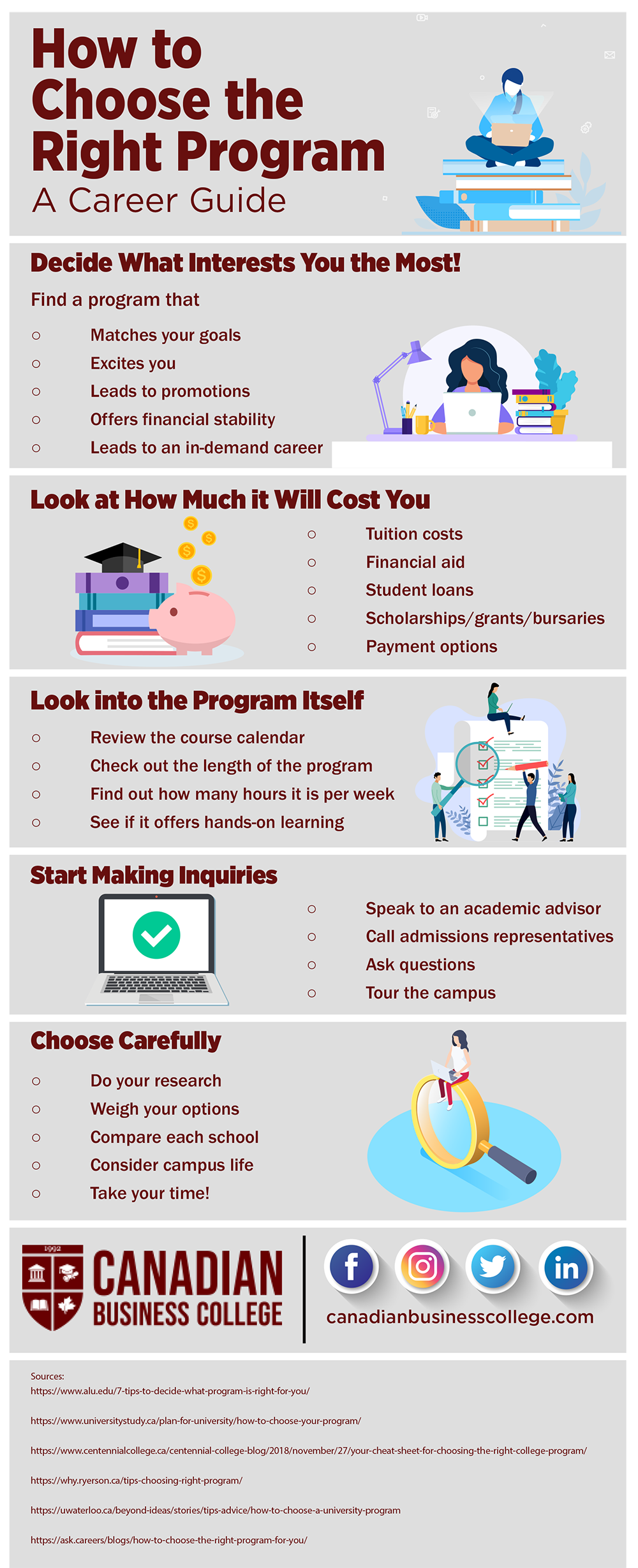
What should I look for in a high-quality program?
Check for faculty credentials, institutional reputation, and a curriculum that covers strategy, finance, marketing, and leadership.
Ready to level up your leadership?
Share your thoughts in the comments: Would you prefer a fast-tracked Mini MBA or the prestige of a full degree? Subscribe to our newsletter for more insights on executive education.