

Minneapolis Clinic Opening First Out of Hospital SAFE Room for Sexual Assault Survivors
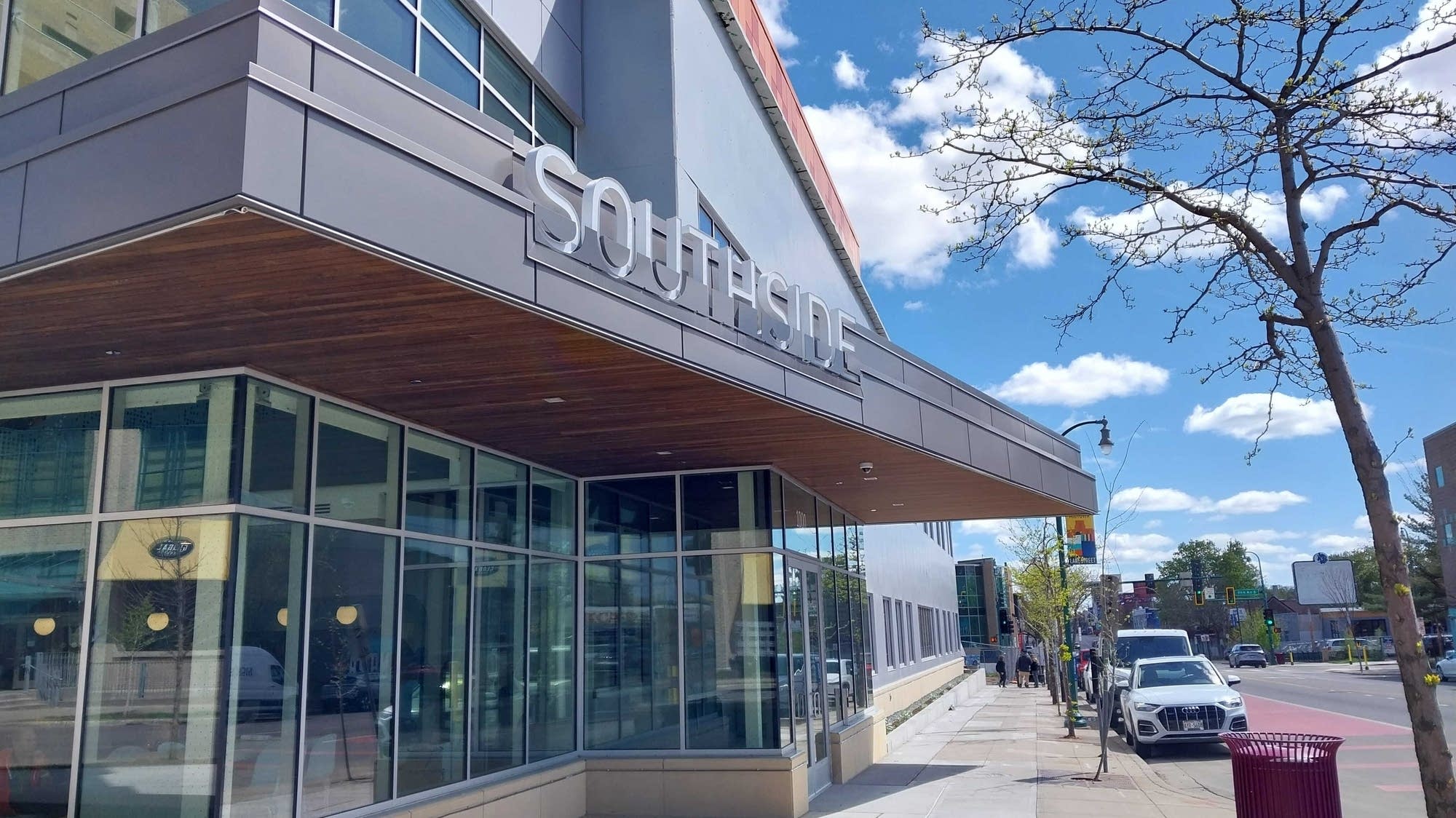
Southside Community Health Services is opening Minnesota’s first out-of-hospital Sexual Assault Forensic Exam (SAFE) Room on July 6. Located on East Lake Street next to the Midtown Global Market, the center provides forensic exams and trauma-informed care in a community setting rather than an emergency department, according to Medical Director Sheila Kennedy.
Kennedy said the project took years to develop. She stated this is the only out-of-hospital safe room in the Twin Cities and expressed hope that it will serve as a model for other regions to replicate.
Why is an out-of-hospital SAFE room necessary?
The SAFE Room addresses gaps in how survivors access immediate medical attention. According to Kennedy, many survivors avoid emergency departments due to mistrust of the medical system, fear of security guards, language barriers, and financial concerns.

Kennedy noted that documentation status and fear of legal trouble also deter people from seeking hospital care. This includes adolescents who may have been drinking or individuals using drugs who wish to avoid detection.
The clinic also aims to fix a lack of follow-up care. Kennedy said survivors often lack ongoing medical or emotional support in the critical weeks following an assault, but this center will guide them through the recovery process.
What services does the SAFE room provide?
Southside is partnering with the Hennepin Assault Response Team (HART) of Hennepin Healthcare to conduct exams. Forensic Nurse Manager Breanna Heisterkamp said trained forensic nurse examiners provide trauma-informed care.

According to Heisterkamp, services include:
- Evidence collection
- Documentation of injuries
- Documentation of the event in the survivor’s own words
- Psychosocial support
- Medical care, including STD prevention
Heisterkamp stated that the goal is to return control to the survivor. She said patients decide what happens during the exam and nothing is forced.
How is the care environment managed?
The facility is designed to feel different from the pace of an emergency department. Kennedy said the room includes dimmable lights, a sound machine, plants, aromatherapy, blankets, and weighted warming pillows.
The center also allows for smudging to be inclusive of different needs. Heisterkamp added that care is tailored to the individual; some survivors may choose not to collect an evidence kit and instead focus on resources and conversation.
HART will provide 24/7 coverage. Kennedy confirmed that survivors are not required to report to police to receive an exam, and law enforcement is not permitted in the exam rooms with survivors.
How is the clinic funded?
The clinic does not receive state or federal funding. Kennedy said the project received an early donation from the WCA Foundation.
Individuals interested in supporting the center can contact Medical Director Sheila Kennedy or Executive Director Ann Cazaban via email.
What may happen next?
As the first facility of its kind in the state, the center’s operations could provide data on how community-based forensic care affects survivor reporting and recovery rates. If successful, Kennedy suggested this model may be replicated in other areas.
Frequently Asked Questions
When does the SAFE Room open?
The clinic begins offering services on July 6.
Do I have to call the police to get an exam?
No. According to Medical Director Sheila Kennedy, survivors do not have to report to police to receive an exam.
Who performs the forensic exams?
Exams are provided by the Hennepin Assault Response Team (HART) of Hennepin Healthcare.
For those seeking immediate help, the RAINN National Sexual Assault Hotline is available at 800-656-HOPE or by texting HOPE to 64673.
How do you think community-based clinics change the way people access critical healthcare?