
Russia Considers Diesel Export Ban Amid Fuel Shortages
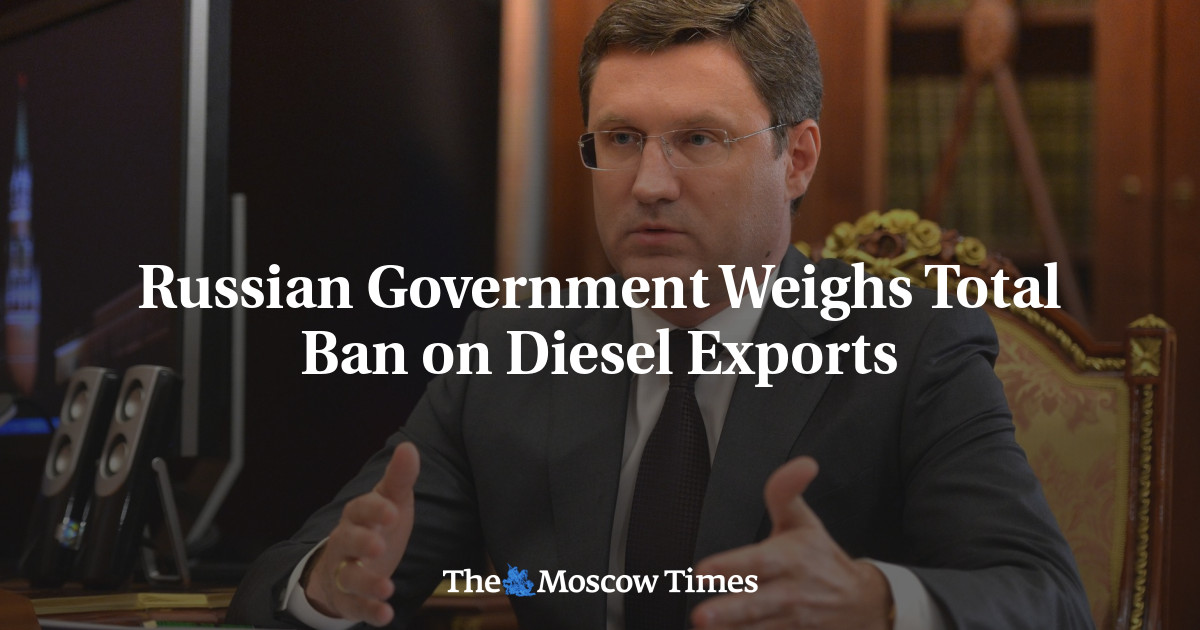
Russia is weighing a total ban on diesel exports to combat domestic fuel shortages and rising prices caused by Ukrainian drone strikes on oil refineries. Deputy Prime Minister Alexander Novak confirmed Tuesday that the government is considering the measure after refinery capacities were maxed out and regional rationing began.
Why is Russia considering a diesel export ban?
Ukrainian drone attacks on oil refineries and supply networks have disrupted Russia’s domestic fuel production. The Energy Ministry recently acknowledged for the first time that these strikes are directly responsible for “difficulties” in the fuel market. According to Deputy Prime Minister Alexander Novak, refineries have maxed out their capacity, and the government has been forced to postpone scheduled maintenance to keep plants running.
The situation has shifted rapidly. Earlier this month, Novak stated there was no immediate need for a blanket diesel ban. By Tuesday, however, he told President Vladimir Putin and senior officials that a total ban is now being weighed alongside existing restrictions on jet fuel and gasoline.
How are fuel shortages impacting the Russian public?
Fuel availability has become unstable during the peak agricultural farming and summer travel seasons. Independent media reports indicate that nearly two dozen regions have already introduced restrictions on gasoline and diesel purchases.
Prices are climbing. The average price of gasoline in Russia has risen 6.6% since the start of the year. As of June 15, national averages hit 69.11 rubles per liter ($3.56 per gallon), following a sharp single-week jump. Novak described these disruptions as “occasional delivery hiccups” at specific stations, though regional rationing suggests a more systemic issue.
What measures is the Kremlin taking to stabilize supply?
The Russian government is pursuing three primary strategies to prevent a total market collapse: legislative subsidies, industry task forces, and structural distribution changes.
Importing fuel from Asia
Russia is turning to foreign markets to fill the gap. Industry sources told Reuters that Russia will begin importing fuel from Asia by sea this month. To fund this, the RBC news outlet reported that the State Duma is fast-tracking tax legislation to create government subsidies specifically for gasoline imports from India.
Structural reforms proposed by Rosneft
Rosneft CEO Igor Sechin has urged President Putin to overhaul how fuel is distributed. In a May letter reported by Kommersant, Sechin proposed several aggressive measures:
- Crude Mandates: Force all oil companies to route at least 30% of raw crude directly to domestic refineries.
- Exchange Pause: Stop the requirement for companies to sell top-tier fuel on public exchanges to prevent middlemen from hoarding stock for profit.
- Emergency Fuel: Require refineries producing lower-grade emergency fuel to sell 100% of it publicly, with priority given to everyday consumers.
Industry-wide task force
The Energy Ministry has established a task force with the nation’s largest energy corporations. This group is charged with ensuring the “stable and efficient operation” of the energy sector amid ongoing infrastructure attacks.
Comparison: Changing Government Stance
The urgency of the crisis is evident in the contrast between official statements issued over a few weeks:
| Timeline | Official Position (Novak) | Market Reality |
|---|---|---|
| Early June | No immediate need for diesel ban. | Rising drone strike frequency. |
| Mid-June | Total ban is being weighed. | 25% drop in gasoline output (Reuters). |
Frequently Asked Questions
Why is diesel specifically targeted for a ban?
Diesel is critical for the agricultural sector and heavy transport. With the farming season in full swing, the government must prioritize domestic food production over export revenues.
Where is Russia importing fuel from?
According to Reuters and RBC, Russia is looking toward Asia, specifically India, to import gasoline and diesel via sea routes.
How have Ukrainian drones affected production?
Strikes have targeted refineries and supply lines, halting or scaling back production at facilities that provide a significant portion of Russia’s gasoline output.
What do you think about Russia’s shift toward fuel imports from India? Let us know in the comments below or subscribe to our newsletter for more updates on global energy markets.