
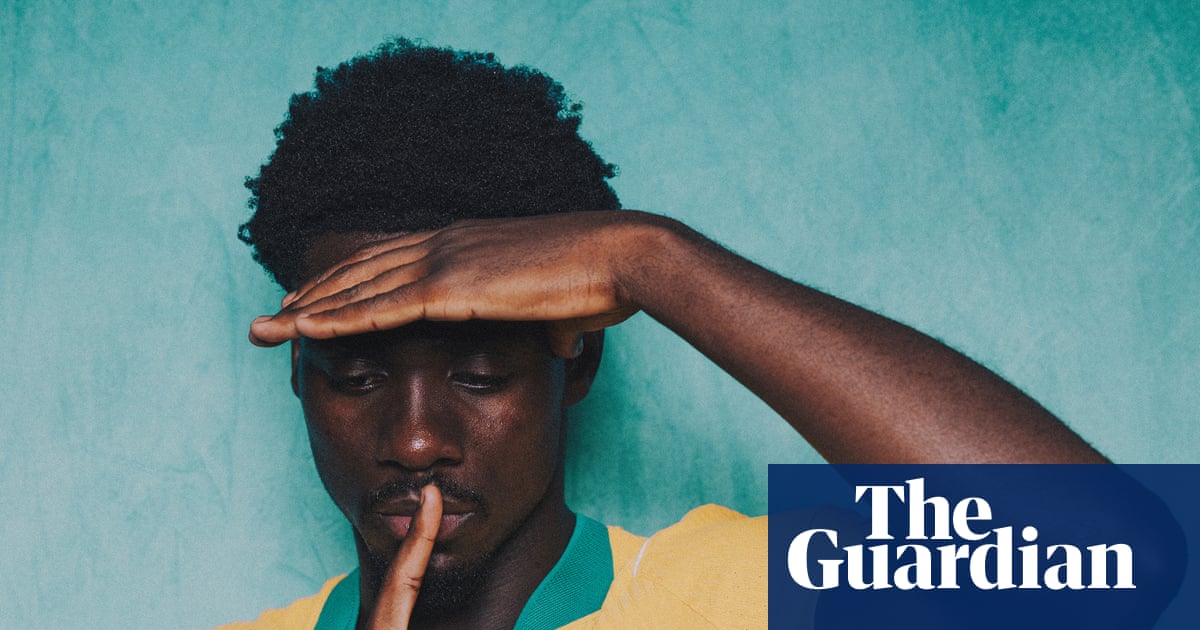
Mo Touré: The Struggle Behind His Socceroos Career
Mo Touré, a striker for the Socceroos, is one of four refugees in the Australian national football squad highlighting the impact of humanitarian migration. Touré and his family settled in Adelaide in 2004 after his father, Amara, fled the 1989 Liberian civil war.
How did Mo Touré reach the World Cup?
Mo Touré wears the No. 9 jersey for the Socceroos and recently played a key role in a match against Turkey in Vancouver. He arrived in Australia as a seven-month-old infant in 2004 on a humanitarian visa. The family settled in Croydon, a suburb in Adelaide’s inner-west.
Touré describes his childhood as a period of struggle. He recalls times when neighbors received treats or possessions that his family couldn’t afford. He says he didn’t understand these hardships at the time, but now recognizes that “life was hard” for his parents.
His parents supported the football ambitions of three sons. Al Hassan now plays for Sydney FC and debuted for the Socceroos last year in a friendly against Venezuela. A younger brother, Musa, plays for Randers in Denmark.
What is the background of the Touré family?
The family’s journey began in 1989 when war broke out in Liberia. Amara Touré says everything went “helter-skelter” and Liberians ran for their lives. He fled with his adult sister and little brother.
Amara spent nearly 14 years in Guinea. He initially received food, a tent, and a mosquito net from the UNHCR. He describes football as his “sanctuary” and the only place where he felt he could demand respect during those constrained years.
Amara and Mawa Touré met at age 20. After the birth of their sons, they migrated to Australia. Amara says wearing the “green and gold” is the greatest thing he can see his children do.
Who are the other refugee players in the squad?
Touré is one of four refugees currently in the Socceroos squad. The others are Nestory Irankunda, Awer Mabil, and Milos Degenek.
The group has contributed to a Socceroos video promoting cultural diversity. These players have come into the spotlight during refugee week, which concludes with the United Nations’ world refugee day on Sunday.
The Touré family also works with the charity Australia for UNHCR to support displaced people. Mo Touré says they share their family’s trauma willingly because similar stories are common within the African community.
What may happen next for these athletes?
The visibility of these players during world refugee day could lead to increased awareness of the challenges faced by displaced people. The partnership between the Touré family and Australia for UNHCR may continue to provide a platform for retelling migration stories.
As Al Hassan and Mo Touré both hold positions within the national team framework, they could continue to serve as examples of the “freedom” and opportunity Touré attributes to living in Australia.
Frequently Asked Questions
Which four Socceroos players are refugees?
The four players are Mo Touré, Nestory Irankunda, Awer Mabil, and Milos Degenek.
Where did the Touré family live before moving to Australia?
Amara Touré lived in Guinea for almost 14 years after fleeing Liberia.
Which clubs do Mo Touré’s brothers play for?
Al Hassan plays for Sydney FC and Musa plays for Randers in Denmark.
How do you think the visibility of refugee athletes impacts the perception of cultural diversity in professional sports?