

Montreal Canadiens: The Future of Arber Xhekaj and Kirby Dach
The RFA Tightrope: Balancing Young Talent and the Salary Cap
For any NHL general manager, July 1 isn’t just a date on the calendar—it’s a high-stakes game of financial Tetris. When players like Arber Xhekaj and Kirby Dach hit Restricted Free Agency (RFA), the conversation shifts from on-ice performance to the cold, hard reality of the salary cap.
The challenge for the Montreal Canadiens is a common trend across the league: the “bridge deal” dilemma. Teams must decide whether to lock in a young player with a long-term commitment or offer a shorter, cheaper contract to see if the player’s ceiling is truly as high as hoped.
With the 2026-2027 season bringing increased cap pressure, the Canadiens are facing a crossroads. Every single million allocated to a depth piece is a million that cannot be used to lure a marquee free agent or retain a superstar. This financial squeeze often leads to the “murky” futures we see with players who provide value but don’t necessarily fit into the top-six forward or top-four defensive rotations.
The Identity Crisis: Does the ‘Heavy’ Game Still Work?
The decision to make Arber Xhekaj a healthy scratch for five consecutive games during the Eastern Conference final against the Carolina Hurricanes sends a loud message about the evolution of the game. Xhekaj represents the classic “heavy” player—someone whose primary value is physicality and intimidation.
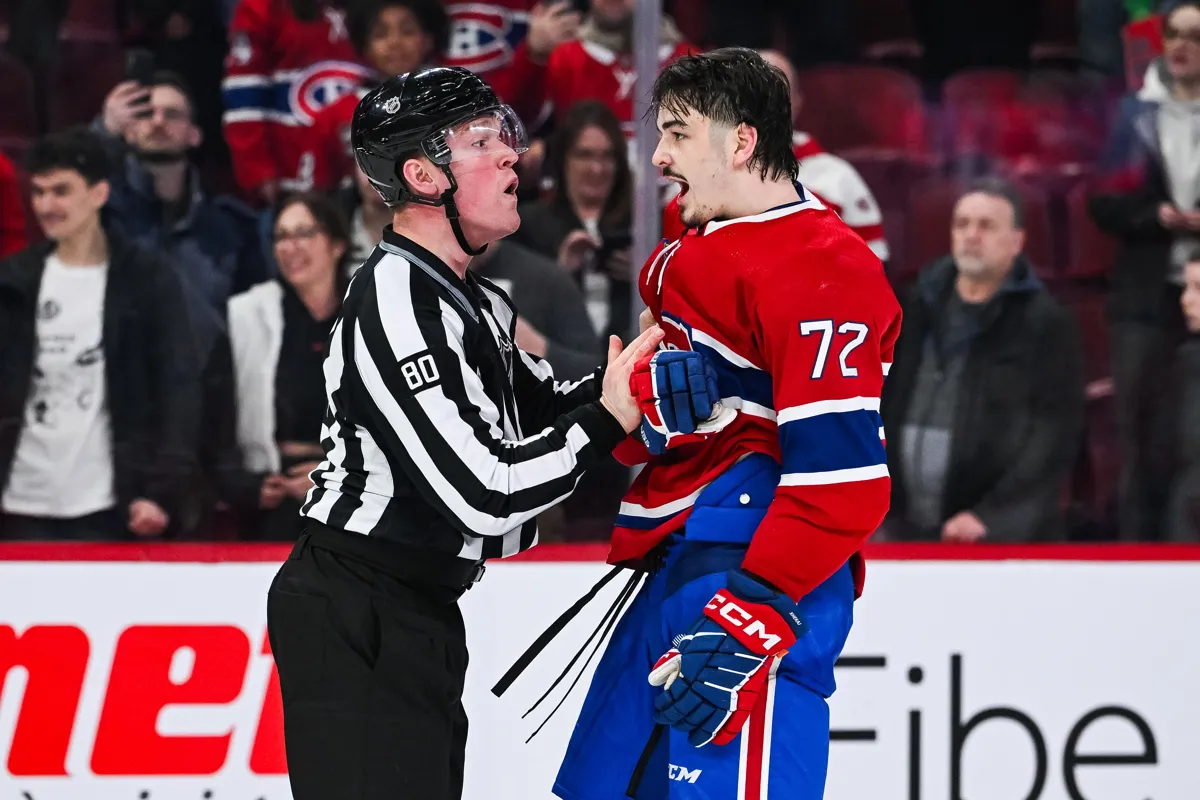
However, the trend in the NHL is leaning heavily toward speed, puck possession, and versatility. In a playoff series against a structured, fast team like Carolina, a specialist who cannot contribute to the transition game becomes a liability. The “enforcer” role has evolved; it is no longer enough to be the toughest player on the ice; you must be a functional piece of the system.
This creates a fascinating tension in roster construction. While fans love the grit and the fights, coaches like Martin St. Louis prioritize the “flow” of the game. If a player’s physical presence doesn’t translate into puck recovery or defensive stability, they find themselves in the press box.
High-Risk, High-Reward: The Kirby Dach Gamble
If Xhekaj represents the struggle of the specialist, Kirby Dach represents the struggle of the “injured ceiling.” Dach possesses the size and skill set of a true #1 centre, a rarity in the modern draft. But injuries have hampered his ability to establish a rhythm.
The trend for players in Dach’s position is a shift toward “load management” and specialized recovery protocols. The Canadiens are betting on the version of Dach that can dominate the centre of the ice. When he is healthy, he changes the geometry of the game, forcing opponents to defend more space.
The debate among fans—whether to prioritize Dach’s skill or Xhekaj’s grit—is a microcosm of the broader NHL debate. Are we entering an era where skill completely eclipses toughness, or will the playoffs eventually demand a return to the “heavy” style of the 1980s and 90s?
The Modern Roster Blueprint
Looking forward, the most successful teams are building “hybrid” players. The league is moving away from the pure enforcer and the pure finesse player. Instead, they want “power forwards”—players who can hit like Xhekaj but possess the hockey IQ and playmaking ability of a Dach.
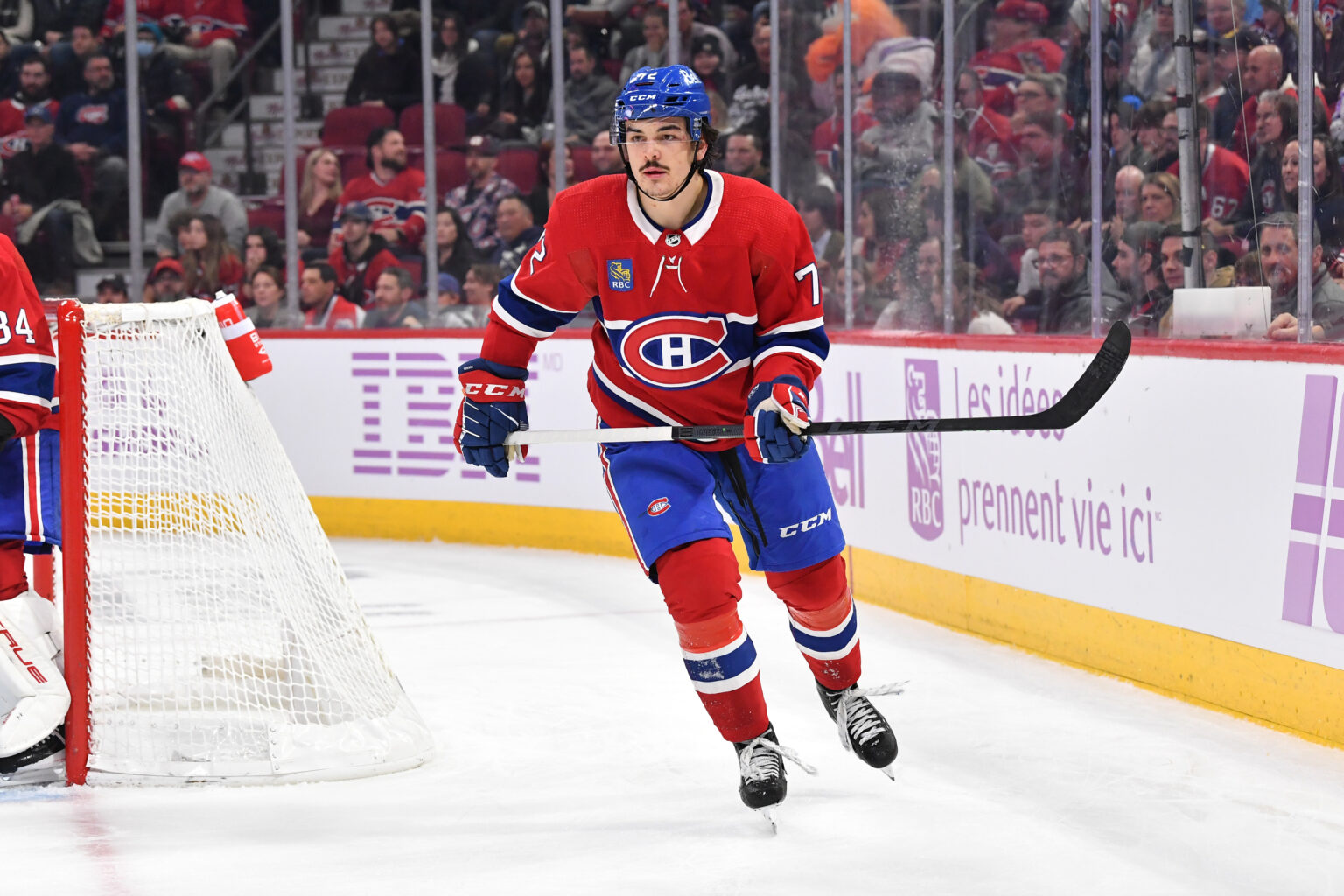
For the Canadiens, the goal is to find a balance. You cannot win a championship with skill alone, but you cannot survive a seven-game series if your physical players cannot stay in the lineup.
Frequently Asked Questions
What happens if the Canadiens don’t sign Xhekaj or Dach by July 1?
If a team fails to provide a “qualifying offer” to an RFA, the player becomes an Unrestricted Free Agent (UFA) and can sign with any team in the league without compensation.
Why was Arber Xhekaj scratched during the playoffs?
While not officially detailed, playoff scratches usually stem from a mismatch in style. Against a fast, disciplined team, coaches often prefer players with higher puck-possession metrics and better defensive versatility.
How does the salary cap affect RFA negotiations?
The cap limits the total amount a team can spend. If a team has several RFAs hitting the market at once, they may be forced to offer “bridge deals” (short-term contracts) to avoid exceeding the cap limit.
Join the Debate
Do you think the Canadiens should prioritize Kirby Dach’s skill or Arber Xhekaj’s physicality for the next season? Let us know in the comments below or subscribe to our newsletter for the latest NHL insider analysis!