

Montserrat: The Ultimate Day Trip From Barcelona
Travelers are increasingly adopting “slow travel” and visiting secondary destinations to escape urban congestion in hubs like Barcelona. According to UN Tourism, this shift toward sustainable, nature-based experiences reduces pressure on city centers while distributing economic benefits to rural regions and spiritual sites like the Montserrat monastery.
Why are travelers leaving city centers for sites like Montserrat?
Urban saturation is driving a migration toward the periphery. Barcelona has faced significant challenges with overtourism, leading the Barcelona City Council to implement strategic plans to decentralize visitor flows. This push encourages tourists to move beyond the Gothic Quarter and Las Ramblas toward the outskirts of the region.
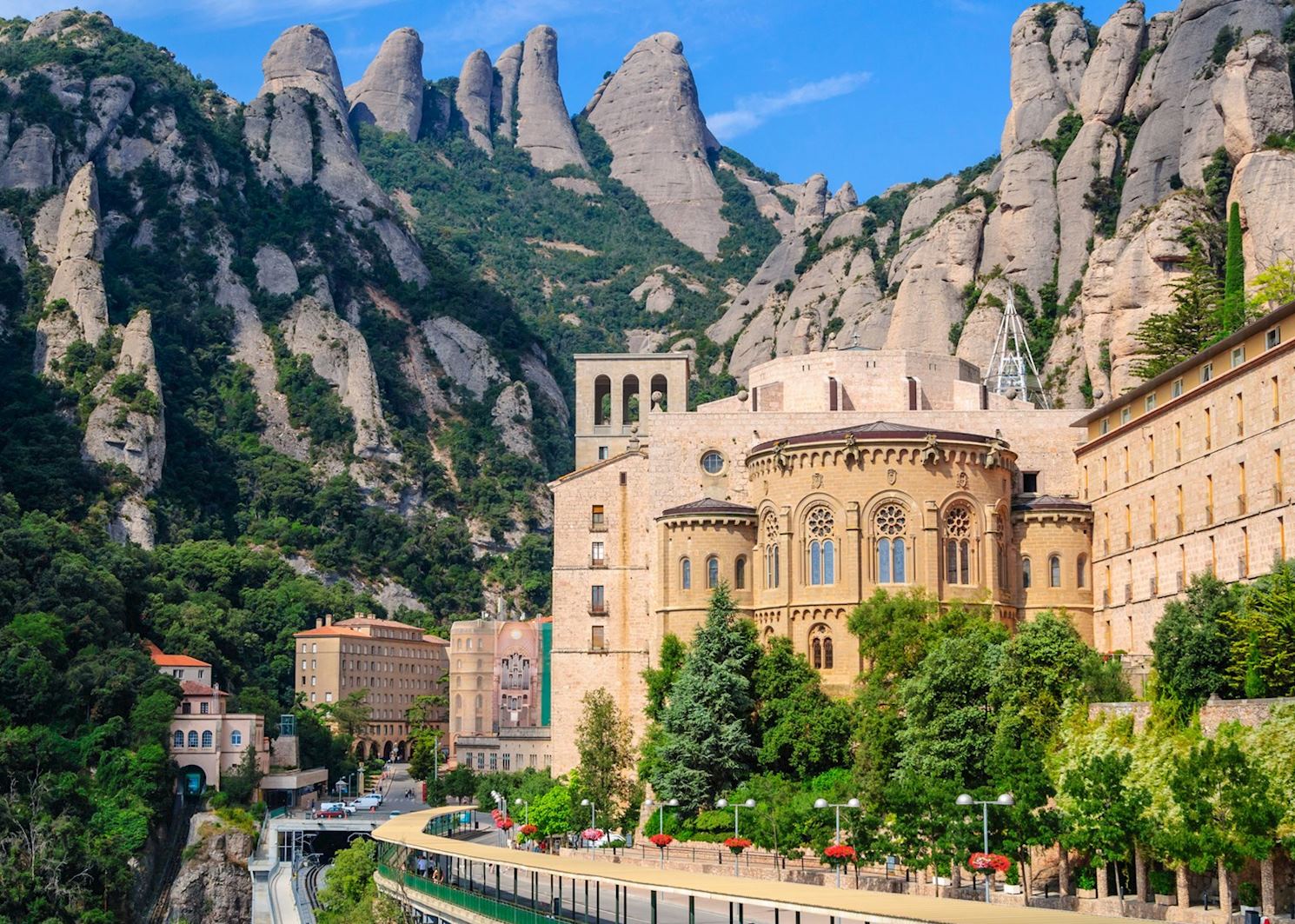
Montserrat, located roughly one hour from the city center, serves as a primary example of this trend. The site combines a 9th-century Benedictine monastery with a protected natural park, offering a contrast to the high-density environment of the city. Data from the European Travel Commission indicates that modern travelers prioritize “authentic” and “quiet” experiences over traditional checklist sightseeing.
How is “slow travel” reshaping tourism in Catalonia?
Slow travel emphasizes connection over consumption. Instead of visiting five landmarks in one day, travelers spend several days in one location. This shift is a response to “tourism fatigue” reported by both residents and visitors in major European capitals.
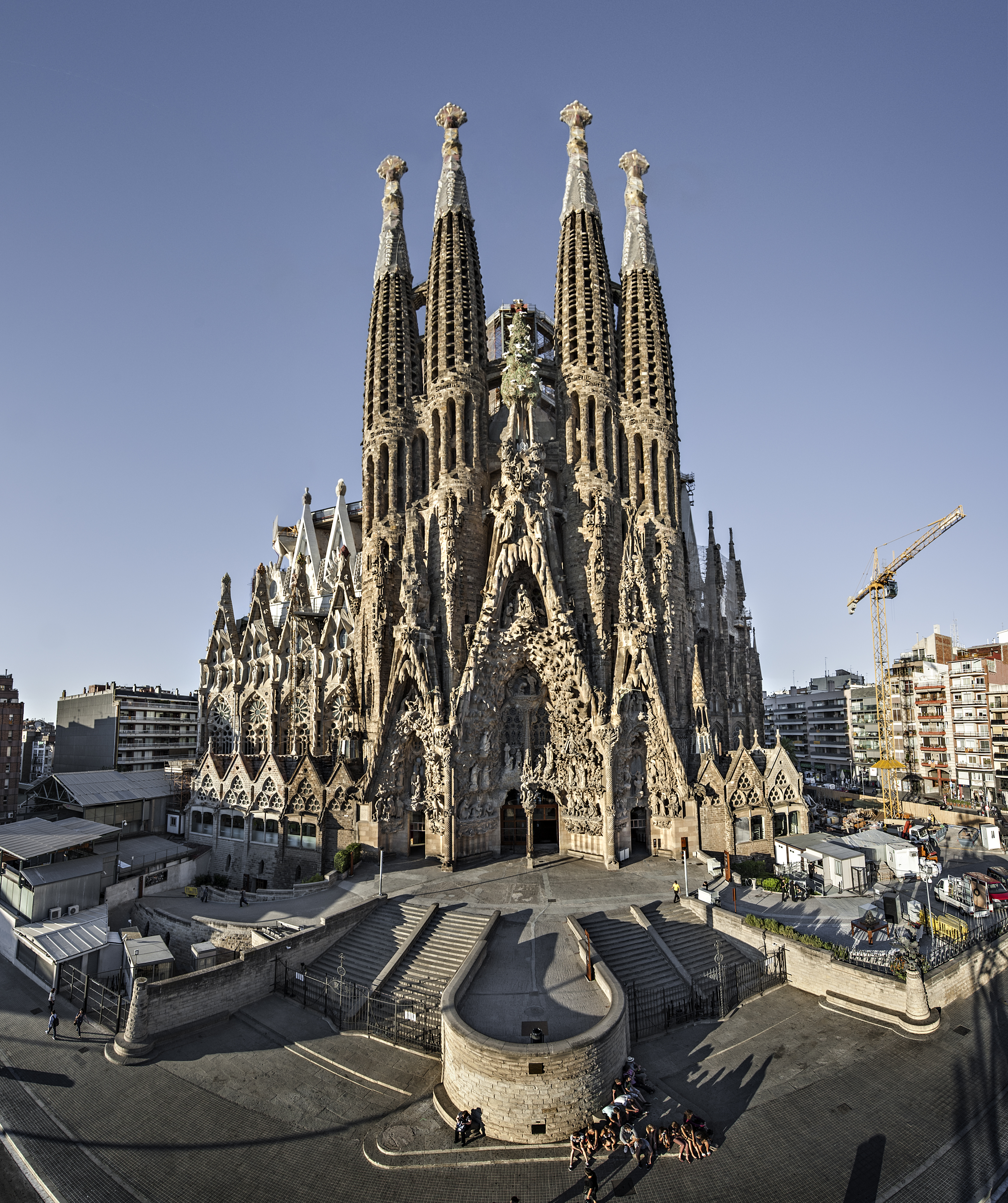
In Catalonia, this manifests as a move toward “secondary destinations.” While the Sagrada Família remains a primary draw, the growth of hiking and spiritual retreats in the Pyrenees and Montserrat suggests a change in consumer behavior. According to sustainable tourism frameworks, this distribution of traffic prevents the degradation of urban infrastructure and protects local quality of life.
Comparing the two models, traditional tourism focuses on high-volume, short-stay visits. In contrast, the slow travel model promotes longer stays and lower impact. This transition helps regional economies by bringing revenue to rural businesses that previously relied on seasonal agriculture.
What role does nature-based tourism play in future travel?
Nature-based tourism is no longer a niche market. It has become a core component of the wellness industry. The rise of “forest bathing” and mindfulness retreats has made sites like the Montserrat mountain paths highly attractive to urban professionals seeking mental decompression.
According to the World Tourism Organization, there is a growing demand for destinations that offer “transformative” experiences. These are trips that result in a perceived personal change or mental reset. The combination of religious history and rugged geography makes Montserrat a prime location for this trend.
Future trends suggest an increase in “regenerative travel,” where visitors contribute to the preservation of the site they visit. This could include participating in local conservation efforts within the Montserrat Natural Park or supporting the monastery’s ongoing restoration projects.
For more insights on regional escapes, see our guide on Catalonia’s hidden gems or visit the official Montserrat website for visitor guidelines.
Frequently Asked Questions
How do I get to Montserrat from Barcelona?
Visitors typically take the R5 train from Plaça d’Espanya to Monistrol de Montserrat, then transfer to a rack railway (Cremallera) or a cable car (Aeri) to reach the monastery.
Is Montserrat worth the trip for non-religious visitors?
Yes. The site is a major center for hiking, geology, and art, offering views that extend to the Pyrenees on clear days.
What is the best time of year to visit?
Spring and autumn provide the most moderate temperatures for hiking the mountain paths and avoiding the extreme summer heat.
Planning your escape from the city? Tell us in the comments if Montserrat is on your bucket list or share your favorite quiet spot in Catalonia.