
Doñana Forest Fire 2017: Judicial Process Stalls After Nine Years
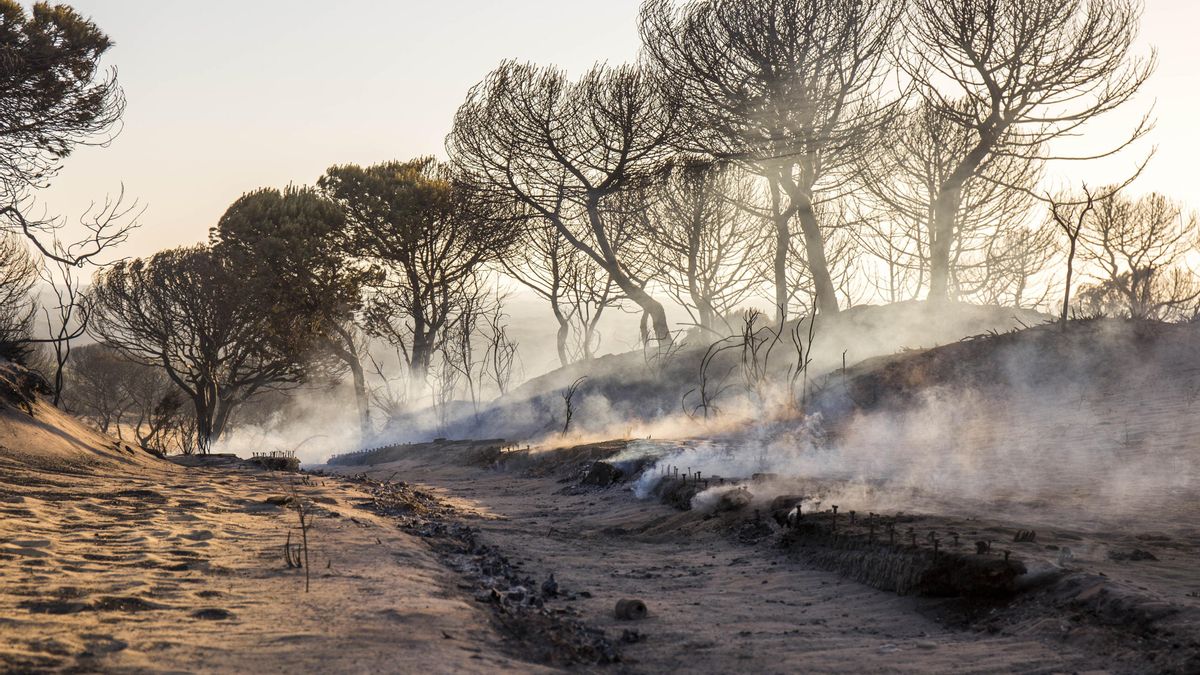
The 2017 Doñana wildfire, which destroyed 8,468 hectares and resulted in the death of an endangered lynx, remains legally unresolved nine years later. This case, involving three individuals linked to a charcoal company, illustrates a growing “justice gap” in environmental litigation where administrative delays and court bottlenecks stall accountability for ecological disasters.
Why are environmental lawsuits taking decades to resolve?
Legal proceedings for large-scale ecological disasters often stall when complex cases land in small local courts. According to judicial sources cited by Europa Press, the Doñana case has been blocked because the Court of First Instance and Instruction No. 2 of Moguer is too small to handle a “great cause” of this magnitude.

Judicial sources suggest the investigation should have been handled by the Provincial Court of Huelva to avoid these delays. This bottleneck creates a trend of “procedural exhaustion” for victims. Ángel Ruiz, president of the Platform of Those Affected by the Las Peñuelas Fire, reports that victims feel “tired” and “sad” after nearly a decade without receiving aid or a verdict.
How is corporate liability for wildfires evolving?
Courts are increasingly focusing on “gross negligence” (imprudencia grave) when industrial activities trigger environmental catastrophes. In the Doñana case, the judge found that the charcoal company operated ten ovens despite only having authorization for three. They even built two additional ovens without the required permit from the Junta de Andalucía.
Future trends in liability are shifting toward strict adherence to weather-based restrictions. The judge noted that the 2017 fire started around 8:20 PM on a day with temperatures exceeding 39°C, strong winds, and low humidity. Despite these “extremely adverse” conditions, the company continued its activity and left the facilities without surveillance after 8:00 PM.
This pattern suggests a future where “weather-blind” industrial operations will face higher criminal penalties. The court found that incandescent charcoal particles, carried by wind, ignited the surrounding forest, proving that failing to monitor environmental risks is no longer viewed as a simple accident.
What happens when state oversight fails?
A significant trend in environmental law is the push to hold governments civilly liable for regulatory failure. The victims in the Doñana case are pursuing claims against the Spanish Government and the Junta de Andalucía.
The Platform of Those Affected argues that state agencies are responsible because inspections of the charcoal plant were not performed correctly. They also cite a lack of vegetation clearing in the area, which they claim allowed the fire to spread more rapidly. This reflects a broader global shift where the state is viewed not just as a regulator, but as a guarantor of safety in protected natural spaces.
Comparison of Impact: Forest vs. Non-Forest Land
The scale of the Doñana disaster highlights the vulnerability of mixed-use landscapes. According to court documents, the damage was split as follows:
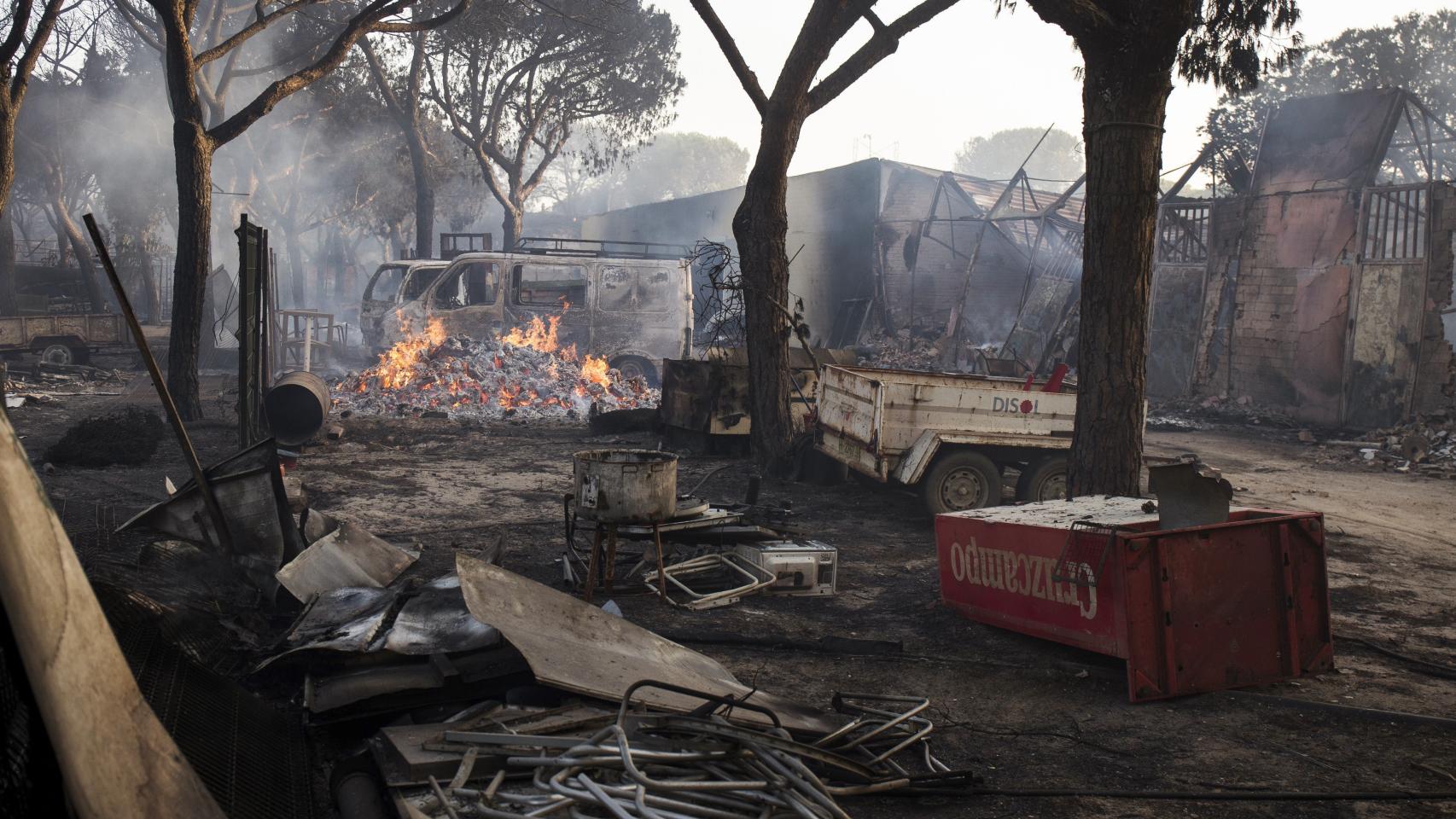
- Forest Land: 7,546.11 hectares destroyed.
- Non-Forest/Protected Space: 957.18 hectares destroyed.
This distinction is critical for calculating civil damages, as protected natural spaces often carry higher restoration costs and stricter legal penalties.
What are the long-term ecological consequences?
The judge stated that the fire caused “grave ecological damage” that will take years to recover. The blaze affected 40 plant species, 75 bird species, and 38 mammal species. The loss of a lynx from a recovery center underscores the permanent nature of these losses.
Ecological recovery trends now emphasize “active restoration” over “passive recovery.” Because the fire reached the coastal zone from Mazagón to the Duna del Asperillo, experts are monitoring how soil degradation affects the return of native flora in these high-salinity environments.
Frequently Asked Questions
Does the crime of causing a forest fire expire?
According to judicial sources, while delays in starting a trial might allow for mitigating circumstances (undue delays), the specific crime associated with this disaster does not prescribe.
Who is being investigated in the Doñana case?
Three individuals are under investigation: the sole administrator of the charcoal company, the administrator of the company that built the unauthorized ovens, and the employee who lit the oven on the day of the fire.
Why wasn’t the area declared a catastrophe zone?
Ángel Ruiz and the affected platform have criticized the government for failing to declare a catastrophe zone despite thousands of hectares burning and the massive displacement of residents.
What triggered the fire?
The court determined that incandescent charcoal particles from oven number 12 were blown by strong winds into the surrounding vegetation, sparking the blaze.
How can we prevent these legal delays in the future?
Moving the jurisdiction of large-scale environmental crimes to specialized provincial courts—rather than small local courts—is seen as the most effective way to speed up justice.
Do you believe governments should be held financially responsible for failing to inspect high-risk businesses in protected areas? Share your thoughts in the comments below or subscribe to our newsletter for more deep dives into environmental justice.