
Moon Impact 3.5 Billion Years Ago Hints at Hidden Era of Solar System : ScienceAlert
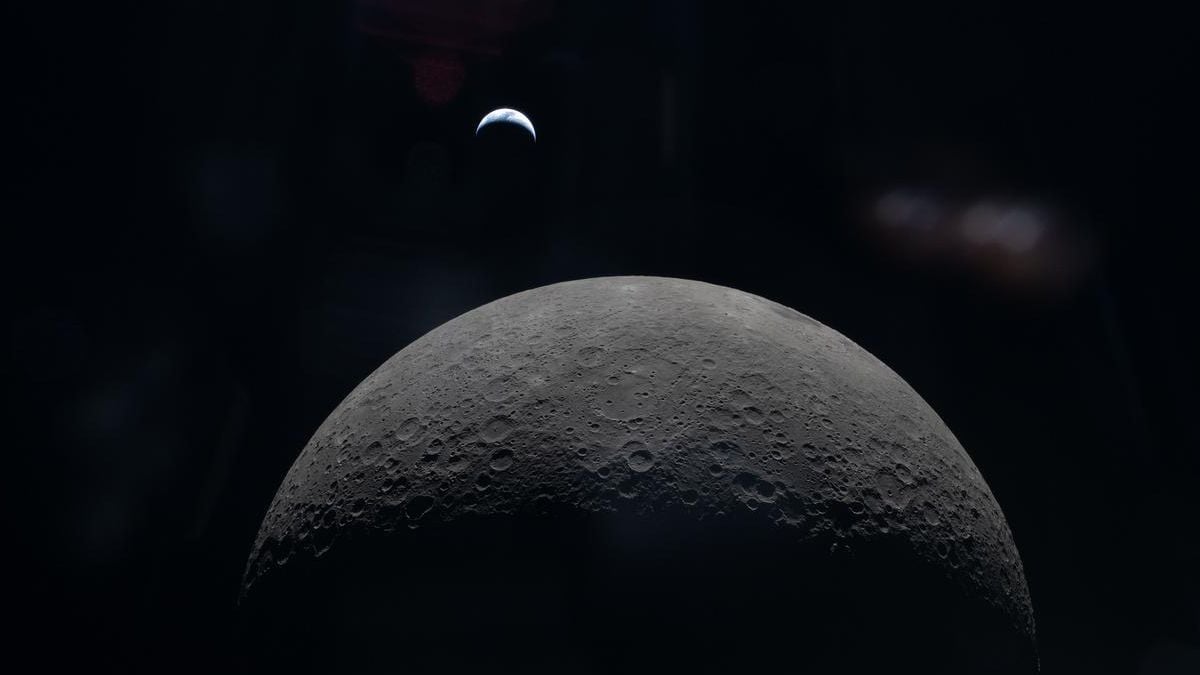
A study led by planetary scientist Carolyn Crow of the University of Colorado Boulder, published in Geology, identifies zirconium-rich baddeleyite grains in meteorite NWA 12593. These grains prove a massive asteroid impact struck the Moon 3.486 billion years ago, suggesting the inner Solar System faced prolonged bombardment long after the Late Heavy Bombardment ended.
Why does a 3.5-billion-year-old impact change our view of the Solar System?
For years, the consensus focused on the Late Heavy Bombardment, a violent phase occurring between 4.1 and 3.8 billion years ago. This era was likely triggered by shifts in the orbits of giant planets, sending asteroids hurtling toward the inner planets. Scientists generally believed the system calmed down after this period.
The discovery of baddeleyite grains in NWA 12593 contradicts that timeline. According to the researchers, this “new impact age” provides unequivocal evidence that the inner Solar System remained a chaotic environment for hundreds of millions of years longer than previously thought. This means Earth, the Moon, and the asteroid Vesta were still playing “asteroid pinball” around 3.5 billion years ago.
How do scientists date “phantom” impacts using meteorites?
Because Earth’s tectonic activity and erosion erase geological records, researchers look to the Moon. The Moon lacks plate tectonics, meaning ancient scars remain. However, craters often overlap, making it hard to distinguish one event from another. Meteorites like NWA 12593, recovered in Mali, solve this by bringing lunar samples directly to Earth.
Crow’s team analyzed “breccia”—rock formed when impact pressures shatter and weld fragments together. Within this breccia, they isolated 21 grains of baddeleyite. By measuring the decay of uranium into lead within these grains, the team calculated a precise age of 3.486 billion years.
This methodology allows scientists to identify separate events within a single rock. In the case of NWA 12593, the meteorite records three distinct impacts: the ancient 3.5-billion-year-old event, the formation of the breccia, and the final collision that ejected the rock from the Moon toward Earth.
What is the connection between asteroid strikes and the origin of life?
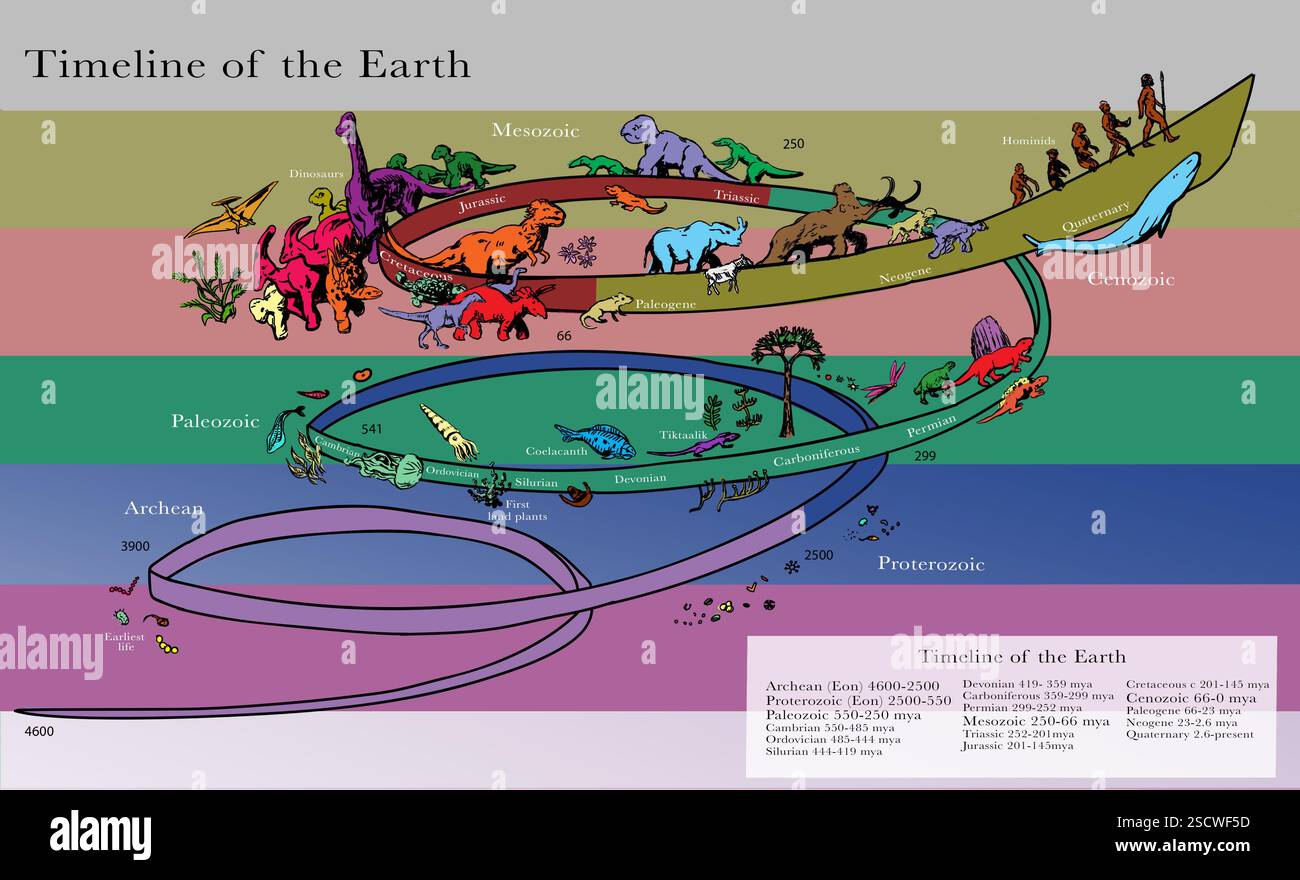
The timing of these impacts coincides with the emergence of cellular life on Earth. According to the research published in Geology, the cadence of these catastrophic events is a critical variable in understanding how life took hold.
Recent evidence suggests that massive impacts can create hydrothermal systems. These hot-spring-like environments may have served as havens for early microbes. The data from the Moon aligns with impact debris found in Australia’s Pilbara desert (3.48 billion years ago) and South Africa (3.47 billion years ago), suggesting a systemic pattern of violence that may have actually fostered biological growth.
Future planetary research will likely shift toward mapping these hydrothermal “hotspots” to see if they correlate with the earliest known fossils. This suggests a paradoxical trend: the same asteroids that could sterilize a planet may have provided the energy and chemistry needed to start life.
How does this compare to previous bombardment theories?
The traditional model of the Solar System’s history suggests a sharp drop-off in impacts after 3.8 billion years. The new data from the University of Colorado Boulder creates a stark contrast:
| Period | Traditional View | New Evidence (Crow et al.) |
|---|---|---|
| 4.1–3.8 Ga | Late Heavy Bombardment (Peak) | Confirmed Peak |
| 3.8–3.5 Ga | Relative Calm/Tapering | Prolonged, Heavy Bombardment |
Frequently Asked Questions
What is meteorite NWA 12593?
It is a lunar meteorite recovered in Mali that contains breccia and baddeleyite grains, providing a geological record of multiple impact events on the Moon.
What is baddeleyite and why is it important?
Baddeleyite is a zirconium-rich mineral. It is valuable to scientists because it can withstand extreme heat and preserves uranium-lead ratios, which act as a chemical clock for dating impacts.
Why can’t we just date impacts on Earth?
Earth’s crust is constantly recycled through plate tectonics and weathered by erosion. Most evidence of impacts from 3.5 billion years ago has been destroyed, making the Moon a more reliable archive.
Do you think the early violence of the Solar System helped or hindered the start of life on Earth? Share your thoughts in the comments below or subscribe to our newsletter for more deep dives into planetary science.