

More Than Just Vegetables: How Graz Community Gardens Shape the City
Graz’s community gardens are hosting a series of public events from May 29 to August 31, highlighting the role of urban agriculture in fostering neighborhood social networks, education, and climate resilience. Approximately one-third of the city’s 40 gardens are participating, offering workshops and open spaces for residents to engage with local environmental projects.
How Community Gardens Function as Urban Hubs
The gardens serve as open meeting points where social interaction occurs alongside agricultural tasks like planting and harvesting. According to Andreas Motschiunig of the “Forum Urbanes Gärtnern,” these sites act as diverse social anchors, bringing together students, long-term residents, and people of various cultural backgrounds. The forum facilitates these projects by assisting with land acquisition and coordinating with local government agencies.
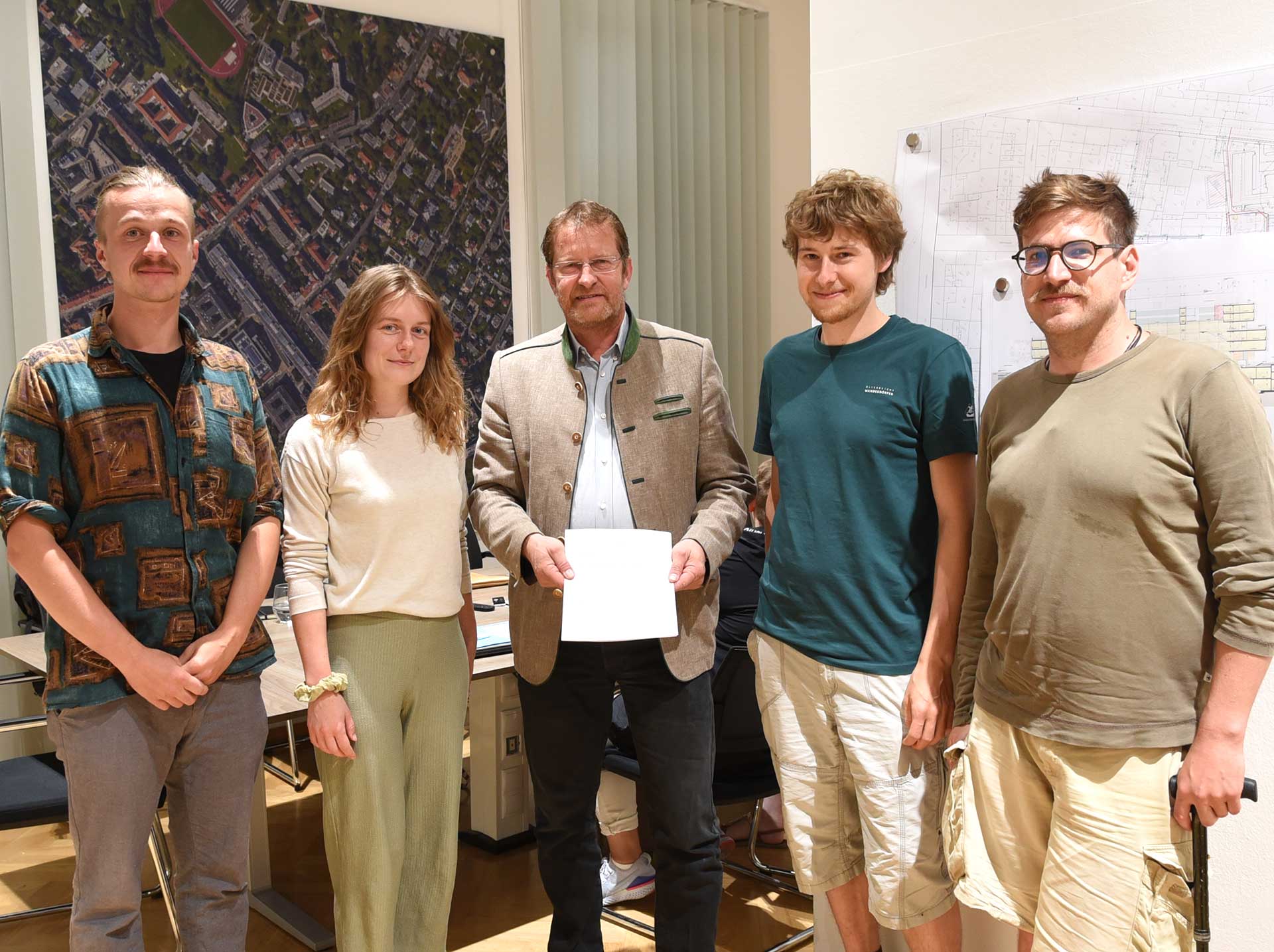
Did You Know? The city of Graz incorporates the concept of an “edible city” into its official food strategy, actively supporting community gardens to help resolve neighborhood conflicts and increase local quality of life.
The City’s Role in Urban Agriculture
The municipal government of Graz views these gardens as more than recreational spaces, utilizing them to support broader urban development goals. Maria Nievoll, representing the city’s Department for Green Spaces and Waters, states that the department provides organizational support and facilitates the allocation of land for garden projects. Officials have observed that these spaces can help activate public areas, such as the Volksgarten, potentially reducing social friction through increased neighborhood engagement.
Climate Resilience and Future Outlook
Community gardens are increasingly focused on climate adaptation, including managing urban heat islands and biodiversity. While Maria Nievoll notes that the city remains cautious regarding the immediate impact of these small-scale gardens on overall urban temperatures, the “Forum Urbanes Gärtnern” emphasizes that current garden design must prioritize shade, water retention, and drought-resistant agricultural practices. These sites may serve as future learning grounds for residents as they adapt to changing environmental conditions in the city.
Expert Insight: The sustainability of these projects remains tied to the balance between volunteer effort and institutional support. As these gardens evolve, they may face ongoing challenges regarding long-term financing and bureaucratic land-use requirements, which could necessitate more formalized partnerships between the city and volunteer groups to ensure their continued operation.
Frequently Asked Questions
What is the purpose of the “Forum Urbanes Gärtnern”?
The forum acts as a mediating body that connects different garden groups, assists with the founding of new projects, and provides support regarding land-use negotiations and city administration.
Are all community gardens in Graz participating in the summer events?
No, approximately one-third of the city’s roughly 40 community gardens are taking part in the organized event series running through August 31.
How does the city of Graz benefit from these gardens?
According to municipal officials, the gardens help implement the city’s food strategy, provide spaces for social interaction, and contribute to local biodiversity and environmental education.
How might the integration of these green spaces influence future urban planning decisions in your neighborhood?