
Vitamin B3 Shows Promise in Treating Aggressive Glioblastoma Brain Cancer
Researchers at the University of Calgary found that adding high doses of vitamin B3 (niacin) to standard glioblastoma treatment improved progression-free survival by 28% in early trials. According to the Journal of Neuro-Oncology, 82% of 24 participants showed no signs of disease progression at six months.
How does Vitamin B3 help treat glioblastoma?
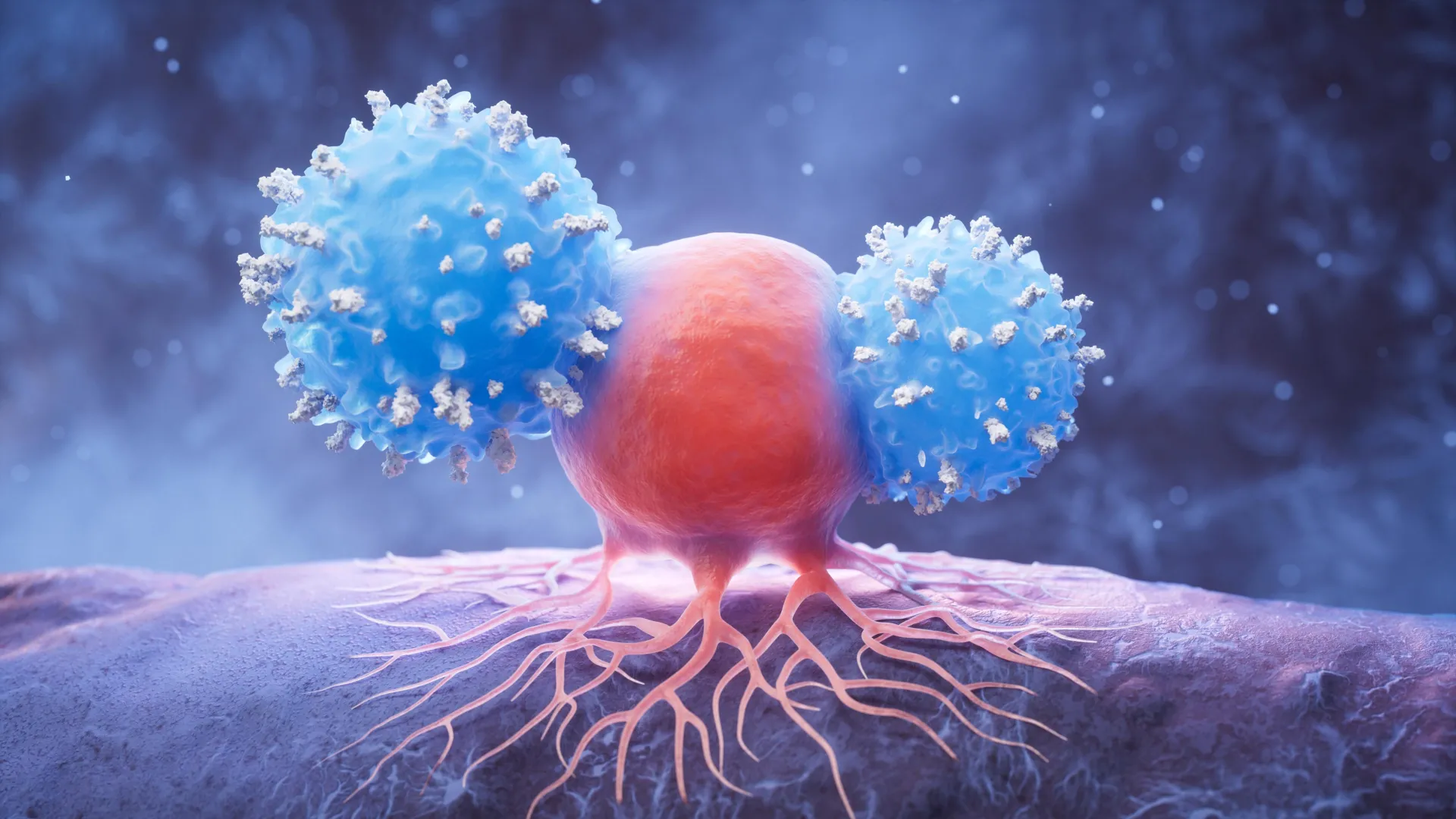
Niacin may rejuvenate immune cells that glioblastoma typically suppresses, according to Dr. Wee Yong, a professor at the Cumming School of Medicine (CSM). Dr. Yong describes the process as a “battle for the brain” where restored immune cells can attack and kill cancer cells.
The research program, led by Dr. Yong and brain cancer specialist Dr. Gloria Roldan Urgoiti, began with mouse models. Those early experiments showed that niacin extended survival, which led to the current Phase I and II clinical trials in humans.
What are the results of the niacin clinical trial?
The trial evaluated controlled-release niacin combined with standard radiotherapy and chemotherapy. Researchers set a benchmark that the trial would stop if progression-free survival at six months didn’t improve by at least 20% compared to previous studies.
Early findings from 24 patients exceeded that target. The 82% stability rate represents a 28% improvement over earlier studies. Dr. Roldan Urgoiti noted that while any potential help should be explored, such treatments require strict protocols and safety monitoring.
How does this affect glioblastoma patients?
For patients like 55-year-old Edward Waldner, the trial provided an option after standard surgery. Waldner reported feeling constantly drained and experiencing changes in his gait, including dragging his heels, before being diagnosed with a brain mass.
Waldner, who participated in the trial, currently describes himself as feeling very well. His medical team has characterized his status as “stable” during regular follow-up scans.
What happens next in the research?
The study is ongoing and is supported by the Alberta Cancer Foundation and the Canadian Institutes of Health Research. Researchers may complete their final analysis after enrolling 48 participants, a goal they hope to reach by late 2026 or early 2027.
Medical professionals warn that high doses of niacin can be toxic. Because of this risk, researchers emphasize that such treatments may cause harm if not carefully monitored by doctors.
Frequently Asked Questions
What is glioblastoma?
It is the most aggressive form of brain cancer in adults and is often deadly, according to Dr. Gloria Roldan Urgoiti.
What is the standard treatment for this cancer?
Standard treatment typically involves surgery to remove as much of the tumor as possible, followed by chemotherapy and radiation therapy.
Can I take high doses of Vitamin B3 at home for this?
No. Researchers emphasize that high doses of vitamins, including niacin, can be toxic and may cause harm without professional medical monitoring.
Do you believe more funding should be directed toward repurposing existing vitamins for cancer research?