
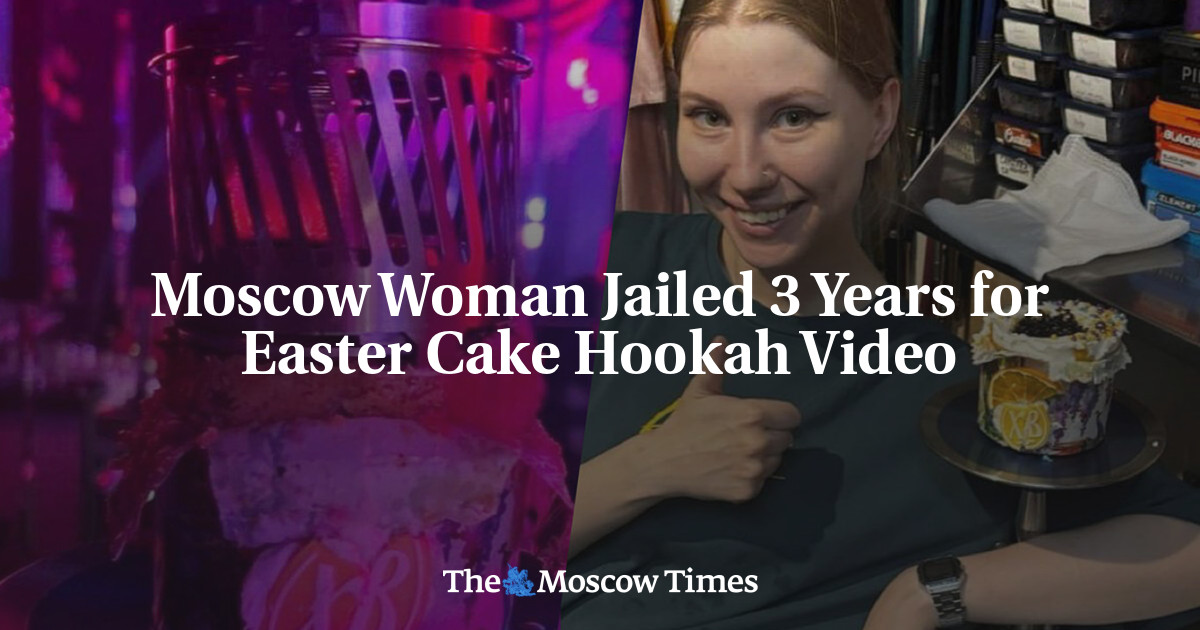
Moscow Woman Sentenced to Prison for Making Hookah From Easter Cake
When Digital Expression Meets Legal Reality: The New Landscape of Online Accountability
In the digital age, a single social media post can traverse the globe in seconds. However, as the case of Ksenia Belousova highlights, the virtual world is increasingly colliding with strict legal frameworks. What began as a viral video featuring a kulich—a traditional Russian Easter pastry—transformed into a sobering legal ordeal, sparking a global conversation about the boundaries of digital expression and religious sensitivity.

The Escalation of Online Speech Regulations
We are witnessing a global trend where “keyboard activism” and casual social media content are being scrutinized under increasingly rigid statutes. Laws protecting religious or national symbols are being utilized more aggressively, often leading to consequences that far outweigh the original intent of the content creator.

Historically, the internet was viewed as a “Wild West” of expression. Today, that perception is shifting. Governments are implementing stricter moderation policies, and in many regions, the line between protected satire and criminal offense is thinning. This creates a high-stakes environment for creators who rely on edgy or provocative content to build their personal brands.
The “Viral Risk” Factor
Content creators must now navigate a complex landscape of cultural sensitivities. What might seem like a harmless joke to one demographic can be interpreted as a targeted insult by another. The rapid nature of virality means that by the time a creator realizes they have crossed a line, the legal and social repercussions are already in motion.
How Legal Precedents Impact Digital Freedom
The sentencing of Belousova, which involved the merging of a previous probation sentence with a new conviction, serves as a stark reminder that legal history follows you online. Modern judicial systems are increasingly integrating digital activity into criminal records.
For those living in countries with strict speech laws, the “fast-tracked” court procedures—often used to resolve cases quickly—are becoming a standard method of handling social media-related offenses. This trend suggests that the future of digital expression will be defined by a heightened awareness of local laws, rather than global social norms.
The Future of Online Content Strategy
As social media platforms continue to face pressure from governments, we can expect to see more “self-censorship” among influencers. Future trends indicate a move toward:
- Niche Community Building: Creators will focus on private or semi-private platforms where content is less likely to be “scraped” by authorities.
- Cultural Sensitivity Audits: Brands and influencers will likely employ consultants to vet content for potential cultural or religious backlash before it hits the feed.
- Legal Literacy: Understanding the nuances of local speech laws will become as important as understanding algorithm trends.
Frequently Asked Questions
- Can a social media post really lead to prison time?
- Yes. In many jurisdictions, laws regarding religious offense, defamation, or national security can be applied to online content, regardless of the creator’s original intent.
- What is the best way to protect oneself as a content creator?
- Stay informed about local laws, avoid content that targets protected religious or national symbols, and maintain a clear understanding of your platform’s terms of service.
- Are these trends limited to one country?
- No. While specific laws vary, there is a global trend toward increased digital regulation and the criminalization of online speech that violates local cultural norms.
What are your thoughts on the balance between free speech and religious sensitivity? Join the conversation in the comments section below, or subscribe to our newsletter for deep-dive analyses on how technology is reshaping our legal systems.