

Music Awards Japan levels up and looks ahead
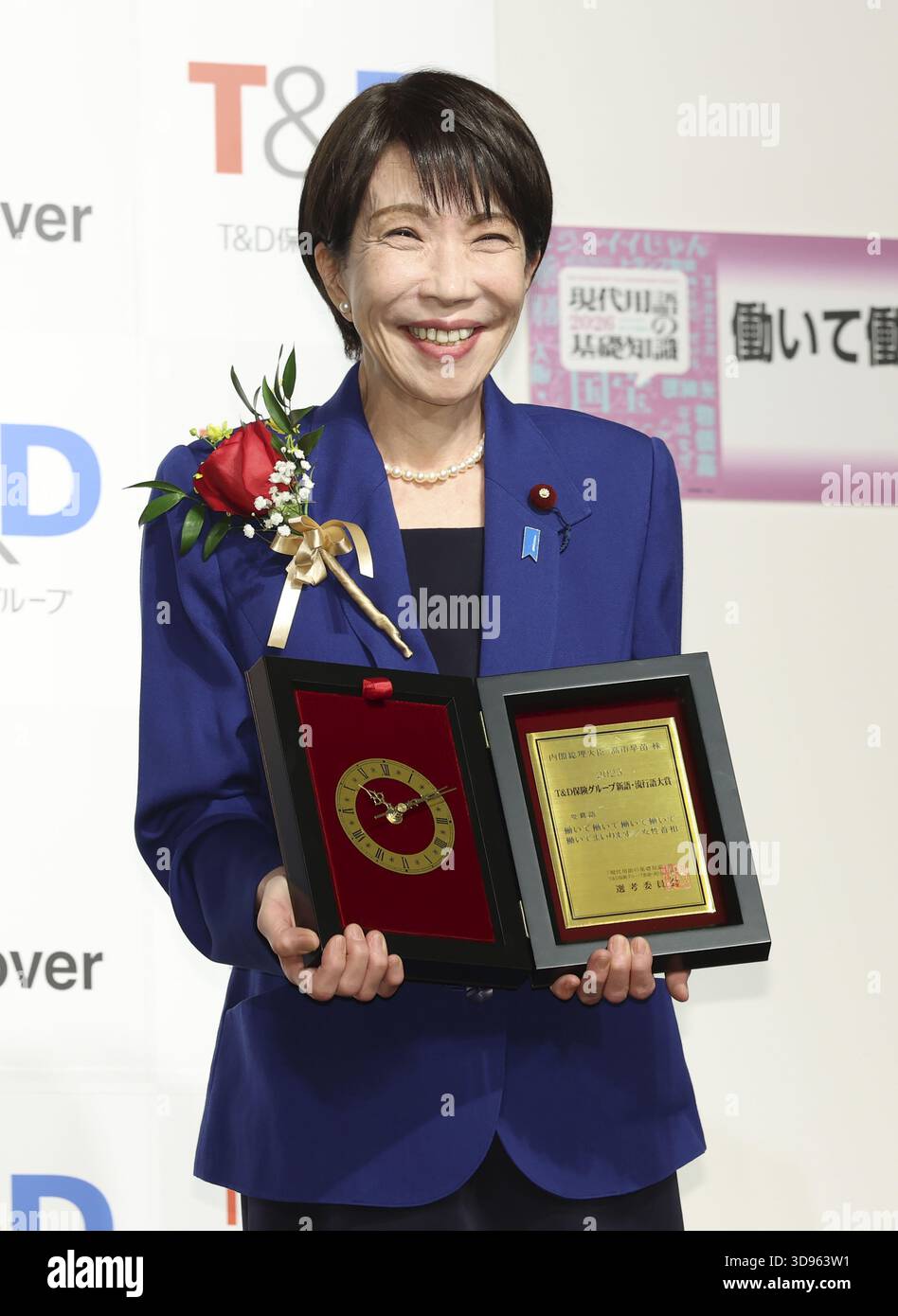
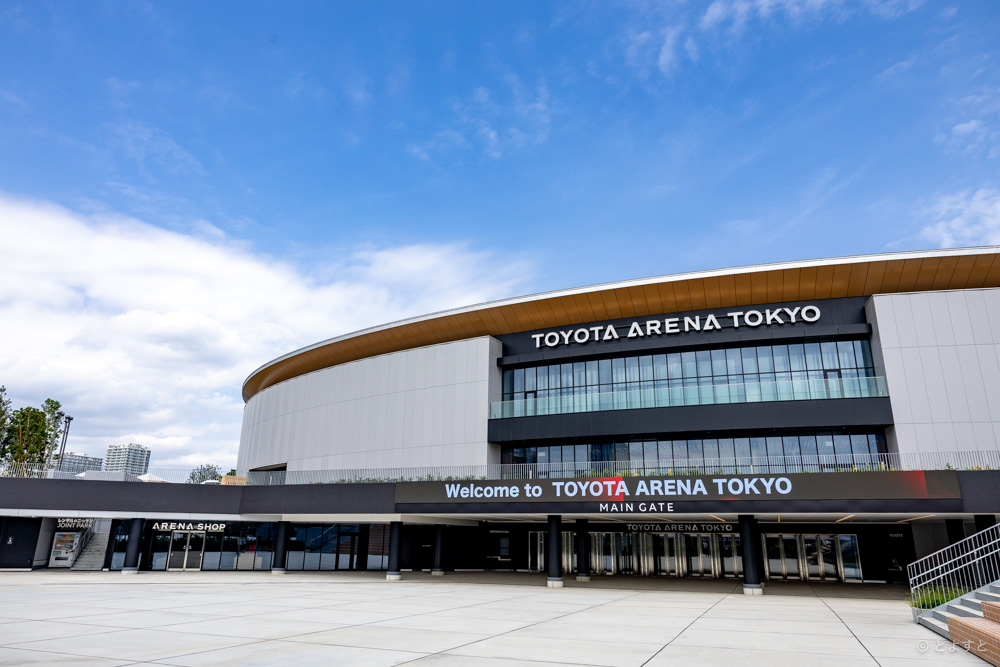
Prime Minister Sanae Takaichi made a surprise appearance at the Music Awards Japan (MAJ) gala on June 13, signaling a shift in the government’s strategic focus toward exporting Japanese music to the global market. Held at the Cerulean Tower in Shibuya, the event served as a precursor to the second annual awards ceremony, which has relocated to the larger Toyota Arena Tokyo to accommodate its growing international ambitions.
Did You Know? The Music Awards Japan is a project of the Japan Culture and Entertainment Industry Promotion Association and was launched in Kyoto just last year to serve as a domestic equivalent to the Grammy Awards.
Strategic Support for Global Expansion
During the gala, Prime Minister Takaichi, a self-described heavy metal fan, addressed industry leaders and entertainers regarding the necessity of international growth. According to the premier, the government aims to support the music industry’s efforts to reach the “highest levels of the world stage.” Takaichi’s attendance, occurring immediately before her departure for the G7 Summit, underscores a broader state-level initiative to secure a place for Japanese artists in the global market.
Expert Insight: The direct involvement of a sitting Prime Minister in an industry awards gala suggests that music is increasingly viewed as a key pillar of national soft power. By aligning the MAJ’s growth with state-sponsored export goals, organizers may be positioning the ceremony to act as a primary platform for vetting and promoting artists destined for international touring and distribution.
Award Winners and Artistic Milestones
The ceremony recognized several artists with “Rubies,” the event’s signature red glass statuettes. Trio Mrs. Green Apple secured the artist of the year award for the second consecutive time, while Kaze Fujii earned the album of the year Ruby for his English-language debut, Prema. Both artists performed during the grand ceremony at the Toyota Arena Tokyo.
The rock group Sakanaction emerged as the night’s most decorated act, claiming eight awards across the program’s 78 categories. Front man Ichiro Yamaguchi accepted the song of the year award for “Kaiju,” noting that the track marked his return to music following a three-year hiatus due to depression. Kenshi Yonezu also stood out, winning five awards, including best J-pop song, after leading the field with 18 total nominations.
Future Outlook for the MAJ
As the MAJ transitions from its inaugural Kyoto launch to the larger Toyota Arena Tokyo, the event is likely to see further expansion in its category structure and international outreach. Given the high level of industry participation—with approximately 5,000 experts and producers voting—the awards could become a definitive barometer for domestic success and global potential. Future editions may see an increased emphasis on cross-border collaborations as the association continues its mandate to elevate Japanese music on the world stage.
Frequently Asked Questions
What is the primary goal of the Music Awards Japan?
The organization aims to celebrate Japanese music while actively working to export it to the global market with the strategic support of the government.
Who was the most decorated artist at the second annual ceremony?
The rock six-piece band Sakanaction received the most recognition, collecting eight awards throughout the event.
How are the winners selected?
The awards are determined by a voting body consisting of roughly 5,000 musicians, producers, and industry experts.
How do you think the government’s direct support will change the sound and style of future Japanese chart-topping music?