

NASA James Webb Telescope Discovers Unique Goldilocks Giant Planet TOI-199b
Astronomers have identified a giant gas planet, TOI-199b, using NASA’s James Webb Space Telescope (JWST). Research published in the Astronomical Journal on May 20 by a team from Penn State University and NASA’s Jet Propulsion Laboratory confirms the planet orbits a star more than 330 light-years from Earth, completing an orbit every 100 days.
Characteristics of TOI-199b
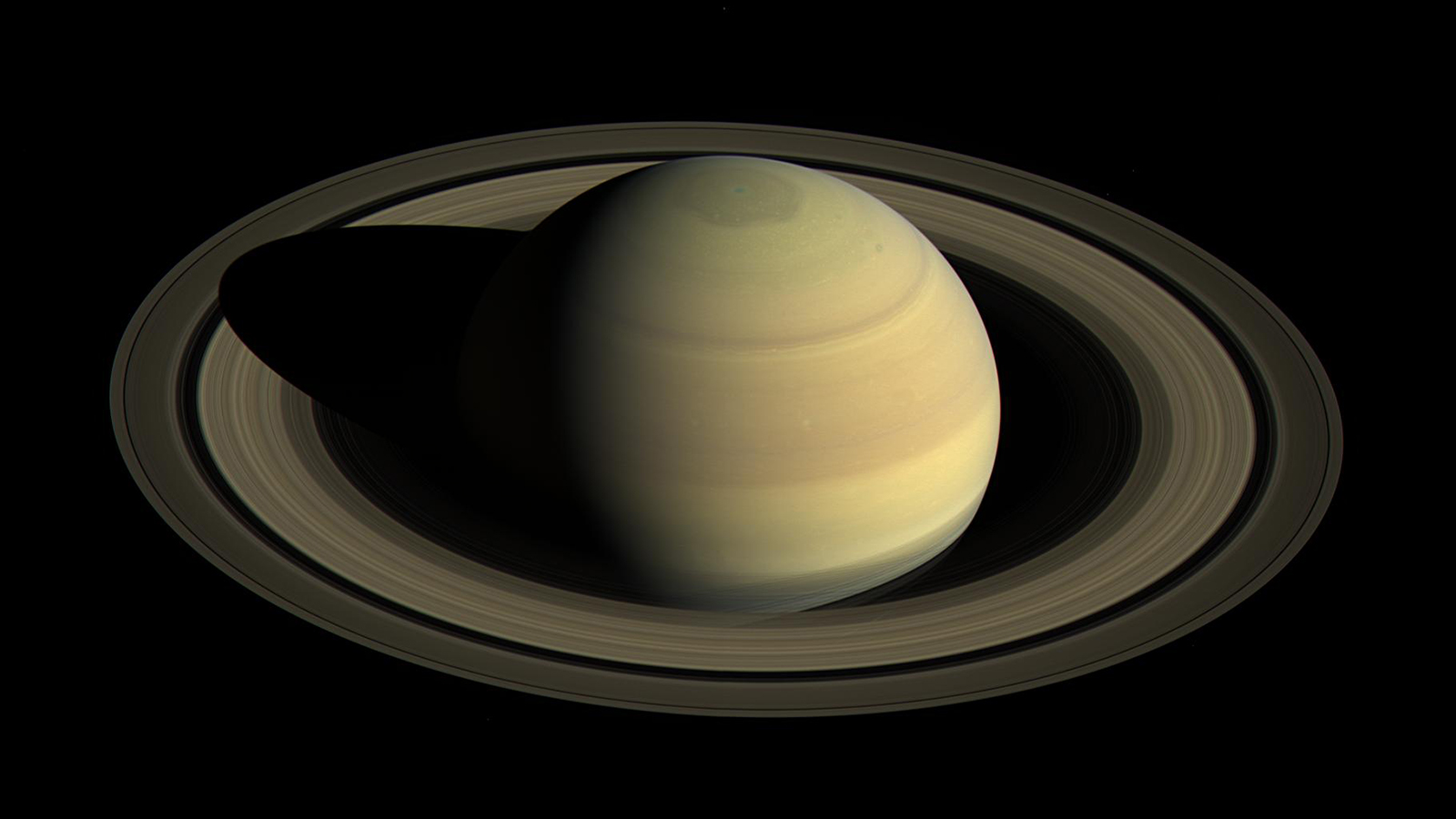
TOI-199b is comparable in size to Saturn and contains methane within its atmosphere. According to lead researcher Rennyu Hu and his team, the presence of methane and other chemical compositions like ammonia and carbon dioxide offers critical insights into how such planets evolve and how their atmospheres form over time.
Why the Temperature Matters
The planet maintains a temperature of approximately 175 degrees Fahrenheit (80 degrees Celsius). This is significantly cooler than typical giant gas exoplanets, which are often classified as “Hot Jupiters” with temperatures reaching thousands of degrees Celsius. While these temperatures are much warmer than those found on Jupiter or Saturn, they remain far too hot for human habitation.
How Scientists Analyzed the Atmosphere
Researchers utilized a method known as transmission spectroscopy to analyze the planet’s composition. As the planet passes in front of its host star, starlight filters through its atmosphere, allowing the JWST to break the light into different wavelengths. Researcher Aaron Bello-Arufe explains that because every molecule absorbs specific light wavelengths, this process acts like a prism, revealing the chemical makeup of the planet from hundreds of light-years away.
What May Happen Next
Future research is expected to focus on further characterizing the atmospheric evolution of TOI-199b. Since the current study successfully identified chemical markers like methane, ammonia, and carbon dioxide, scientists may use similar spectroscopic techniques to observe other planets to determine if TOI-199b is an anomaly or part of a larger, previously undetected class of moderate-temperature gas giants.
Frequently Asked Questions
How far away is TOI-199b?
The planet orbits a star located more than 330 light-years from Earth.
Is TOI-199b habitable for humans?
No, although its temperature is lower than many other giant gas exoplanets, it remains too hot for human survival.
How did researchers identify the planet’s atmosphere?
The team used transmission spectroscopy with the James Webb Space Telescope, which analyzes light filtering through the planet’s atmosphere as it passes in front of its star.
What other secrets might be hidden in the atmospheres of distant, moderate-temperature planets?