
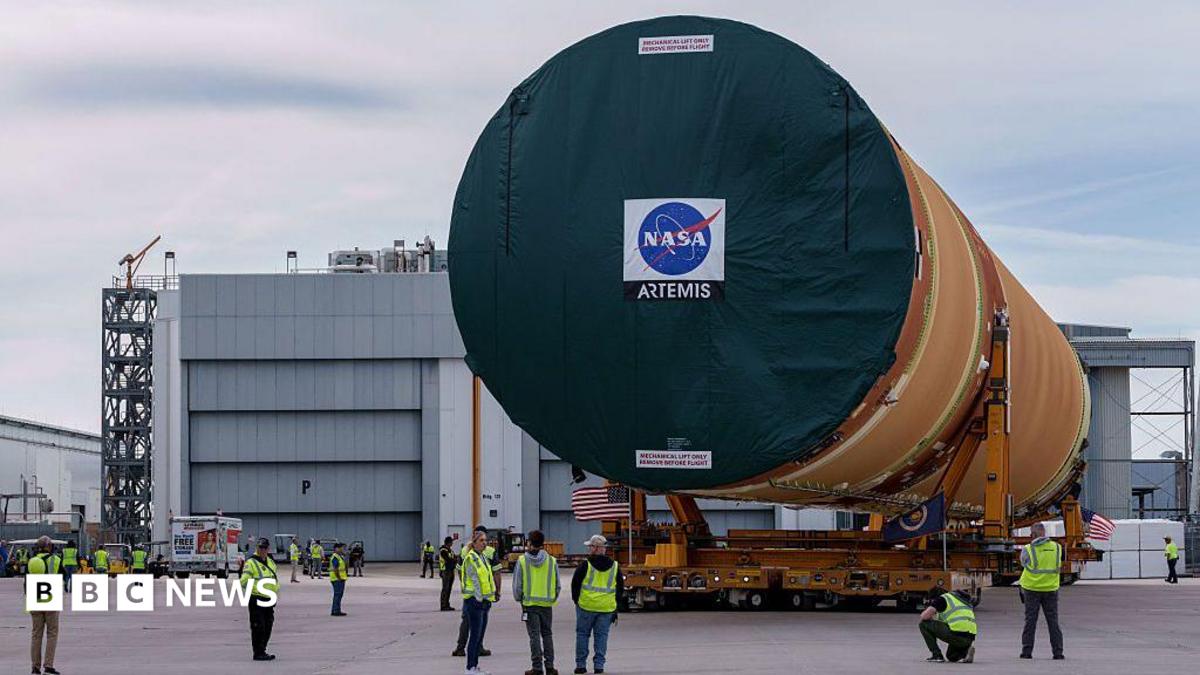
Nasa to name Artemis III crew in next step towards Moon landing
The recent explosion of a Blue Origin New Glenn rocket during a test at Cape Canaveral has halted the company’s launch operations, creating significant uncertainty for NASA’s upcoming lunar exploration timeline. According to reporting by BBC science correspondent Pallab Ghosh, the failure at Launch Complex 36 (LC-36) destroyed the only facility capable of supporting the New Glenn vehicle, leaving the company without a backup launch site and delaying critical cargo and crewed missions to the Moon.
How does the launch pad loss affect the Artemis program?
The destruction of LC-36 disrupts multiple stages of NASA’s Artemis lunar missions. Blue Origin is a primary contractor for the program, and its New Glenn rocket is the designated vehicle for several high-stakes deliveries. Pallab Ghosh reports that the Endurance cargo lander, intended to establish infrastructure at the lunar south pole, is currently grounded. Additionally, the prototype Blue Moon lander—scheduled to dock with the Artemis III mission next year—and the crewed lander for Artemis V in 2028 now lack a clear path to orbit, according to NASA-linked mission manifests.
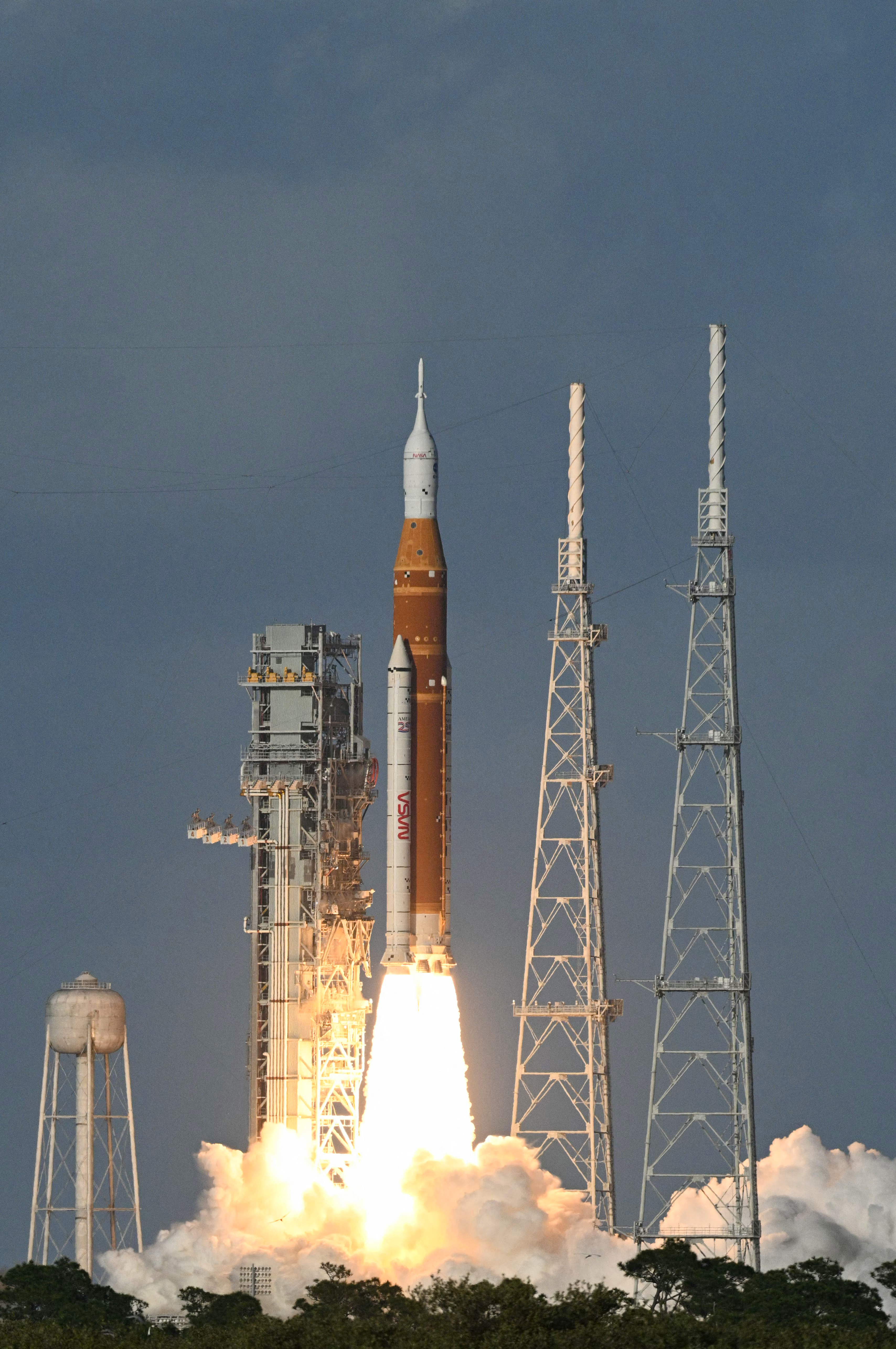
Launch Complex 36 at Cape Canaveral is currently the only facility globally equipped to handle the specific engineering requirements of the New Glenn rocket. Unlike larger firms that maintain redundant infrastructure, Blue Origin faces a total operational pause until repairs are completed.
What are the historical precedents for launch site recovery?
Industry history suggests that recovering from a launch pad failure is a lengthy, capital-intensive process. When SpaceX experienced a launch pad explosion in 2016, the company required 15 months to resume operations, despite having multiple sites available to distribute its launch manifest. By comparison, Blue Origin’s lack of secondary infrastructure means the company cannot divert its schedule to other pads. Experts note that the timeline for returning to flight depends entirely on the extent of the structural damage to the pad’s specialized fueling and support systems.
How do commercial delays impact NASA’s lunar goals?
NASA’s reliance on commercial partners introduces a “single point of failure” risk, where the technical challenges of private contractors directly translate to federal program delays. While SpaceX has demonstrated the ability to recover from pad incidents, the Blue Origin situation highlights the vulnerability of the current Artemis architecture. If the New Glenn rocket cannot reach orbit, the milestones for the lunar base and crewed surface landings will likely need to be re-evaluated by NASA leadership, as there is currently no alternative vehicle prepared to launch the Blue Moon landers.
Pro Tips for Tracking Aerospace Delays
- Monitor NOTAMs: Notices to Air Missions (NOTAMs) often provide the first public indicators of impending test activity or extended site closures.
- Review FAA Records: The Federal Aviation Administration maintains public records of launch site certifications and accident investigations.
- Follow Manifest Changes: NASA’s official Artemis mission updates are the most reliable source for shifts in launch windows and contractor status.
Frequently Asked Questions
- Is there a backup launch site for the New Glenn rocket?
- No. According to current reports, LC-36 is the only pad equipped for the New Glenn, meaning operations are fully suspended until the facility is rebuilt.
- Will this change the date of the Artemis III mission?
- The mission timeline is under pressure. Because the Blue Moon prototype was slated for critical docking tests, the lack of a launch vehicle creates a significant bottleneck for the 2027 window.
- Was anyone injured in the explosion?
- Blue Origin confirmed that the incident occurred during an uncrewed hot-fire test and no injuries were reported.
What do you think about the reliance on private contractors for lunar exploration? Join the conversation in the comments below, or subscribe to our weekly aerospace newsletter for the latest updates on the Artemis program.
