
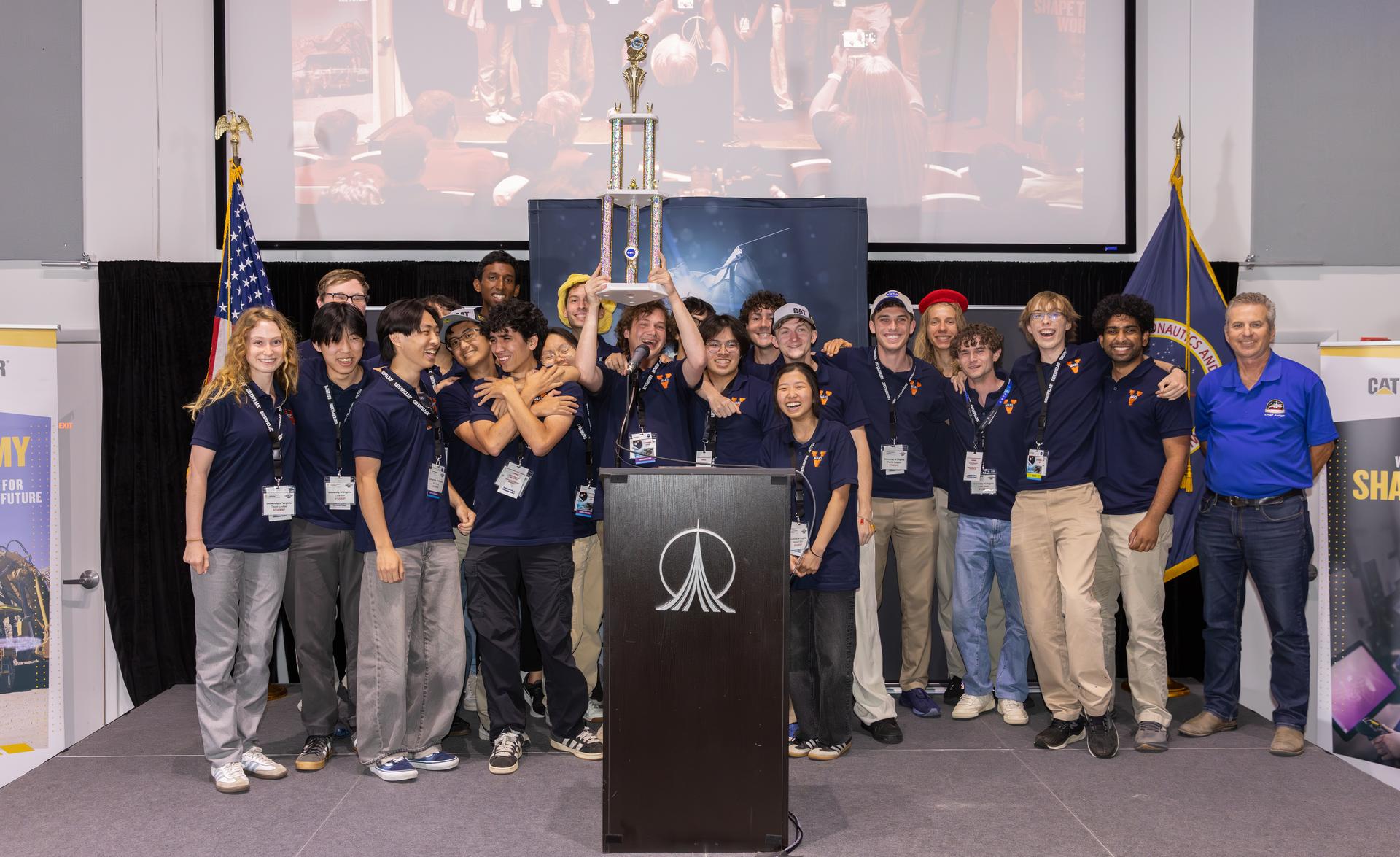
NASA’s 2026 Lunabotics: Winning Student Teams Engineering Lunar Future
NASA has concluded its 2026 Lunabotics Challenge, a strategic initiative designed to accelerate the development of hardware for a permanent Moon Base. College student engineers gathered at the Astronauts Memorial Foundation’s centre for Space Education at the Kennedy Space centre Visitor Complex in Florida to demonstrate systems engineering expertise critical for long-term lunar infrastructure.
The University of Virginia earned the Off World Grand Prize, the competition’s top honor for overall excellence. The team secured the win by completing all events and achieving the highest overall score, demonstrating resilience after reconfiguring their robot to operate on three wheels when one detached during the finals.
Systems Engineering Over Raw Output
Judges emphasized that the competition rewards comprehensive system reliability rather than a single metric. Robert Mueller, senior technologist at NASA Kennedy’s Swamp Works and lead judge, noted that the team building the biggest berm did not necessarily win the Grand Prize.
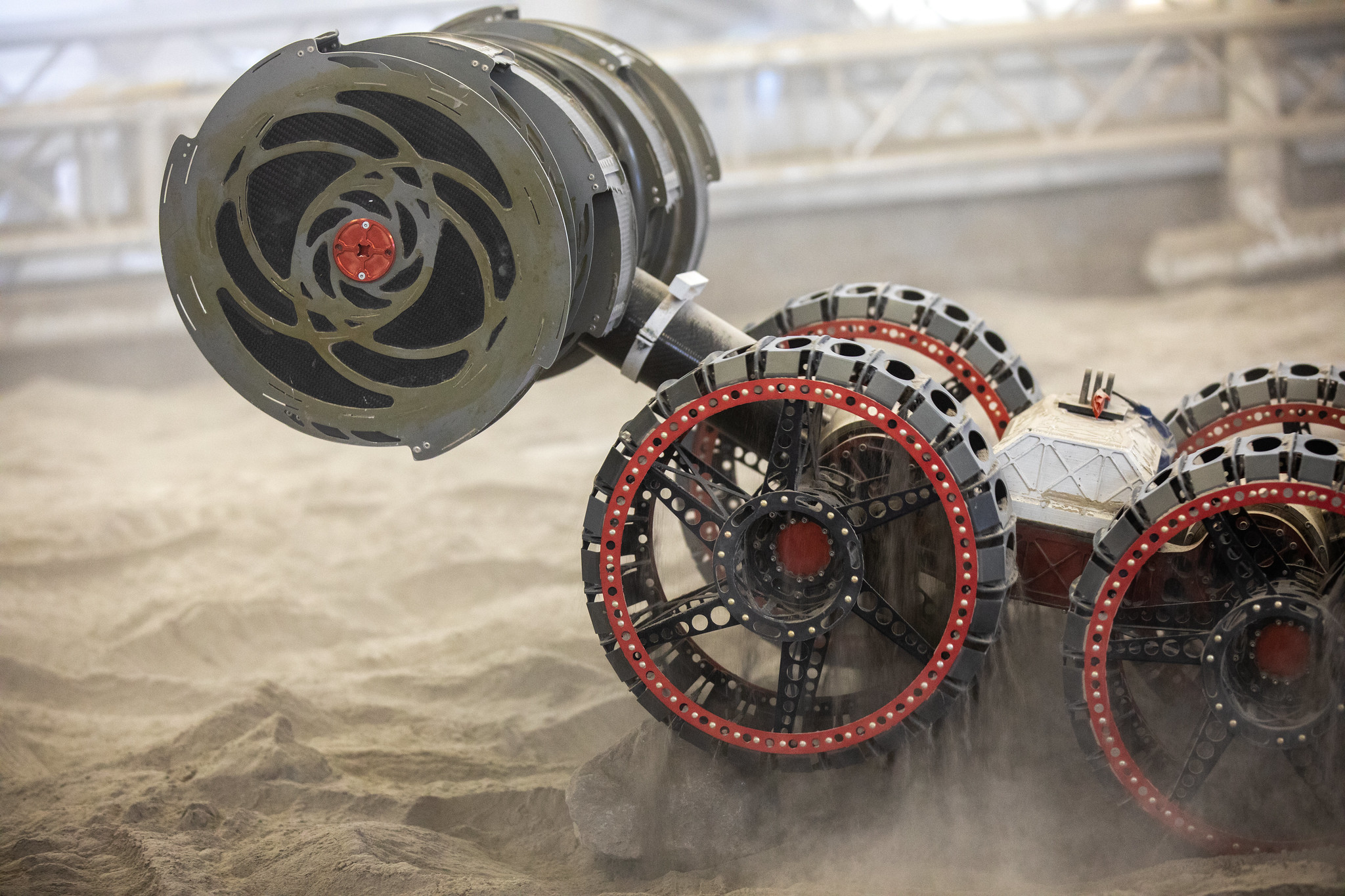
Success was measured across four main criteria: a STEM industry plan, a systems engineering paper, presentations and demonstrations, and robotic construction. Performance metrics included robot weight, energy use, communications performance, and the level of autonomy.
Scaling Autonomous Infrastructure
The competition serves as a practical application of NASA’s Systems Engineering Process, which integrates hardware, software, and procedures to create high-reliability systems. Organizers reported that the engineering prowess displayed this year was among the strongest in the 17-year history of the challenge.
The robots operated within the Artemis Arena, a test bed filled with lunar soil simulant designed to mimic the uneven terrain of the Moon. This environment allowed teams to test their ability to excavate and transport material to build berms, which provide essential structure and protection.
Strategic Implications for Lunar Presence
The outcomes of the Lunabotics Challenge align with the broader goals of the Artemis II mission to establish a sustainable human presence on the Moon. Autonomous robots capable of shaping local lunar soil into berms could play a vital role in protecting landing sites and supporting power systems.
This student-led innovation may inform the Infrastructure Pilot Excavator (IPEx), a project developed at Kennedy’s Swamp Works. IPEx is poised to launch via the Commercial Lunar Payload Services (CLPS) initiative to serve as an excavator and hauler of lunar regolith.
Building a Technical Pipeline
Beyond hardware development, the challenge serves as a recruitment tool for the next generation of innovators. For students, the experience mirrors industry-level problem-solving and provides a pathway to potential careers at NASA.
As NASA prepares for real missions in the coming years, the expertise gained by these students could be directly integrated into lunar construction efforts. The agency continues to use these challenges to find novel solutions to current technical hurdles.
Frequently Asked Questions
What was the primary goal of the Lunabotics qualifying round?
Teams were required to excavate and collect simulated lunar soil, transport it across challenging terrain, and construct a berm.
Which team won the award for building the biggest berm?
The College of DuPage in Glen Ellyn, Illinois, took home the prize for building the biggest berm.
What is the purpose of the IPEx project?
The Infrastructure Pilot Excavator (IPEx) is designed to efficiently dig and transport lunar regolith to support human exploration and the use of lunar resources.
How might the increase in fully autonomous robotics change the timeline for establishing a permanent lunar base?