
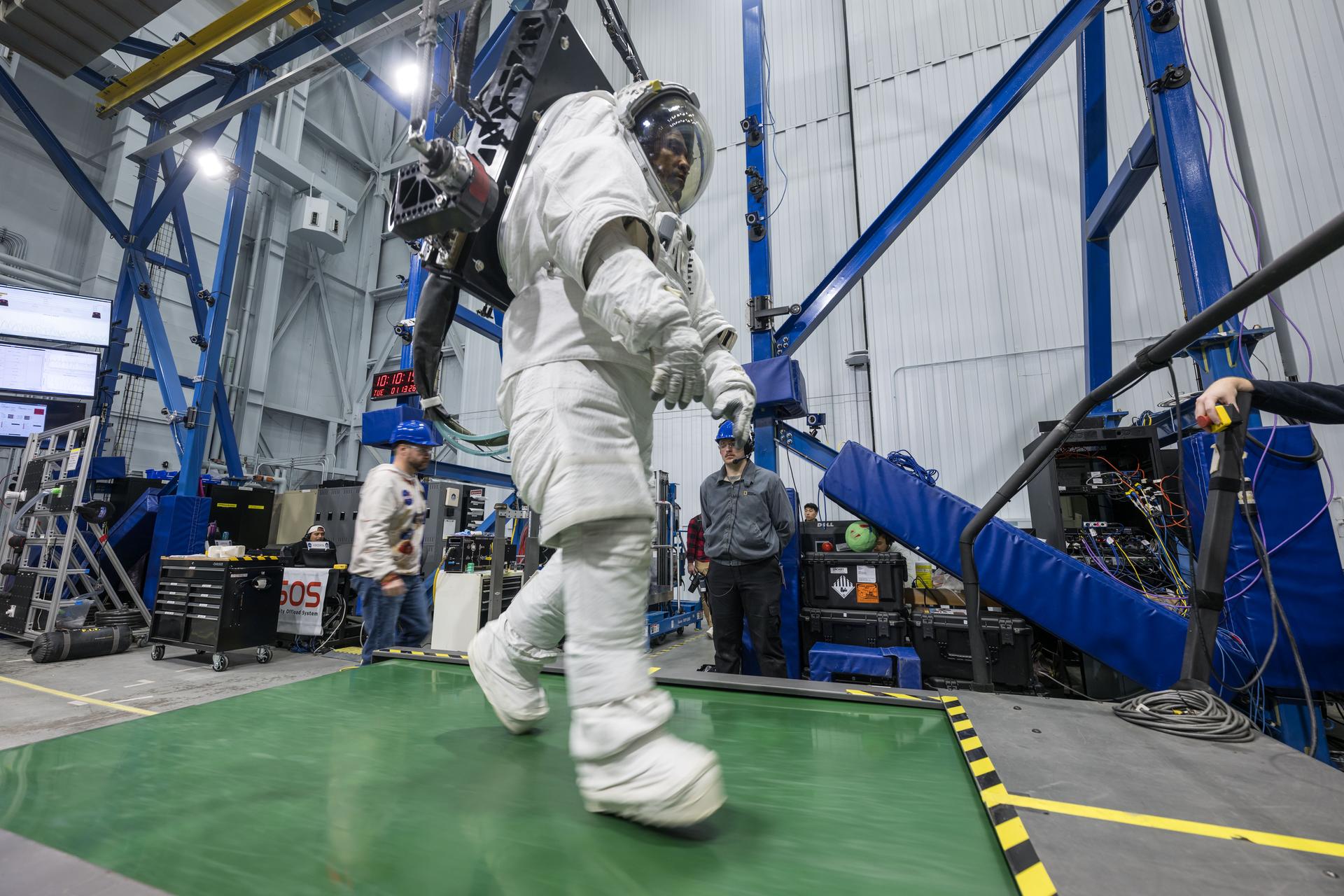
NASA’s Artemis II Moon Research Advances on Earth
The Future of Human Spaceflight: Lessons from Artemis II
The successful splashdown of the Artemis II crew on April 10, 2026, marked more than just a return to Earth; it signaled the dawn of a new era in deep-space exploration. By analyzing how the human body adapts to the rigors of lunar travel, NASA is effectively drafting the playbook for long-term survival on the Moon, Mars, and beyond.
Decoding the “Virtual Astronaut”
One of the most groundbreaking trends emerging from the mission is the use of organ-on-a-chip technology. Through the AVATAR (A Virtual Astronaut Tissue Analog Response) investigation, researchers sent bone marrow cells from each crew member around the Moon.
By comparing these “space-flown” cells to ground-based controls using single-cell RNA sequencing, scientists are gaining a molecular-level understanding of how deep-space radiation affects human biology. In the future, this data could allow NASA to send personalized “organ chips” ahead of human crews to test how specific individuals might respond to the unique stressors of a specific mission, effectively creating a bespoke medical kit for every astronaut.
The Next Frontier: Personalized Space Medicine
The goal is clear: moving from reactive medicine to predictive, personalized care. As NASA builds a sustainable presence on the lunar surface, the ability to monitor health in real-time becomes critical. The data collected from the Artemis II Spaceflight Standard Measures study—ranging from blood pressure and heart rate to immune biomarkers—will be stored in the Life Sciences Data Archive.
Pro Tip for Aspiring Space Scientists
NASA frequently hosts challenges related to human research data. Keep an eye on the official Artemis X feed for opportunities to participate in data methodology challenges, which are open to researchers and data scientists looking to contribute to the future of space health.
Building a Digital Library of the Moon
Beyond human health, the mission captured a treasure trove of lunar geology data. With over 11,500 images and hundreds of audio files being prepped for the Planetary Data System, the scientific community is gaining unprecedented access to high-resolution observations of impact craters, lava flows, and surface ridges.

This massive data release is designed for longevity. By converting files into standardized, searchable formats, NASA is ensuring that current and future generations of planetary scientists can utilize the Artemis II mission as a foundational reference for landing site selection and resource identification on the Moon.
Frequently Asked Questions (FAQ)
- Why are organ chips sent to space? They allow scientists to study how microgravity and radiation affect human cells at a molecular level without risking human health during the experimental phase.
- How does Artemis II help us get to Mars? The mission tests how quickly astronauts can perform mission-critical tasks immediately after landing, which is vital for Mars missions where no ground support will be available.
- Where can I see the Artemis II mission data? NASA is releasing the mission’s science imagery and audio recordings through the Planetary Data System archive.
What part of the Artemis mission excites you most—the medical breakthroughs or the high-resolution lunar mapping? Let us know in the comments below, and don’t forget to subscribe to our newsletter for the latest updates on the next giant leap in space exploration.