
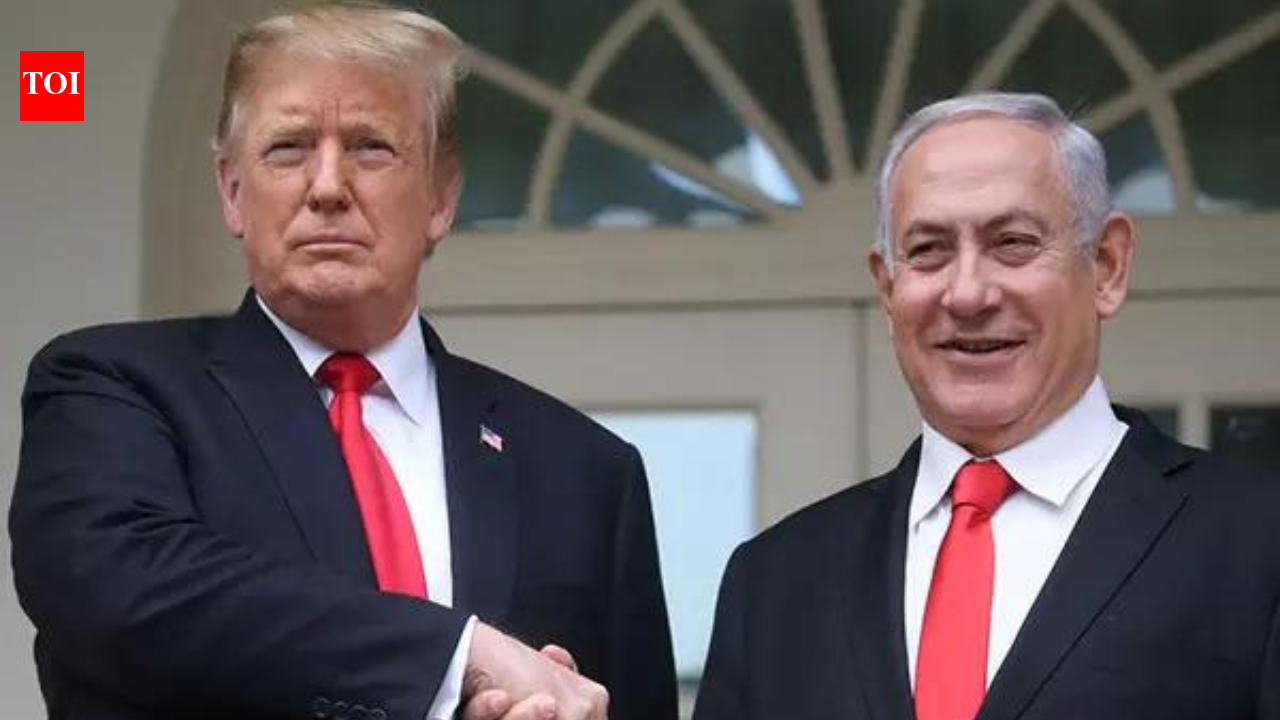
Netanyahu Downplays Rift With Trump Despite Tactical Disagreements
Beyond the Rhetoric: Decoding the Trump-Netanyahu Dynamic
In the high-stakes world of international diplomacy, the relationship between a superpower president and a key regional ally is rarely a smooth, unbroken line. Recent reports of a heated phone exchange between US President Donald Trump and Israeli Prime Minister Benjamin Netanyahu have sparked global speculation about a potential rift. However, seasoned observers suggest that what we are witnessing is not a breakdown, but the friction inherent in high-level geopolitical alignment.
Netanyahu recently characterized these clashes as “tactical disagreements,” akin to those found in the “best of families.” But what does this mean for the future of Middle Eastern stability? The answer lies in the complex intersection of personal rapport and strategic necessity.
Strategic Alignment vs. Tactical Friction
The core of the US-Israel partnership remains anchored in shared security objectives. Both leaders are fundamentally aligned on two critical pillars: containing Iran’s nuclear ambitions and neutralizing the threat posed by Hezbollah.
While Trump has expressed frustration over the pace of military operations in Lebanon—fearing they complicate broader diplomatic maneuvers—the underlying goal remains the same. Historically, US-Israel relations have weathered significant storms, from policy differences in the 1980s to tensions during the Obama administration. The current situation suggests that while the “style” of engagement may be volatile, the “substance” of the alliance remains remarkably resilient.
The Lebanon Factor: A New Security Paradigm
The conflict in Lebanon has become the primary theater where US diplomatic patience meets Israeli military urgency. Netanyahu has maintained that any long-term peace in the region is contingent upon the disarmament of Hezbollah. He views this as a prerequisite for regional stability, whereas the US administration is often focused on the delicate task of balancing these local conflicts with a wider, regional diplomatic settlement.
Looking ahead, we can expect a “push-pull” trend to continue:
- Diplomatic Pressure: The US will likely continue to exert pressure to limit the scope of conflict to avoid a broader regional conflagration.
- Security Autonomy: Israel will continue to prioritize its own intelligence-led security assessments, even when they diverge from Washington’s preferred timelines.
Did you know? The US-Israel relationship is codified through a 10-year Memorandum of Understanding (MOU) on military aid, ensuring that regardless of interpersonal tensions, the structural support for Israel’s defence remains a bipartisan cornerstone of US foreign policy.
Future Trends: What to Watch
As we look toward the next few years, the relationship between these two leaders will likely be defined by “transactional realism.” Expect to see a focus on:
- Energy Security: Cooperation on Eastern Mediterranean energy projects will likely become a bargaining chip for regional stability.
- The Iran File: Expect renewed efforts to form a unified front against Iranian influence, potentially reviving aspects of the Abraham Accords logic to consolidate regional alliances.
- Domestic Pressure: Both leaders face significant domestic scrutiny. Their public posturing is often as much for their home constituencies as This proves for the international community.
Frequently Asked Questions (FAQ)
Q: Is the rift between Trump and Netanyahu genuine?
A: While personal tensions and strong language have occurred, both leaders have publicly confirmed that their core strategic goals remain aligned. Most analysts view these as tactical disagreements rather than a fundamental shift in the US-Israel alliance.
Q: Why is Trump frustrated with the fighting in Lebanon?
A: Trump has indicated that the ongoing intensity of the conflict complicates his broader diplomatic efforts, specifically regarding regional negotiations involving Iran and the stabilization of the Middle East.
Q: Will this affect US military aid to Israel?
A: Historically, the US-Israel security relationship is robust, and institutionalized. Short-term diplomatic friction has rarely, if ever, resulted in a cessation of the core military cooperation and intelligence sharing that defines the partnership.
What do you think about the future of the US-Israel alliance? Does the “tactical disagreement” narrative hold water, or are we seeing a shift in the region? Join the conversation in the comments below or subscribe to our newsletter for deep-dive geopolitical analysis delivered to your inbox.