
New Cholesterol Treatment Breakthrough Targets Protein Production Instead of Removal
A recent scientific study published in the journal Communications Biology has unveiled a potential breakthrough in how medical researchers approach high cholesterol. By shifting the focus from accelerating the body’s removal of cholesterol to inhibiting its production at the source, this new methodology could offer a transformative path for patients, particularly those with familial hypercholesterolemia (FH).
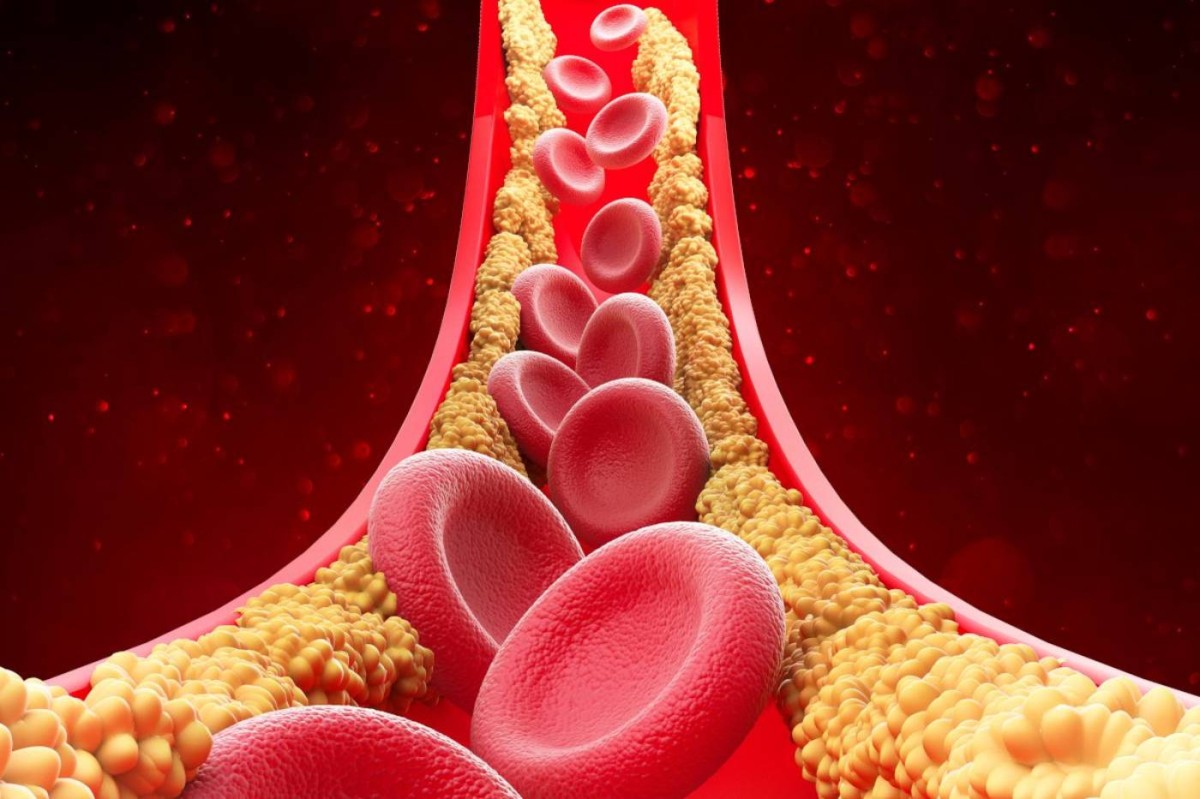
Familial hypercholesterolemia is a common genetic disorder affecting approximately one in every 200 adults worldwide. It impairs the body’s ability to clear low-density lipoprotein (LDL)—often referred to as “bad” cholesterol—from the blood. In healthy individuals, the liver uses specific receptors known as LDLR to capture and break down these particles. However, in those with FH, genetic mutations cause these receptors to function poorly or fail entirely, leading to a long-term buildup of cholesterol that significantly increases the risk of serious cardiac events, including heart attacks.
The Shift from Clearance to Production
Standard treatments, such as statins, typically function by boosting the activity of LDLR receptors. This strategy, however, often proves ineffective for patients with severe mutations or a total absence of these receptors. Researchers at the Medical University of South Carolina have therefore pivoted toward a strategy of reducing cholesterol production from the start.
The team concentrated on apolipoprotein B (apoB), a protein essential for the construction of LDL particles. Without apoB, the body cannot properly form these harmful cholesterol molecules. Targeting this protein offers a way to reduce LDL levels in the blood independently of the LDLR receptors, potentially providing a new therapeutic avenue for patients who do not respond to traditional treatments.
Testing Through Innovative Models
To validate this hypothesis, the scientists employed induced pluripotent stem cells (iPSCs). By reprogramming these into liver-like cells, they created a high-fidelity platform to simulate human liver function. When initial tests on traditional mouse models failed to yield the same results due to biological differences between species, the researchers transitioned to “Avatar mice”—animals modified to contain human liver cells. This allowed the team to observe a marked reduction in lipid levels, suggesting these compounds may one day be viable for human use.
Future Implications and Challenges
While the findings are promising, several questions remain regarding the long-term safety and molecular interactions of these compounds. Future research will need to determine if these treatments can be safely integrated with existing cholesterol-lowering therapies to provide more comprehensive care. Initial follow-up data for one of the lead compounds, known as DL-1, showed that it affected only 182 genes without disrupting major biological pathways, suggesting a potentially selective and safe therapeutic profile.

Frequently Asked Questions
What is familial hypercholesterolemia?
It is a common genetic disorder that impairs the body’s ability to remove LDL cholesterol from the blood, often due to mutations in the LDLR gene.
Why is the new approach different from statins?
While statins work by enhancing the activity of LDL receptors to clear cholesterol, this new approach targets the apolipoprotein B (apoB) protein to reduce the production of LDL particles entirely.
Are these compounds ready for use in humans?
Not yet. While the compounds showed success in “Avatar mice” with human liver cells, researchers must still conduct further studies to understand their long-term safety and molecular mechanisms.
How might the integration of stem cell technology change the way we develop future heart health medications?