
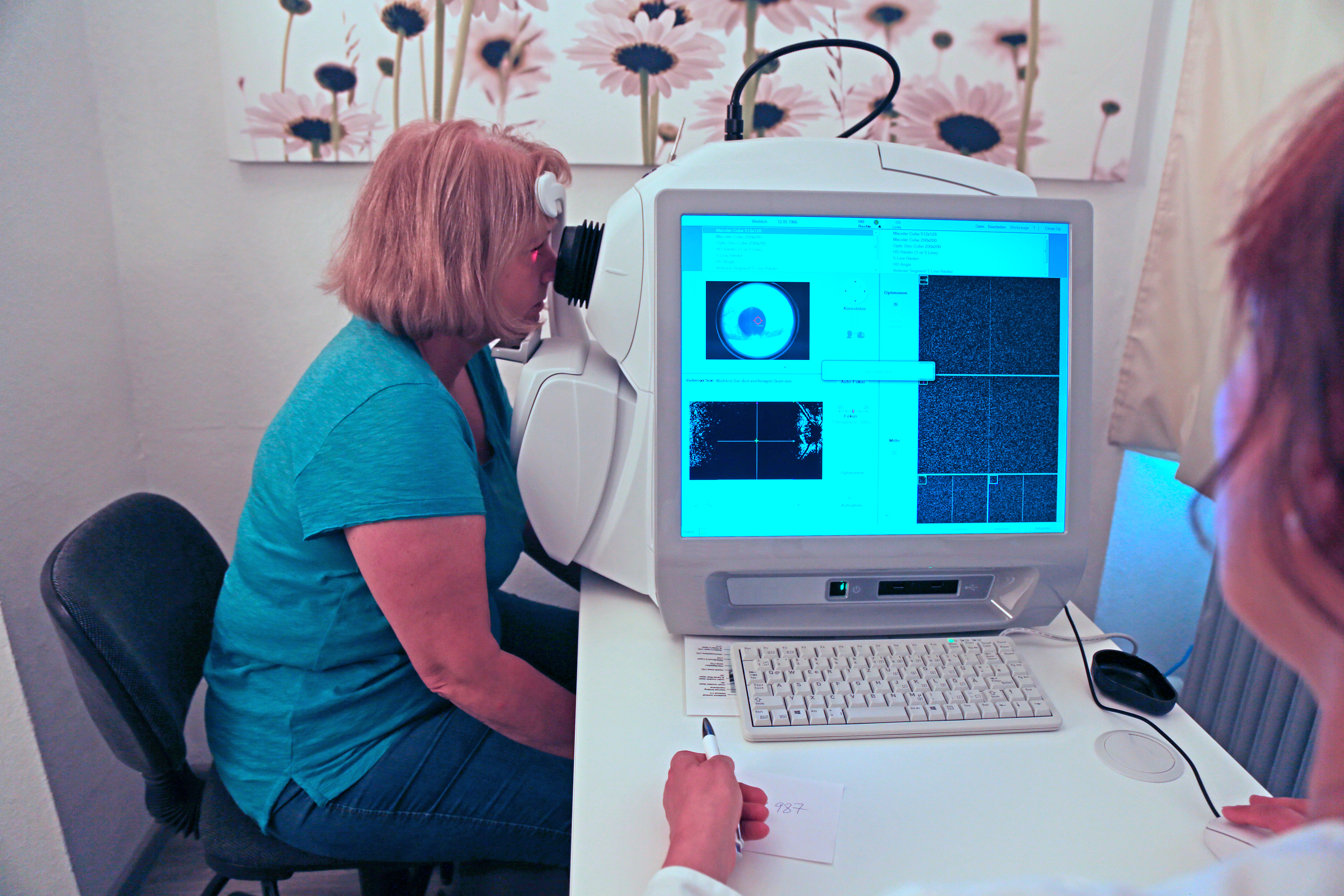
New Genetic Breakthrough Reveals Hidden Causes of Retinitis Pigmentosa
Retinitis pigmentosa, a genetic eye condition affecting approximately one in 5,000 people globally, has long presented a diagnostic puzzle for clinicians and families alike. The disease typically manifests as night blindness in youth, eventually progressing toward tunnel vision and potential total blindness as light-sensitive photoreceptors in the retina perish.
Unlocking the Genetic Mystery
While over a hundred genes have been linked to this condition, the underlying cause remains elusive for 30 to 40% of patients, even after extensive DNA testing. This clinical uncertainty often leaves families searching for answers for years. A recent study of nearly 5,000 participants from 62 families has now shed light on these previously undiagnosed cases.

Researchers identified specific genetic modifications in 153 patients that occur not in protein-coding genes, but in non-coding RNA molecules. These molecules play a critical role in cellular splicing, a process that edits genetic information before proteins are synthesized.
The Significance of RNA Variants
The study reveals that all identified variants cluster in a critical region where U4 and U6 RNA molecules connect. This site serves as a vital interaction point for proteins involved in RNA splicing. Interestingly, while some variants of the RNU4-2 gene are known to cause neurodevelopmental disorders, the specific variants identified in this research are linked exclusively to retinal health.
This discovery bridges a significant gap in our understanding of how the body processes genetic information. It confirms that the pathology of retinitis pigmentosa can stem from mutations in splicing proteins—such as PRPF3, PRPF8, and PRPF31—or from pathogenic variants within the RNA molecules themselves. Essentially, multiple components of the same cellular machinery can trigger the disease when altered.
Future Implications for Care
For the families involved, this research provides a long-awaited molecular diagnosis. As genetic testing methodologies evolve, these findings may serve as a foundation for identifying a larger number of patients who were previously left without a clear explanation for their vision loss.
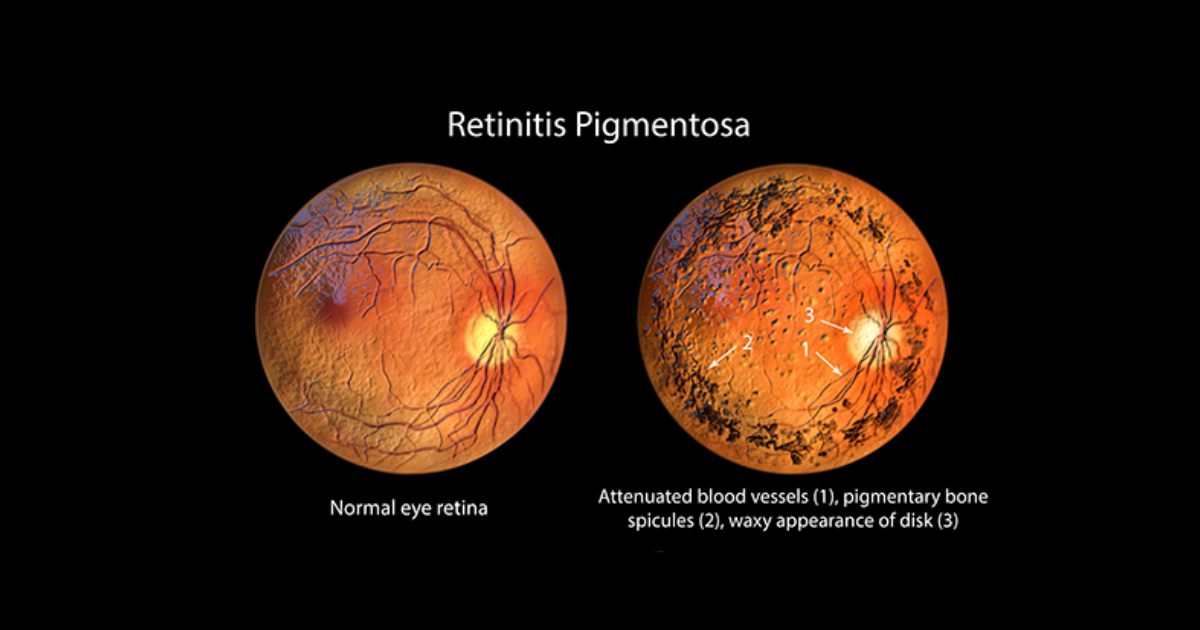
Looking ahead, the emergence of these findings could pave the way for new therapeutic approaches. Because these variants involve RNA, they may eventually become targets for specialized RNA-based therapies. While the disease remains incurable today, the ability to pinpoint these specific genetic triggers is a necessary step toward the development of future treatments.
Frequently Asked Questions
What is the primary cause of retinitis pigmentosa?
It’s a genetic eye disease that causes the progressive death of light-sensitive photoreceptors in the retina, often leading to night blindness and eventually tunnel vision or total blindness.
How do RNA variants contribute to this condition?
These variants occur in non-coding RNA genes involved in cellular splicing. When these molecules are altered, they disrupt the process of editing genetic information before protein synthesis, which specifically affects the retina.
Can these genetic variants occur spontaneously?
Yes, the study indicates that these variants can be inherited from generation to generation or appear for the first time as “de novo” mutations in affected patients.
How do you believe improved genetic diagnostic capabilities will change the daily lives of families currently navigating hereditary vision loss?