
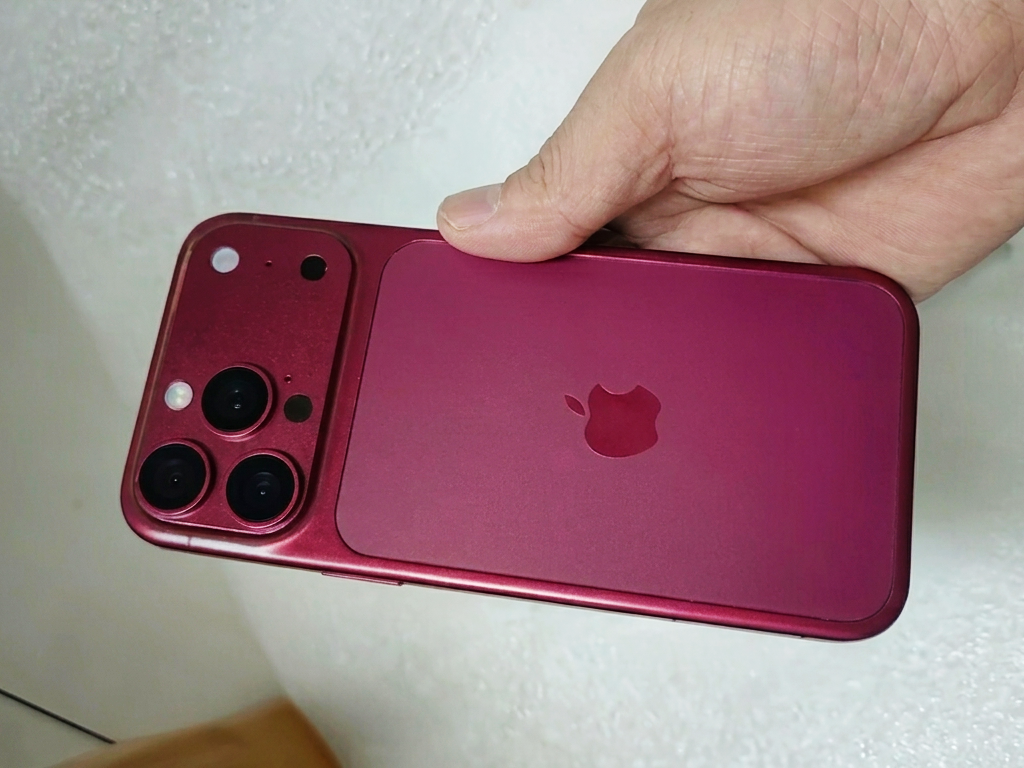
New iPhone 18 Pro battery leak just changed the story for non-US buyers
Apple’s upcoming iPhone 18 Pro is set to introduce a subtle but strategically significant battery upgrade, with leaked figures revealing a 4,056 mAh capacity for physical SIM models and 4,288 mAh for eSIM-only variants. While the raw numbers reflect modest improvements over the iPhone 17 Pro—68 mAh for physical SIM units and 36 mAh for eSIM—the real story lies in Apple’s expansion of eSIM adoption to Europe, a move that could reshape regional device configurations and consumer expectations.
Why the Battery Split Matters
The iPhone 18 Pro’s battery capacity follows a pattern observed in past leaks for the Pro Max, where eSIM models consistently feature larger batteries than physical SIM variants. For European buyers, this marks the first time Apple is offering the larger 4,288 mAh battery in eSIM-only models, a shift that could address long-standing complaints about battery life in the region. Historically, European iPhone models have lagged behind others in battery capacity, and this change may signal Apple’s effort to standardize hardware globally.
Beyond capacity, the iPhone 18 Pro’s battery story is intertwined with its new A20 Pro chip, built on TSMC’s 2 nm process. While the mAh figures are incremental, the chip’s expected power efficiency improvements could translate to longer real-world battery life, mitigating concerns about the modest capacity gains.
A Potential Shift Toward eSIM Exclusivity
Leaks suggest Apple may take a bolder step with the iPhone 18 lineup by dropping physical SIM support entirely in some markets, a move that could eliminate regional battery disparities. If implemented, this would align global iPhone configurations, ensuring all buyers—regardless of region—receive the same hardware specifications. The iPhone 18 Pro’s battery split hints at a possible transition, with eSIM models already commanding larger capacities in both Pro and Pro Max variants.
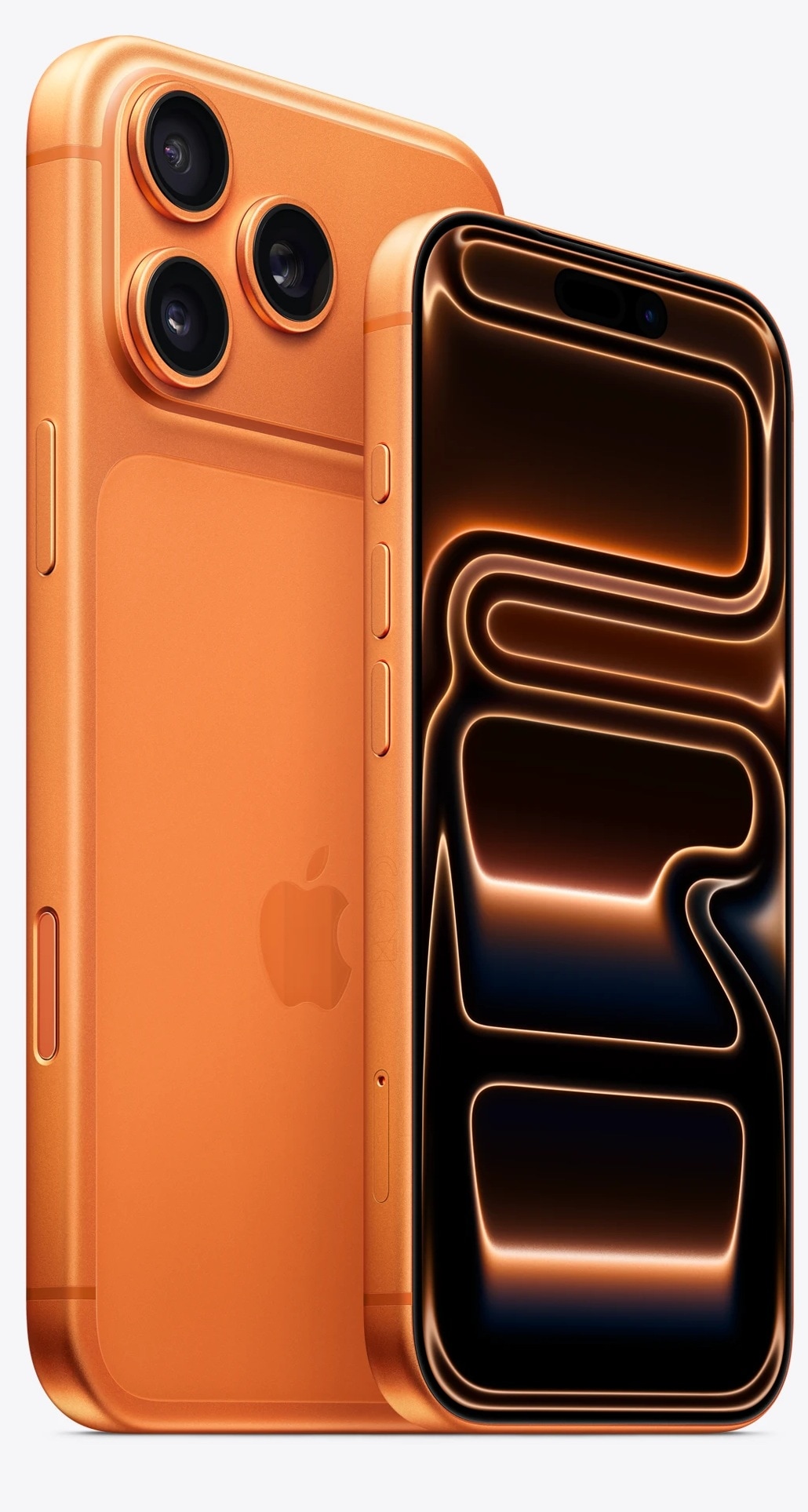
For European consumers, this could mean automatic access to the higher-capacity battery without requiring a physical SIM slot, a development that may influence carrier partnerships and regulatory discussions around eSIM adoption.
What Could Come Next?
If Apple proceeds with eSIM-only models globally, the iPhone 18 Pro may serve as a test case for eliminating physical SIM slots entirely in future iterations. This could simplify device design, lower costs, and align Apple’s hardware with competitors like Samsung, which has already embraced eSIM exclusivity in some regions. However, the transition would require carriers to invest in eSIM infrastructure, potentially slowing adoption in markets where physical SIMs are still preferred.
Analysts expect Apple to reveal the iPhone 18 Pro’s specifications in September, with the battery details serving as a minor but telling indicator of broader hardware and regional strategy shifts.
Frequently Asked Questions
Will the iPhone 18 Pro’s battery last longer than the iPhone 17 Pro?
The leaked figures show a slight increase in capacity (68 mAh for physical SIM, 36 mAh for eSIM), but real-world improvements may depend on the A20 Pro chip’s power efficiency, which could offset the modest mAh gains.
Why does Europe get a larger battery in eSIM models?
Historically, European iPhone models have featured smaller batteries compared to other regions. The iPhone 18 Pro’s eSIM-only models in Europe will include the larger 4,288 mAh battery, a change that could standardize capacity across markets.
Could Apple drop physical SIMs entirely?
Leaks suggest the iPhone 18 lineup might phase out physical SIM support globally, which would eliminate regional battery differences and simplify production. However, this remains speculative until confirmed by Apple.
As Apple expands eSIM adoption, how might this affect carriers and consumers in markets where physical SIMs are still the norm?