
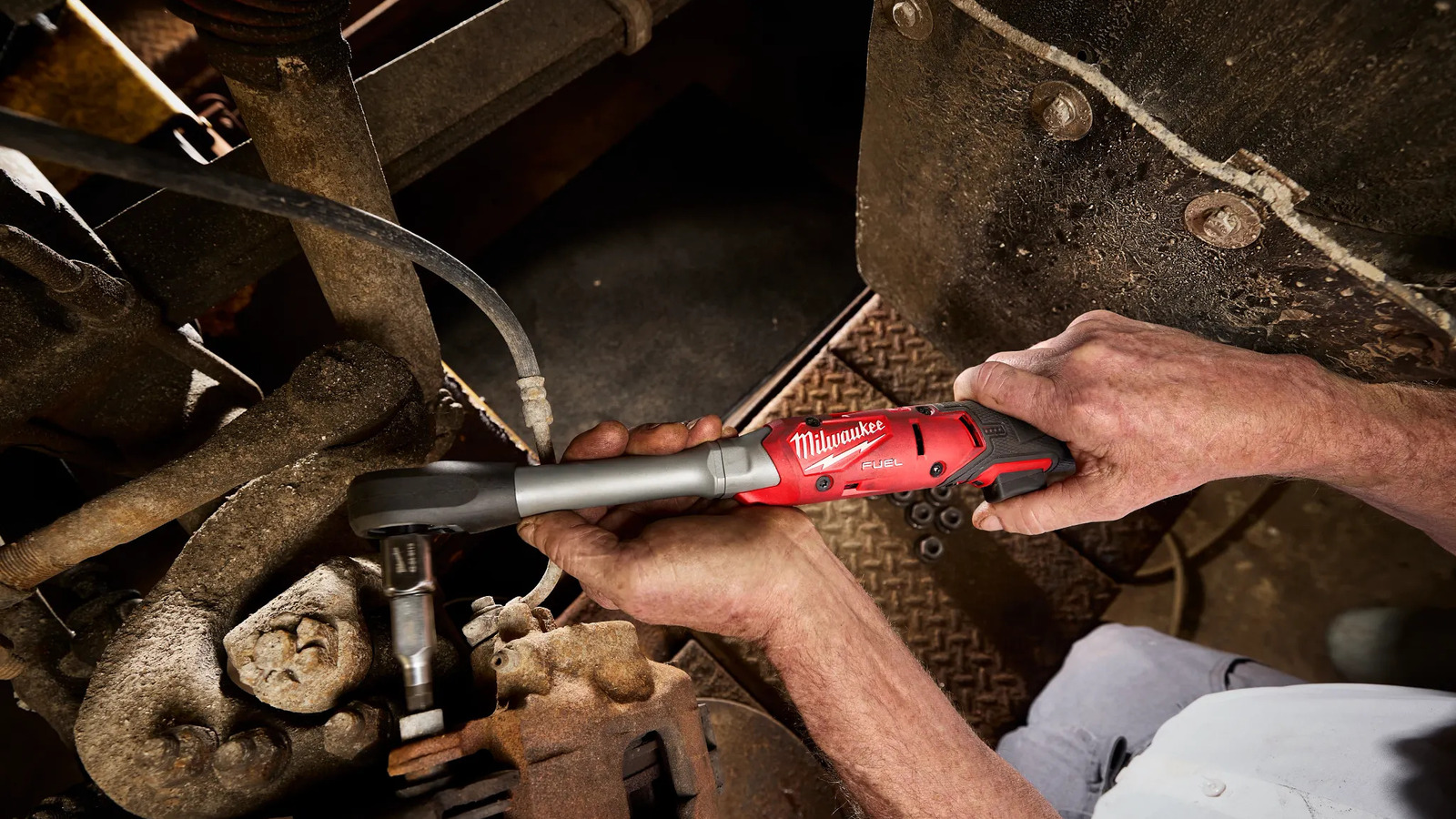
New Milwaukee M12 FUEL Extended Reach Ratchets: Price and Specs
The recent evolution of the M12 FUEL extended-reach lineup isn’t just about adding a few inches to a tool’s neck; it’s a signal of where the professional fastening industry is headed. For years, technicians had to choose between the raw power of pneumatic tools and the convenience of cordless options. That gap is closing rapidly.
As we look at the current trajectory of power tools, we are seeing a shift toward “specialized versatility”—tools that are engineered for highly specific spatial constraints without sacrificing the torque required for heavy-duty automotive or industrial work.
The Race for Power Density: Smaller Motors, Bigger Torque
The most significant trend in cordless fastening is the obsession with power density. The leap from first-generation extended reach models to the current M12 FUEL series demonstrates a clear goal: maximizing torque while minimizing the tool’s footprint.
For example, seeing a 1/2-inch ratchet deliver 80 ft-lbs of torque in a cordless, extended-reach form factor was unthinkable a decade ago. This is driven by advancements in brushless motor technology and more efficient planetary gear systems.
In the coming years, expect to see “smart torque” integration. We are moving toward a future where tools can communicate with a technician’s tablet or smartphone, allowing them to preset exact torque specifications to prevent over-tightening in critical engine components.
Ergonomics and the “Access-First” Design Philosophy
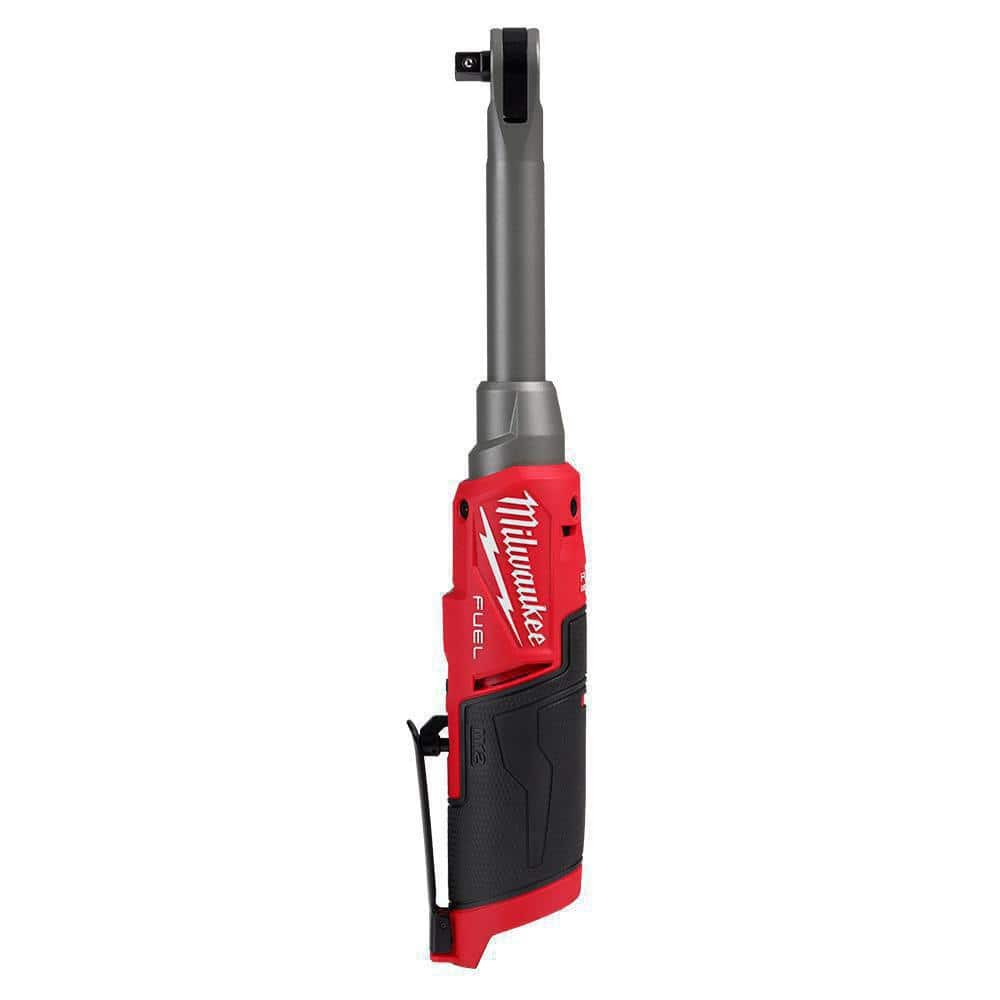
The industry is moving away from “one size fits all” tools. The existence of three distinct sizes (1/4″, 3/8″, and 1/2″) in the extended-reach category proves that professionals need tools tailored to the specific cavity they are working in.
Future trends suggest a move toward modularity. We are already seeing this with the introduction of interchangeable button and paddle caps. The next step is likely modular head attachments that allow a single tool body to switch between different drive sizes or head angles.
Real-world application is key here. In modern EV (Electric Vehicle) maintenance, components are packed tighter than ever. The demand for tools that can reach deep into a chassis without requiring a dozen different extensions is only going to grow.
The “Ecosystem Lock-in” and Battery Evolution
The success of platforms like Milwaukee’s M12 system highlights a broader trend: the ecosystem strategy. Professionals are no longer buying a tool; they are investing in a battery platform.
The shift toward High Output (HO) batteries means that the “cordless penalty”—the loss of power compared to air tools—is virtually gone. As battery chemistry evolves (moving toward solid-state or advanced lithium-phosphates), we can expect these ratchets to become even lighter while offering longer runtimes.
We are also seeing a trend toward “kit-centric” purchasing. By bundling batteries, chargers, and protective boots, manufacturers are ensuring that the tool is protected and ready for the rigors of a professional shop environment from day one.
The Decline of the Pneumatic Shop
For decades, the air hose was the lifeline of the mechanic’s shop. However, the mobility offered by cordless extended-reach ratchets is killing the pneumatic monopoly.
The data shows a clear preference for cordless tools in “walk-around” maintenance. Eliminating the trip hazard of air hoses and the noise of compressors makes for a safer, more efficient workspace. The future of the professional shop is wireless, with charging stations replacing the central compressor.
Frequently Asked Questions
Which drive size is best for general automotive work?
The 3/8-inch drive is generally the most versatile, offering a balance of torque (70 ft-lbs) and speed (400 RPM) that handles most engine bay tasks.
What is the benefit of an “Extended Reach” ratchet over a standard one?
Extended reach ratchets allow you to access recessed bolts in deep cavities without needing to add multiple extensions, which reduces the risk of the tool flexing or slipping.
Are cordless ratchets as durable as manual ones?
Modern FUEL-grade tools use alloy steel and reinforced housings to match the durability of manual tools, though they require more careful battery management.
Upgrade Your Toolbox
Are you still relying on air hoses, or have you made the jump to a cordless ecosystem? Let us know your experience with extended-reach tools in the comments below!