
New Near-Infrared Light Therapy Shows Promise for Treating Dry AMD
Age-related macular degeneration (AMD) remains a significant challenge for aging populations, affecting approximately one-third of individuals over the age of 80. With roughly 20 million Americans aged 40 and older living with the condition, the prevalence of the dry form of AMD has created an urgent need for earlier intervention. While the disease typically progresses gradually, it eventually compromises central vision, hindering the ability to read, drive, or recognize faces.
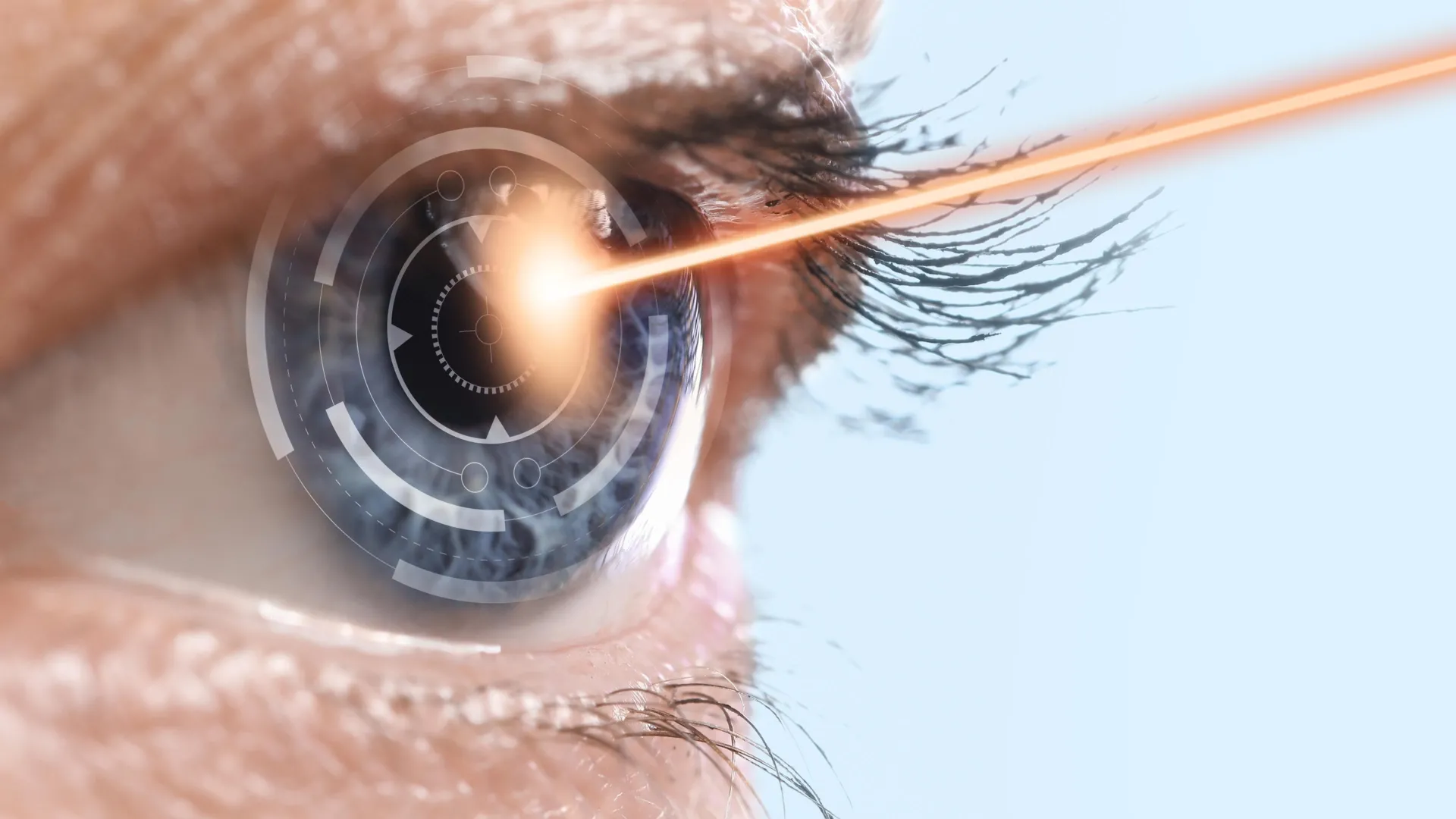
A new research initiative from Aalto University, published in Nature Communications on October 29, 2025, proposes a shift in how we approach this condition. Rather than attempting to replace cells after vision has deteriorated, researchers are investigating whether they can bolster the eye’s natural defenses before severe damage occurs. The strategy utilizes carefully controlled near-infrared light to deliver precise heat to the back of the eye.
Activating Cellular Cleanup
The core of the issue lies in the aging eye’s struggle with oxidative stress. As protective mechanisms weaken, proteins misfold and aggregate, leading to the formation of drusen—fatty protein deposits that serve as a primary diagnostic marker for dry AMD. These deposits interfere with the health of the macula, the area responsible for sharp central vision.
Professor Ari Koskelainen notes that the proposed treatment acts as a controlled stress signal. By warming the tissue by only a few degrees—while staying well below the 45 degrees Celsius threshold that causes damage—the system triggers the production of heat shock proteins. These proteins assist in refolding damaged components or breaking them down for reuse.
The Path Toward Human Trials
The research team, working through the startup Maculaser, has successfully tested the method in mice and pigs. The next phase involves human safety trials, which are scheduled to begin in Finland in the spring of 2026. Because the protective response may diminish days after treatment, researchers anticipate that this could function as a maintenance therapy rather than a one-time cure.
While the treatment remains experimental, the team maintains an optimistic outlook. If safety is established and subsequent efficacy studies are successful, the technology could potentially reach local ophthalmology clinics within three years.
Frequently Asked Questions
What is the primary goal of this new light-based treatment?
The goal is to gently warm tissue at the back of the eye to activate natural repair systems—specifically heat shock proteins and autophagy—before the disease causes severe, permanent vision loss.
Is this treatment intended to be a one-time cure?
No, We see likely to be a maintenance therapy. Because the protective response in cells can begin to decline some days after treatment, the procedure would likely need to be repeated at intervals.
How does this differ from other light-based treatments?
Unlike photobiomodulation, which is used in systems like the FDA-authorized Valeda device, the Aalto University method relies on carefully controlled, real-time temperature monitoring to apply heat to the retinal tissue.
How might the ability to perform proactive cellular maintenance change the way we manage age-related health conditions in the future?