
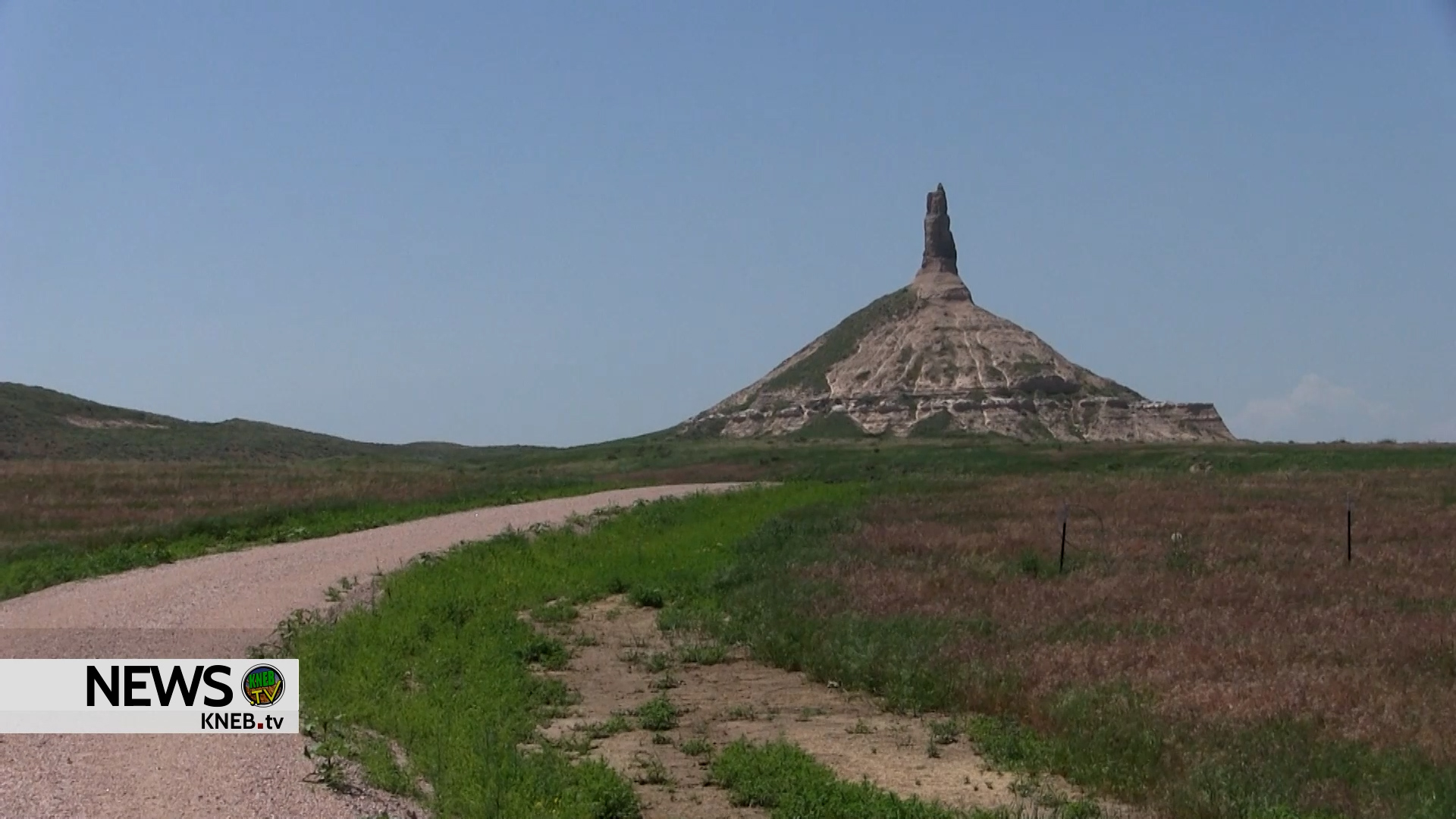
New smartphone app adds to the Walk To The Rock experience
The Nebraska State Historical Society Foundation (NSHSF) has launched the “Walk To The Rock” app, a free interactive tool available on Apple and Google Play. Powered by STQRY and funded by the Scotts Bluff Visitors Bureau, the app provides self-guided audio, photos, and stories across four distinct trails at Chimney Rock to enhance visitor engagement.
How is digital storytelling changing the visitor experience at historic landmarks?
Digital storytelling is shifting the visitor experience from passive observation to active exploration. Instead of relying solely on static signage, landmarks are implementing interactive platforms that allow guests to control the pace and depth of their learning.
According to Leslie Fattig, Executive Director of the Nebraska State Historical Society Foundation, the “Walk To The Rock” app allows visitors to explore the trail at their own pace. By delivering history, stories, and significance directly to a smartphone, the technology creates a “deeper connection to the experience.”
This trend toward “bring-your-own-device” (BYOD) tourism reduces the need for expensive physical infrastructure while allowing site managers to update content in real-time. Visitors can now access audio narration and historic images that provide a window into the lives and challenges of pioneers without needing a physical guide present.
Why are tiered trail experiences becoming the standard for outdoor museums?
Modern heritage sites are moving away from “one size fits all” tours. By offering tiered experiences based on distance and theme, sites can accommodate different physical abilities, time constraints, and interests.
The NSHSF has implemented this strategy at Chimney Rock through four distinct paths:
- Trail A: A 1.5-mile immersive path focusing on the sights and sounds of the 1800s.
- Trail B: A shorter, quarter-mile tour specifically dedicated to honoring the Native nations who have inhabited the land for centuries.
- Trail C: A .75-mile path through the high plain’s prairie.
- Trail D: A brief .16-mile “Community Trail” connecting the Ethel S. and Christopher J. Abbott Visitor’s Center to Trail C.

This variety ensures that a visitor with limited mobility or time can still engage with the site via Trail D, while those seeking a deeper dive can commit to the longer Trail A. This approach increases accessibility and ensures that no segment of the visiting public is excluded from the historical narrative.
What role does technology play in preserving diverse historical narratives?
Technology allows heritage sites to highlight marginalized or specific histories that might be overlooked in a general overview. By creating dedicated digital “layers” or specific trails, organizations can present a more nuanced view of the past.
A prime example is Trail B at Chimney Rock. By dedicating a specific quarter-mile tour to the Native nations of the region, the NSHSF uses the app to ensure these stories are not subsumed by the broader pioneer narrative. This allows for a targeted, respectful exploration of indigenous history that exists alongside the stories of the American West.
This trend suggests a future where “augmented history” allows users to toggle between different perspectives of the same landscape—seeing the land through the eyes of a pioneer on one trail and an indigenous inhabitant on another.
How do public-private partnerships drive innovation in heritage tourism?
The development of high-tech tourism tools often requires a synergy between historical expertise, technical development, and financial backing. The “Walk To The Rock” app serves as a model for this collaboration.
The project combined the historical stewardship of the Nebraska State Historical Society Foundation, the technical infrastructure of STQRY, and financial support via a grant from the Scotts Bluff Visitors Bureau. This partnership model allows non-profits to implement cutting-edge technology that would otherwise be cost-prohibitive.
As more destinations seek to attract younger, tech-savvy demographics, these types of grants and partnerships will likely become the primary vehicle for digitizing the American historical landscape.
Frequently Asked Questions
Is the Walk To The Rock app free to use?
Yes, the app is available for free on both the Apple App Store and Google Play.

What features are included in the app?
The app includes audio narration, historic images, interactive maps, and location-based content across four self-guided tours.
How long are the trails at Chimney Rock?
Trails range from the short .16-mile Community Trail (Trail D) to the more extensive 1.5-mile path (Trail A).
Who manages the Walk to the Rock trail system?
The system is owned and stewarded by the Nebraska State Historical Society Foundation.
Do I need a guide to use the trails?
No, the app is designed to provide a self-guided experience, allowing you to explore at your own pace.
What is the best way to start the tour?
Many visitors begin at the Ethel S. and Christopher J. Abbott Visitor’s Center, which connects to the trail system via Trail D.
What do you think about the shift toward digital guides in national parks and landmarks? Do you prefer a human guide or the flexibility of an app? Let us know in the comments below or subscribe to our newsletter for more updates on heritage tourism.