
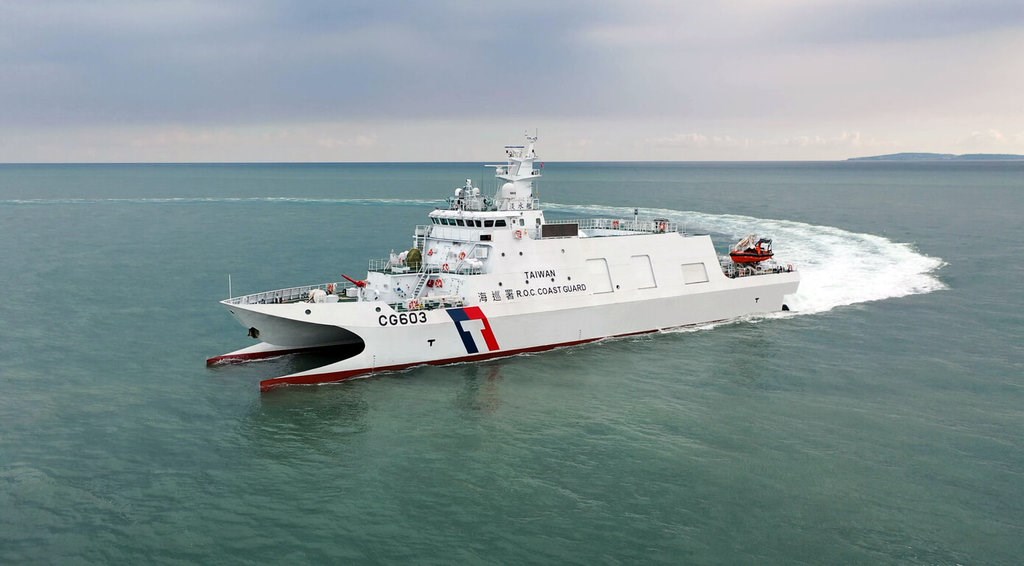
Taiwan Condemns China’s Maritime Operation East of Taiwan
China is escalating maritime pressure east of Taiwan through “special law enforcement operations,” according to the Taiwan Coast Guard Administration (CGA). Beijing claims these moves protect its sovereignty against Japan-Philippines boundary talks, while Taiwan views them as “gray-zone” tactics designed to create a false impression of Chinese jurisdiction in international waters.
Why is China targeting waters east of Taiwan?
China’s Ministry of Transport recently launched a “special maritime traffic law enforcement operation” to assert jurisdiction in the Pacific. According to the Xinhua News Agency, this move is a direct response to maritime boundary delimitation talks between Japan and the Philippines. Beijing argues these talks infringe upon its territorial sovereignty.
The Taiwan Coast Guard Administration (CGA) isn’t buying it. The CGA stated that China enjoys no sovereign rights in the waters east of Taiwan and called the operation a violation of international law. To the CGA, this isn’t about traffic safety—it’s about optics and power.
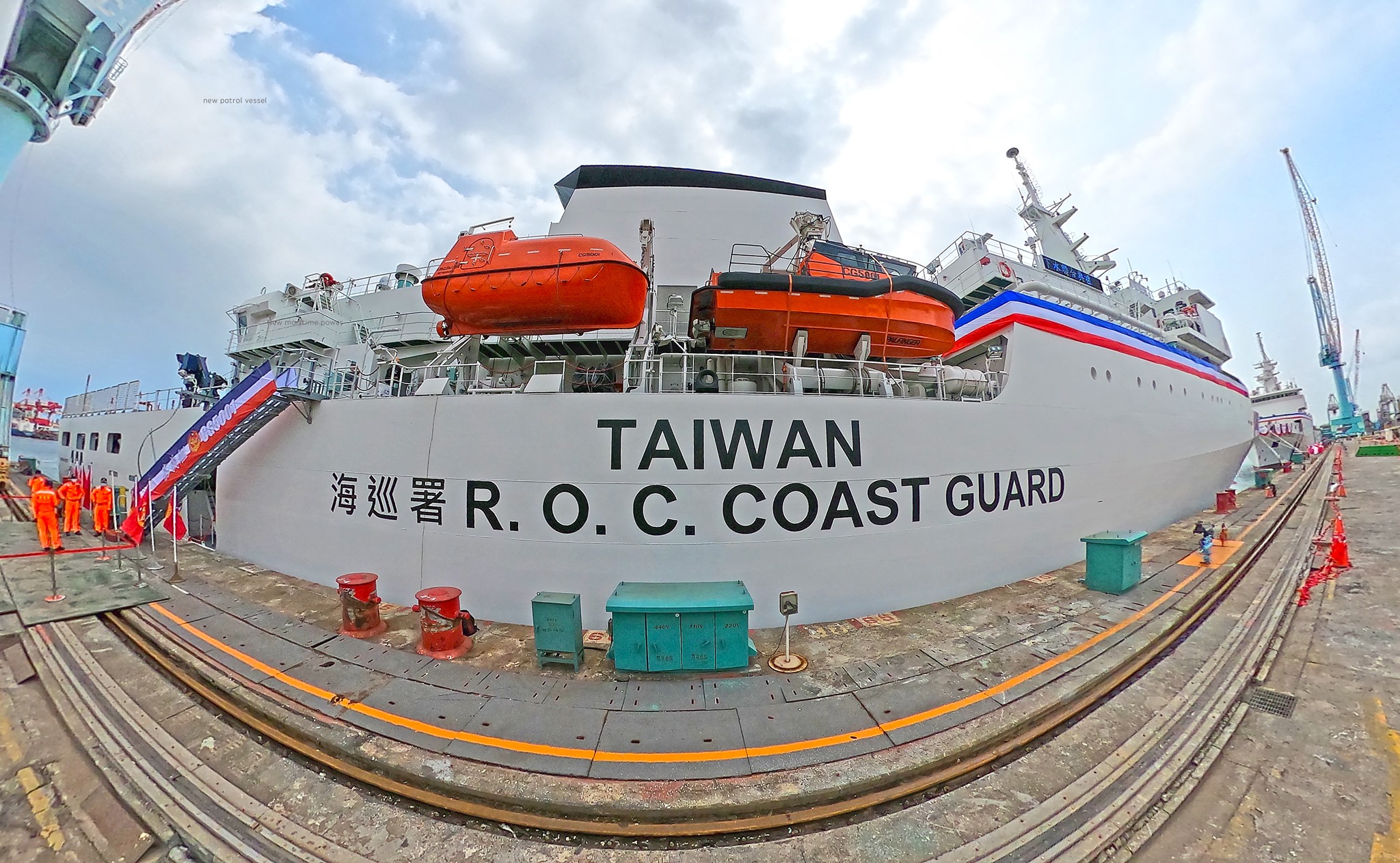
On the ground, this tension looks like a naval chess match. The CGA detected four Chinese vessels—the Haixun 06, Haixun 08, Haixun 09, and Donghaijiu 113—sailing from Xiamen toward Taiwan’s southwest. In response, Taiwan deployed five patrol vessels, including the Tamsui and Kaohsiung, to monitor the perimeter.
How do “gray-zone” tactics work in the Pacific?
The CGA describes these movements as part of a “gray-zone” pressure campaign. Gray-zone tactics are designed to achieve strategic goals without triggering a full-scale military conflict. It’s a slow creep of presence meant to normalize a state’s authority over contested waters.
The agency pointed to specific examples of this strategy. In May, the Chinese research vessel Tongji operated in waters around Taiwan. Later, the survey ship Hai Si Lu 6 made incursions near the Dongsha Islands. By mixing coast guard vessels with “research” ships, Beijing creates a veneer of administrative routine while testing Taiwan’s defenses.
This approach forces Taiwan to keep its assets on high alert. By maintaining a constant presence, China attempts to shift the “status quo” of who actually controls the sea lanes. If the world gets used to seeing Chinese ships in these waters, Beijing’s claims of jurisdiction become easier to sell globally.
What happens when EEZs overlap?
The situation is complicated by the fact that the Pacific is crowded. Taiwan’s Exclusive Economic Zone (EEZ) overlaps with those claimed by both Japan and the Philippines. This creates a diplomatic tightrope for Taipei.
Foreign Minister Lin Chia-lung noted that Japan and the Philippines are talking to counter China’s influence. However, some Taiwanese maritime experts worry that these bilateral talks could inadvertently sideline Taiwan’s own rights. If Japan and the Philippines agree on a boundary that cuts into Taiwan’s claimed EEZ, Taipei loses leverage.
This creates a strategic paradox: Taiwan needs Japan and the Philippines as allies against Beijing, but it must also compete with them for maritime legitimacy. The result is a fragile triangle of interests where one misstep could lead to diplomatic friction among democratic partners.
Where is this maritime standoff heading?
Expect to see an increase in “joint operations” involving multiple Chinese agencies. The recent operation wasn’t just the Ministry of Transport; it included the Fujian and Guangdong maritime safety administrations and the East China Sea Rescue Bureau. This “whole-of-government” approach makes the incursions look like administrative law enforcement rather than military aggression.
We will likely see more frequent deployments of “scientific” vessels. These ships provide a perfect cover for mapping the seabed and monitoring underwater acoustics, which is vital for submarine warfare. By framing these as “research” missions, China makes it harder for the CGA to justify an aggressive response without appearing to hinder scientific progress.
Ultimately, the focus will shift toward the 24-nautical-mile zone. As China pushes the boundaries, the CGA will likely increase its standby patrols. The goal for Taiwan is to maintain a “firm defense” without escalating to a point that provides Beijing a pretext for more severe actions.
For more on regional security, check out our analysis on South China Sea territorial disputes or read about the role of the US Navy in the Taiwan Strait.
Frequently Asked Questions
Does China have sovereign rights east of Taiwan?
According to the Taiwan Coast Guard Administration (CGA), China has no sovereign rights in these waters and its claims violate international law.
What is the “gray-zone” strategy?
It is a method of using non-military assets (like coast guard or research vessels) to exert pressure and claim territory without starting an actual war.
Why are Japan and the Philippines talking about boundaries?
They are discussing maritime boundary delimitation to strengthen their own positions and collectively counter China’s maritime assertions in the region.
Which vessels were involved in the recent operation?
China deployed the Haixun 06, 08, 09, and Donghaijiu 113. Taiwan responded with the Tamsui, Jian, Kaohsiung, Changbin, and Hualien patrol vessels.
Does this strategy effectively change the status quo, or is it just a temporary provocation? Let us know your thoughts in the comments below or subscribe to our newsletter for the latest updates on Indo-Pacific security.