
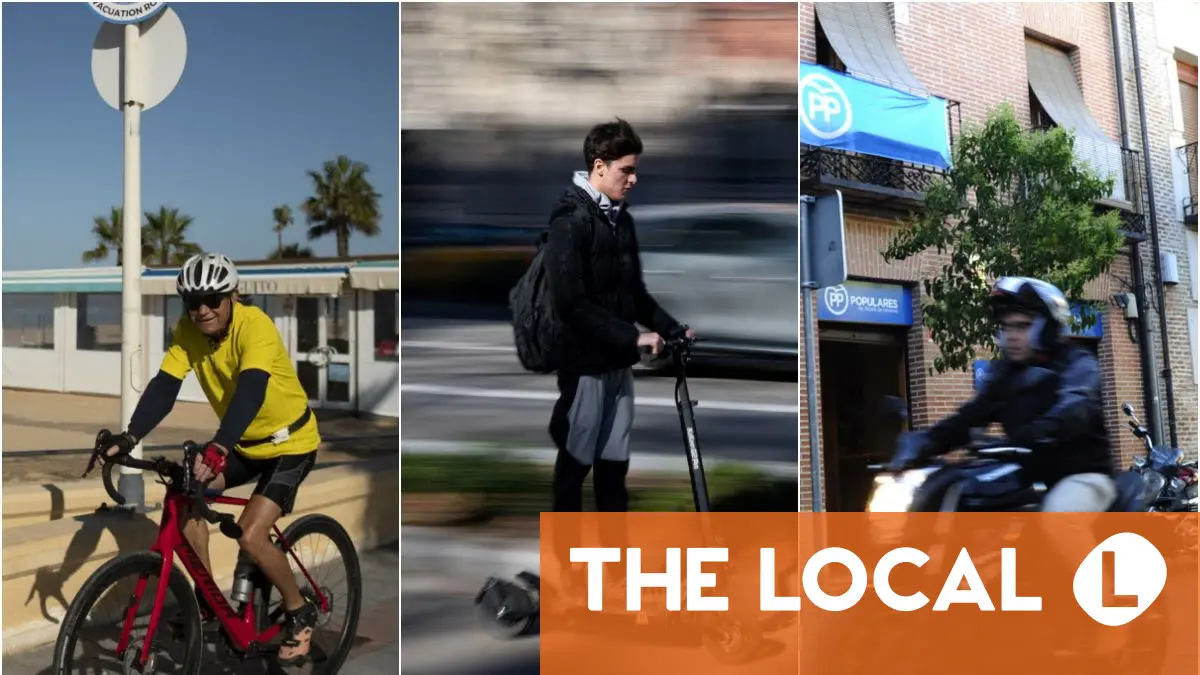
New Traffic Rules in Spain for 2026: Key Changes for All Road Users
Spain’s Cabinet approved a major overhaul of the General Traffic Regulations on June 23, mandating stricter safety requirements for cyclists, e-scooter riders, and motorcyclists. According to government spokesperson Elma Saiz, the changes pivot national policy away from a car-centric model toward prioritizing vulnerable road users and urban dwellers, with most new rules taking effect on October 1, 2026.
New Safety Mandates for Cyclists
Cyclists must now wear protective helmets on all secondary roads, including those used for professional delivery or work activities, according to the updated regulations. Failure to comply will result in a €200 fine. The government also mandates that cyclists ride in the center of the lane in urban areas to increase visibility to motorists.
Drivers overtaking cyclists on secondary roads face new, stricter requirements. They must reduce their speed by at least 20 km/h below the posted limit. On multi-lane roads, drivers are required to change lanes entirely to maintain a 1.5-meter buffer. In urban environments, a five-meter safety distance must be maintained, according to the Cabinet’s announcement.
E-Scooter and Personal Mobility Vehicle Rules
The minimum legal age to operate an electric scooter or similar personal mobility device is now 15 years. Riders are required to wear a helmet and use reflective gear—such as a vest—during night hours or low-visibility conditions. Those using these devices for work must wear reflective equipment at all times, regardless of weather or time of day.
Additional requirements include keeping lights active at all times while in operation. While these devices are now permitted to circulate outside city limits on paths inaccessible to motor vehicles, non-compliance with safety gear regulations carries a €200 penalty.
Updated Regulations for Motorcyclists
Motorcyclists and their passengers must now wear protective gloves on secondary and intercity roads, though this requirement does not currently apply to urban areas. Closed footwear is mandatory on all road types to curb the practice of riding in flip-flops. Violating these gear requirements will result in a €200 fine.
Other changes include:
- Helmet Standards: Helmets must be officially approved (homologados) rather than just certified, with this specific rule coming into force on October 1, 2027.
- Shoulder Access: Motorcycles may travel on the right shoulder during traffic congestion at speeds not exceeding 30 km/h, provided the section is appropriately signposted.
- Reflective Gear: Workers using motorcycles are mandated to wear reflective vests at all times.
Broader Changes to Spanish Road Traffic Laws
The government has eliminated seat belt exemptions for taxi drivers, goods vehicle operators, and driving school instructors, who must now remain buckled at all times. When overtaking stopped vehicles, drivers must leave a 1.5-meter lateral gap and reduce speed by at least 20 km/h below the limit.

Emergency response protocols have also been updated. During traffic jams, drivers must move to the side of the road to create a clear central corridor for emergency vehicles. On motorways blocked by snow, overtaking is prohibited, and traffic is restricted to the right lane to prioritize snowploughs and emergency services.
Frequently Asked Questions
When do these new traffic rules start?
Most regulations come into force on October 1, 2026. The requirement for officially approved (homologado) motorcycle helmets begins on October 1, 2027.
Are motorhomes affected by the new rules?
Yes. Motorhome parking is now restricted; users cannot extend parts beyond the vehicle’s perimeter, must park solely on tyres, and are prohibited from spilling wastewater or chemicals at parking spots.
What is the new rule for taxi drivers?
Taxi drivers are no longer exempt from wearing seat belts and must use them at all times while the vehicle is in motion.
Have questions about how these changes affect your daily commute? Leave a comment below or subscribe to our newsletter for the latest updates on Spanish transport legislation.