
New Triple-Action Retatrutide Injection Shows Promise for Type 2 Diabetes and Weight Loss
A new triple-action injectable medication, retatrutide, has shown the ability to significantly lower blood sugar and reduce body weight in adults with type 2 diabetes. According to phase 3 trial results published in the Lancet, patients using the drug lost more than four times as much weight as those on a placebo over 40 weeks, while also achieving double the reduction in long-term blood sugar levels.
How the Triple-Action Mechanism Works
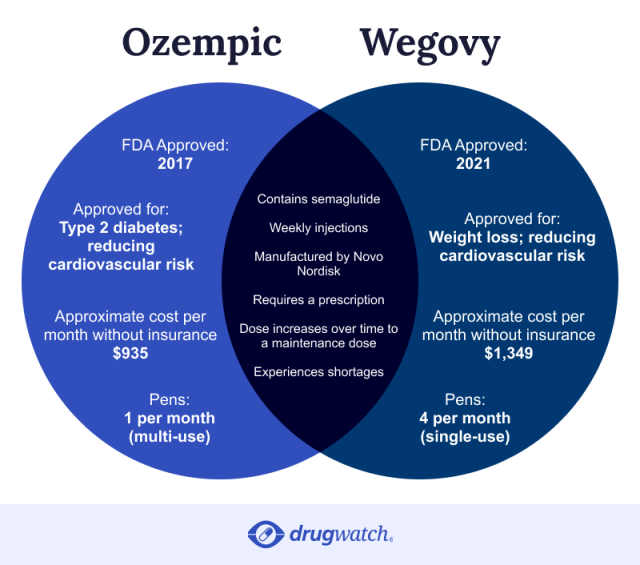
Unlike existing diabetes treatments that target one or two pathways, retatrutide mimics three distinct gut hormones: GLP-1, GIP, and glucagon. While medications like Ozempic and Wegovy primarily focus on the GLP-1 pathway to suppress appetite, and Mounjaro combines GLP-1 and GIP to manage blood sugar, retatrutide also engages the glucagon receptor. This additional engagement is intended to increase energy expenditure in the body.

Did You Know? The trial involved 930 adults with type 2 diabetes who were not previously taking diabetes medication and had a BMI of at least 23.
Clinical Trial Results and Health Outcomes
In the study, participants were randomly assigned to receive either a placebo or 4mg, 9mg, or 12mg doses of retatrutide. Over the 40-week period, those on the medication saw an average drop in HbA1c of 1.7 to 1.9 percentage points, compared to a 0.8 drop for the placebo group. Weight loss results were similarly significant, with participants on the drug losing between 11.5% and 15.3% of their body weight, versus 2.6% for those in the placebo group. Beyond weight and blood sugar, researchers noted improvements in cholesterol and blood pressure levels.
Expert Insight: While these findings are promising, they highlight a complex trade-off in diabetes care. Patients must balance the potential for significant clinical improvements against the need for ongoing nutritional support and muscle mass preservation. The absence of head-to-head trials against existing therapies like semaglutide or tirzepatide means we cannot yet determine if this drug is superior to current standards of care.
Future Directions and Considerations
While the results are encouraging, researchers emphasize that this medication is not a “silver bullet.” Further clinical trials are currently underway to better understand the long-term effects of the drug. Future research is expected to clarify how retatrutide compares to treatments currently available on the NHS. For now, experts stress that the ultimate goal remains the prevention of diabetes, rather than relying solely on pharmacological interventions.
Frequently Asked Questions
How does retatrutide differ from other diabetes medications?
Unlike Ozempic and Wegovy, which target the GLP-1 pathway, or Mounjaro, which uses GLP-1 and GIP, retatrutide also engages the glucagon receptor to help increase energy expenditure.
What were the most common side effects reported in the trial?
For most participants, side effects were mild to moderate and eased with time, with gastrointestinal symptoms being the most commonly reported.
Is it confirmed that retatrutide is better than existing treatments?
No. Because the study compared the drug to a placebo rather than other existing therapies, direct head-to-head trials are required to determine if it is superior, equivalent, or inferior to current options.
Given the potential for significant weight and blood sugar management, what role do you think such triple-action medications will play in the future of metabolic health?