

Next-Gen Weight Loss: Retatrutide, Oral GLP-1s, and New Breakthroughs
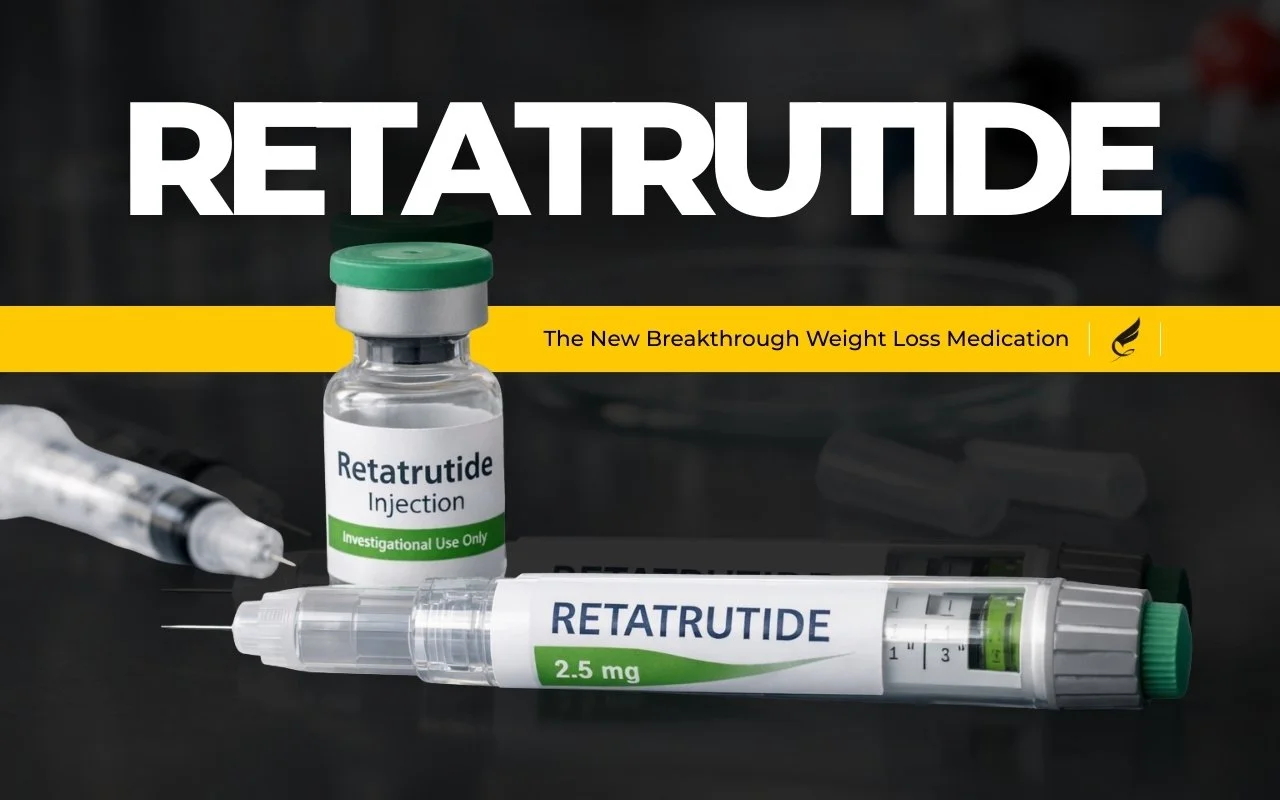
Retatrutide, a triple-agonist weight loss medication, achieved an average weight loss of 28.3% among patients over 80 weeks in the TRIUMPH-1 Phase III study. The drug targets GIP, GLP-1, and glucagon receptors, with regulatory approval expected between late 2026 and early 2027, according to clinical trial data.
How does Retatrutide compare to existing weight loss treatments?
The TRIUMPH-1 study found that patients receiving a 12 mg dose of Retatrutide lost an average of 28.3% of their body weight after 80 weeks. For those with a BMI of 35 or higher, a follow-up study showed weight loss increasing to 30.3% after 104 weeks. More than 25% of these participants lost at least 35% of their weight.
Researchers noted gastrointestinal issues as the most common side effect. They also observed new instances of urinary tract infections during the trials.
Why is the industry shifting from injections to oral tablets?
Novo Nordisk’s oral Semaglutide has seen over three million prescriptions in the U.S. since the start of the year. Data shows more than 80% of those prescriptions went to patients who had never used GLP-1 therapy before.
The UK approved the oral version of Wegovy in June 2026. Professor Naveed Sattar of the University of Glasgow described the move as an “important addition” to available treatment options.
Competition is increasing with “small molecule” drugs like Orforglipron, which doesn’t require refrigeration. In a 52-week Phase 3 study for Type 2 diabetes, Orforglipron reduced long-term blood sugar levels by up to 1.91%, compared to 1.47% for oral Semaglutide. However, Orforglipron had a higher gastrointestinal side effect rate of 59%, while Semaglutide ranged from 37% to 45%.
What other health conditions could GLP-1 drugs treat?
Japan approved Semaglutide in June 2026 for treating metabolic dysfunction-associated steatohepatitis (MASH) without cirrhosis. This followed the ESSENCE study, where 62.9% of patients achieved MASH resolution.
Research from Rutgers University suggests GLP-1 users may have a weaker link between impulsivity and violence than non-users. Additionally, a long-term study from the National Institutes of Health found that GLP-1 agonists reduced Alzheimer’s risk by 33%, while SGLT2 inhibitors reduced it by 43%.
How is production expanding to meet demand?
Manufacturers are investing heavily in infrastructure. Novo Nordisk opened a new site in the Czech Republic in June 2026, involving a $200 million purchase price and $168 million in modernization costs. The company is also investing hundreds of millions of dollars in plants in Tianjin, China.
What are the non-drug alternatives for weight loss?
The RESET procedure was used for the first time in the EU at the Klinikum Mutterhaus in Trier in June 2026. This intervention involves endoscopically implanting a plastic tube in the small intestine for a maximum of nine months.
Data from approximately 1,300 patients showed an average weight loss of nearly 19%. Most patients maintained these results three years after the implant was removed.
What may happen next in weight management?
If the current trend continues, the market could see a further shift toward non-refrigerated oral medications. Retatrutide may become a primary option for severe obesity if its late 2026 or early 2027 approval proceeds. Additionally, the use of GLP-1 agonists could expand into neurological and behavioral health treatments based on current research trends.
Frequently Asked Questions
What is the RESET procedure?
It is an interventional method where a plastic tube is implanted endoscopically in the small intestine for up to nine months, resulting in an average weight loss of nearly 19% according to data from 1,300 patients.
How effective is Retatrutide for people with high BMIs?
In a follow-up study of patients with a BMI of 35 or higher, Retatrutide led to an average weight loss of 30.3% after 104 weeks.
What were the results of the ESSENCE study?
The study found that 62.9% of patients achieved resolution of metabolic dysfunction-associated steatohepatitis (MASH), leading to the drug’s approval in Japan in June 2026.
Do you think oral medications will completely replace injectable weight loss treatments?